


Pressure is mounting to have Areas of Natural Constraint (ANC) payments re-introduced in Northern Ireland.
Leading this campaign is Stormont’s Agriculture, Environment and Rural Affairs (AERA) committee vice chair, Declan McAleer.
To this end, he has introduced a draft ANC Bill at the Northern Ireland Assembly.

The Sinn Féin politician indicated that farmers, rural groups and industry stakeholders have highlighted the need for the scheme to his party.
He added: “One message stands out above all others: reinstating payments for Areas of Natural Constraint is essential.
”That is precisely what my Bill seeks to do, restore ANC payments for our hard-pressed farmers.”
He went on to say that as the Department of Agriculture, Environment and Rural Affairs has not included an ANC payment as part of the new Sustainable Agriculture Policy, “the only option was to secure the restoration of the measure through a Private Members Bill”.
”The evidence is clear. Over the past decade, output from ANC areas has been in steady decline,” McAleer said.
“If this trend continues unchecked, the consequences will stretch far beyond upland farms and will ultimately threaten the long-term sustainability of the red meat sector across the north.”
According to McAleer, figures from the 2025 agricultural census paint a stark picture.
The number of beef cattle has fallen by 25% over the past 20 years, with a particularly sharp decline recorded since 2018/2019.
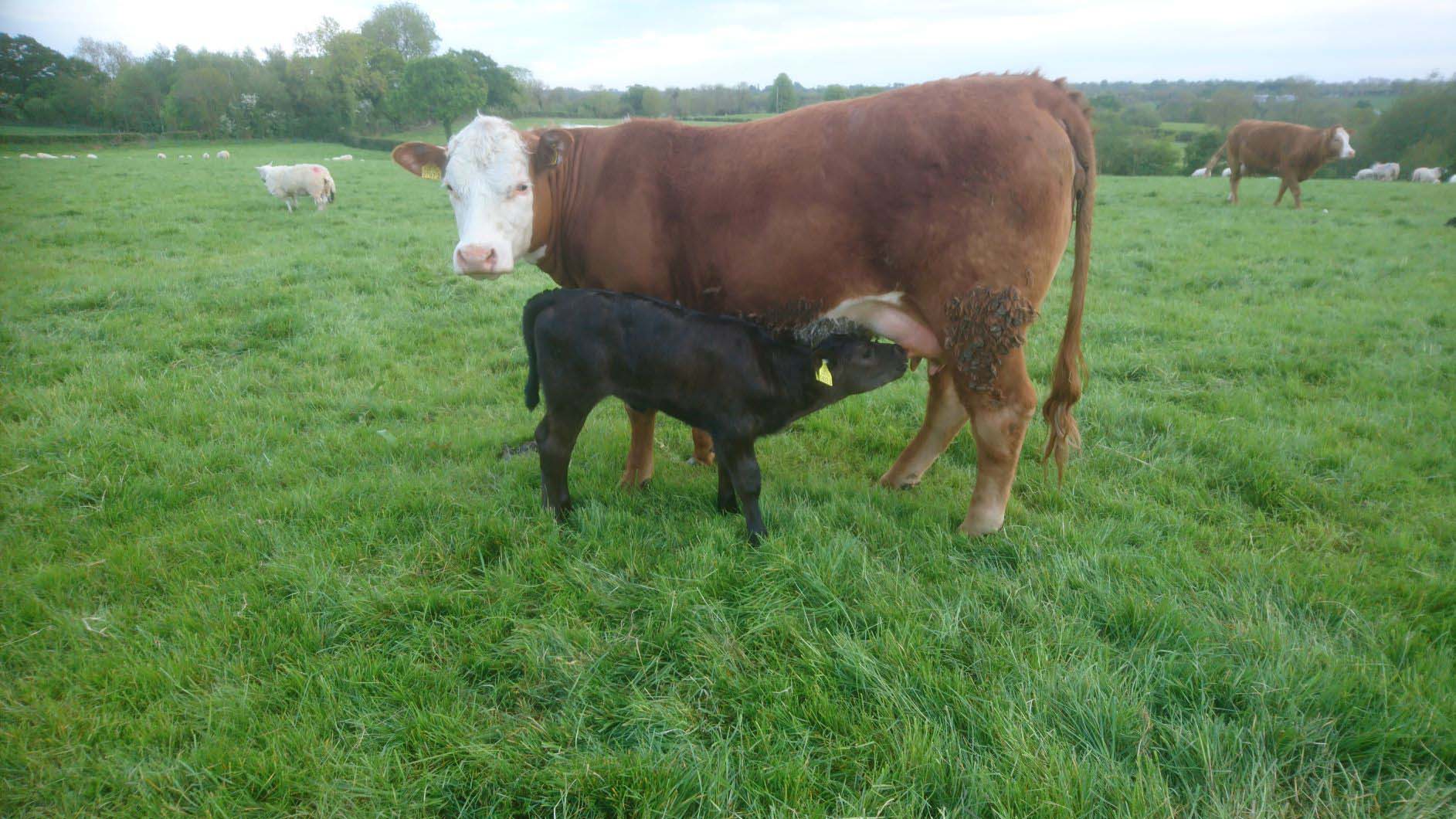
As a consequence, Northern Ireland now has the lowest beef cattle numbers in 55 years.
The Sinn Féin representative continued: “During consultation on the ANC Bill, many stakeholders pointed to the ending of the ANC payment as a contributing factor to this worrying trend.
”The importance of ANC areas to the wider agricultural economy cannot be overstated.
“Of the north’s 213,000 beef cattle, almost 100,000 are located in severely disadvantaged areas, now classified as ANC land, while almost 64,000 are in disadvantaged areas.
“In total, around three-quarters of the region’s essential breeding beef stock are in Less Favoured Areas.
“The same is true for sheep farming. Of the north’s 1.8 million sheep, over one million are in ANC areas, with a further 400,000 in disadvantaged areas.”
McAleer makes the point that these flocks and herds are critical breeding stock that provide a vital supply chain for lowland farmers who rely on upland producers to supply cattle and lambs for finishing.
”Recent livestock trends underline the scale of the challenge,” he explained.
“Over the past year alone, the total number of beef cattle has decreased by 5% and sheep numbers have fallen by 7%.
“At the same time, pigs have increased by 8%, poultry by 9% and 2%.
“The sectors that dominate in marginal land, beef and sheep, are precisely those experiencing the greatest decline.”
The AERA committee vice chair said there are also “compelling environmental and ecological reasons” to support farming in upland areas.
“Abandoned and overgrown land does not support biodiversity and increases the risk of wildfires during dry spells.”
McAleer added that the ANC payments will have benefits beyond agriculture.
“Without targeted support, the decline we are already witnessing will accelerate,” he said.
“Breeding herds and flocks will continue to shrink, supply chains will weaken and the wider red meat industry will feel the consequences.
”Ultimately, supporting ANC farmers is about more than agriculture.
“It is about safeguarding rural livelihoods, the environment, protecting the supply chains that underpin our food system and ensuring that the next generation of farmers can continue the work that has sustained these landscapes for generations.”
