Angus Youth Challenge: The teachers’ perspective

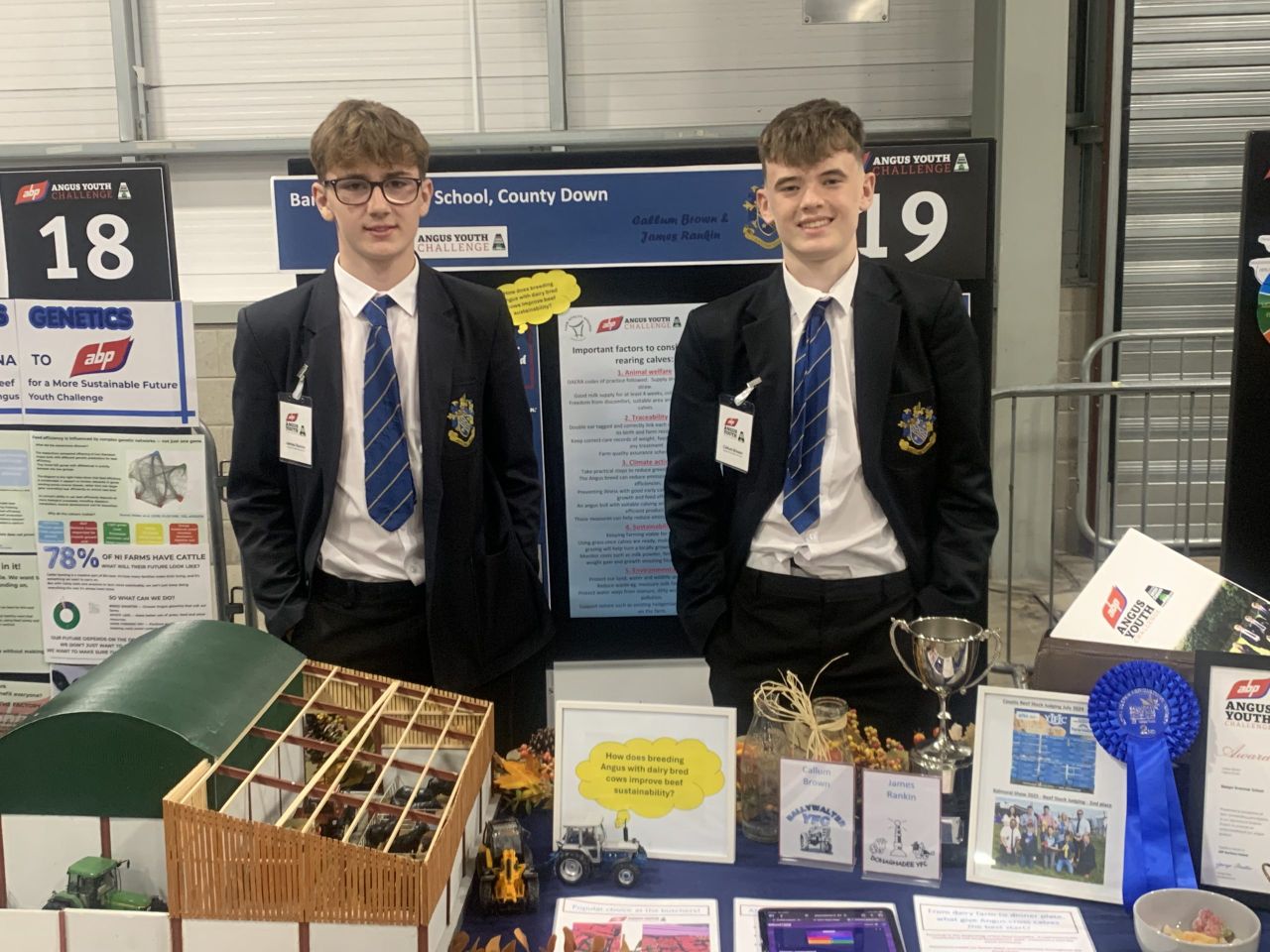
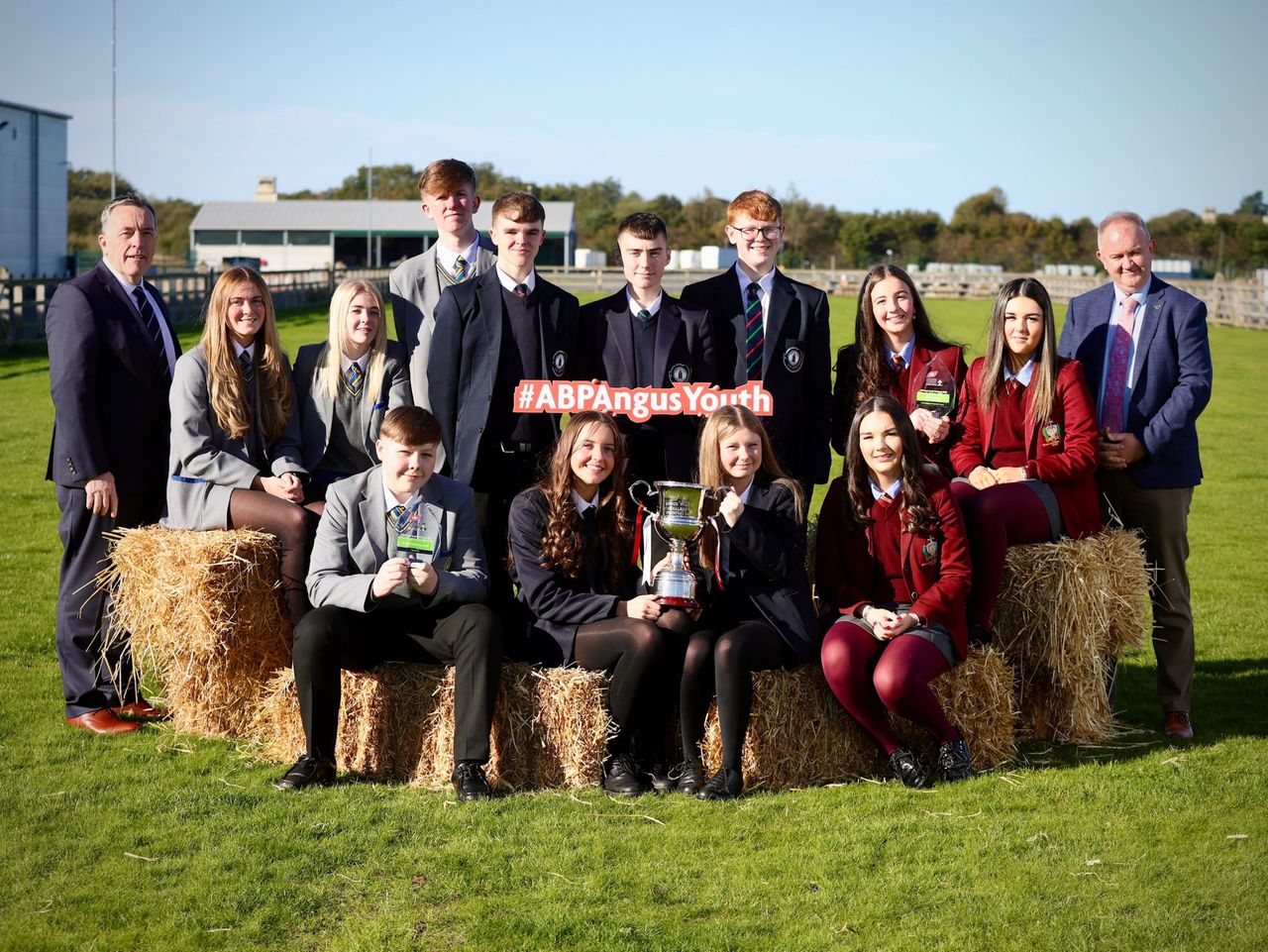
The ABP Angus Youth Challenge has broken new ground in galvanising the interest of teachers and students in schools across Northern Ireland.
And this momentum looks set to grow.
But it is the impetus of teachers that has, in many ways, created this success story. So why should this be the case?
Teachers involved with the 2026 cohort of finalists have very clear opinions on this issue.
Clare McIlvenny, from St. Patrick’s College, Dungannon, Co. Tyrone take up this point:
“The competition has helped to significantly improve the presentation and communication skills of all the team members.
“It has also helped to improve their levels of self-confidence, which is critically important as they move forward with their careers."
Conor McNeill, from Annaclone in Co. Down, teaches at Blessed Trinity College in Belfast.
He agrees, adding: “The school is based in North Belfast.
"None of the pupils have a farming background. So, getting involved with the competition required the team members to step out of their comfort zone. And it has worked."
McNeill explained that the inspiration behind the school entering the event came from a visit to the Balmoral Show.
He added: “We keep sheep at home. And I took the opportunity of bringing a couple of lambs up to the school last year, simply to give the students of what practical farming is all about.
“Tt was very easy to see those that were really interested in the farming way of life."
Fiona O’Neill, the supervising teacher for the team competing from St. Patrick’s High School, Keady, Co. Armagh fully agrees with these sentiments.
She said: “The competition has been a great opportunity for our pupils to take their learning beyond the classroom.
"One of the biggest benefits has been seeing their confidence grow, particularly with public speaking and sharing their ideas with others.
"They’ve worked together and learned more about the important role women play in agriculture in Northern Ireland.
“From a school’s point of view, it’s lovely to see pupils get involved in something that matters to their community and realise that their voices can make a difference.”
These comments reflect the fact that the youth challenge is much more than a ‘farming competition’ attracting students.
In reality, it is a vehicle allowing those taking part to develop new skill sets that are almost impossible to teach in a standard classroom setting.
Teachers and students have recognised this fact in equal reality, which is why schools from both rural and urban settings are keen to take part.
No other initiative of its kind has managed to attract such a diverse range of entrants.
And once in the schools, the core themes associated with the youth challenge are communicated out to local communities courtesy of the activities undertaken by the competing teams and their use of social media.