Bluetongue cases up to almost 600 in UK

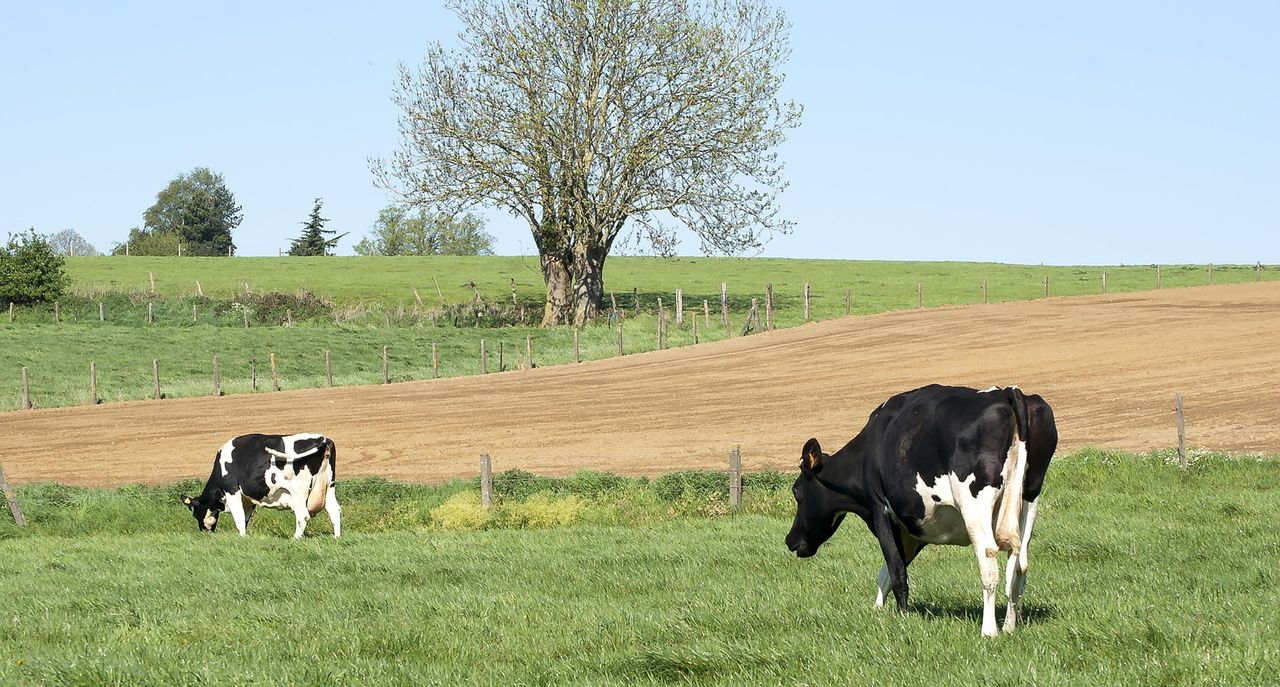
Cases of bluetongue in the UK have risen to 593 so far this season, according to the Department for Environment, Food and Rural Affairs (Defra).
The first case of bluetongue virus serotype 3 (BTV-3) in the current season was confirmed on July 10.
A case is defined as a premises on which at least one bluetongue positive animal has been diagnosed.
The cases recorded in the UK as of Sunday (August 23) are as follows:
- 556 cases in England;
- 29 cases in Wales;
- 8 cases in Scotland;
- 0 cases in Northern Ireland.
There have been no cases of bluetongue serotype 8 (BTV-8) in the 2026/2027 bluetongue season.
Defra funds the cost of diagnostic testing for up to three affected animals, where animals with suspect clinical signs are reported.
New cases
Latest updates issued by Defra show 29 new cases of BTV-3 confirmed in England on Saturday (August 22).
These include cases in Cheshire, Devon, Lancashire, Leicestershire, Shropshire, Somerset, Staffordshire, West Midlands, and West Yorkshire.
Of these, 26 cases involved sheep, two involved cattle and one was a mixed farm affecting both cattle and sheep.
Eight new cases of BTV-3 were confirmed in Wales on August 22.
Five cases were in sheep and three were in cattle.
All the premises were tested following reports of suspicious clinical signs.
Ongoing investigations
There are currently 2,428 potential cases of bluetongue under investigation in Great Britain.
These are premises that have reported suspicious clinical signs and are under investigation.
According to Defra, the risk of bluetongue virus incursion is medium, though via airborne routes is low.
This includes serotypes that are not currently circulating in England.
The midges that spread bluetongue became active again on March 31, 2026, Defra said.
Temperatures are consistently high enough in parts of the UK and nearby continental Europe for the virus to develop inside the midges.
According to Defra, this means onward transmission is now occurring and there is increased risk of transmission from midges blown across the French Channel.
Animals can also get infected through germinal products (semen, ova, or embryos).