Fertiliser sales pick up with silage season in full swing - IFA

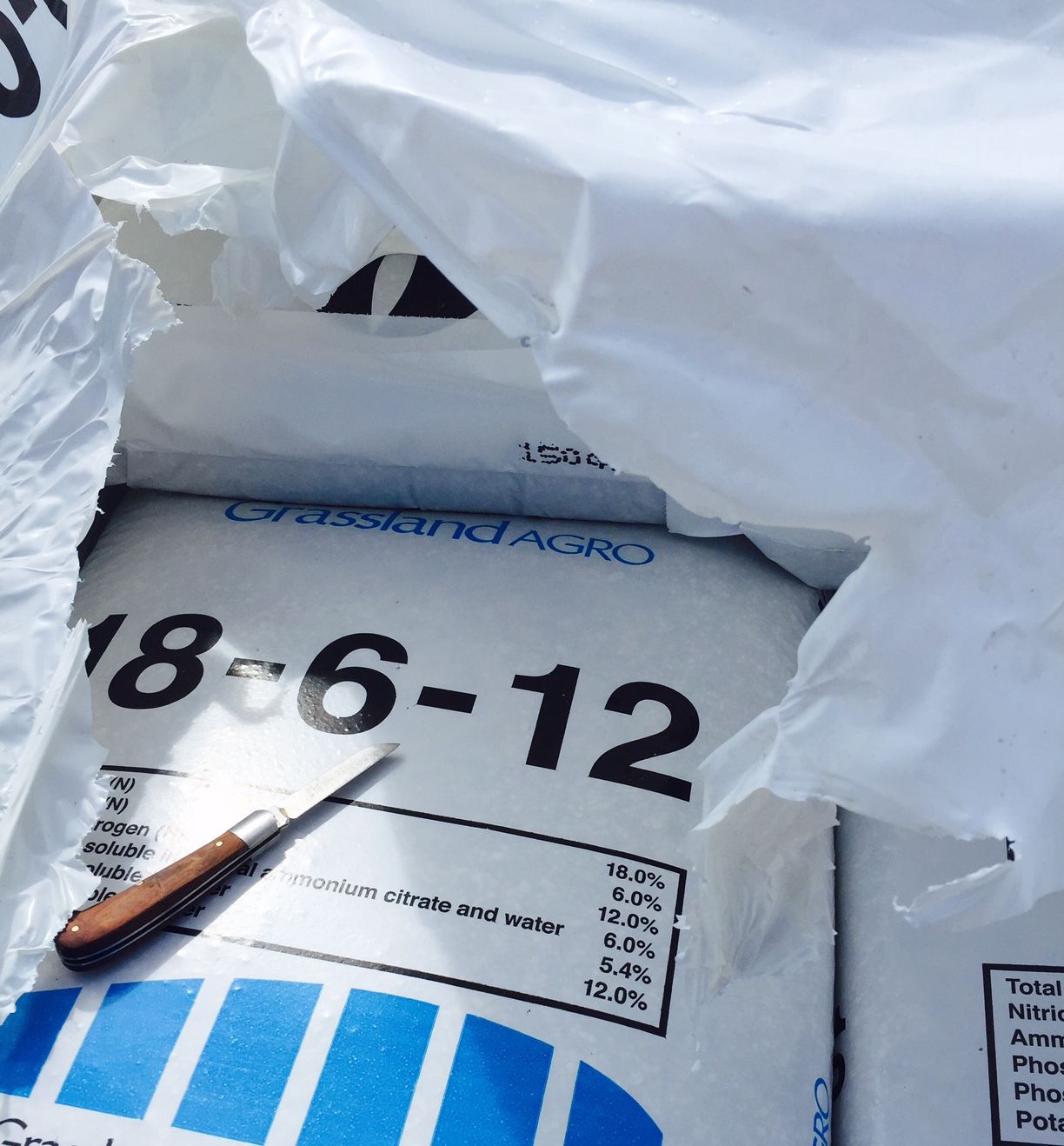
Fertiliser sales volumes have picked up a pace recently with the silage season now in full swing, according to the IFA's latest update on the Fertiliser market.
In terms of price the IFA says the North East remains the most competitive region with purchasing groups and individual volume buyers being quoted close to €290/t for big bag CAN delivered farm and around €400/t for cut and pasture swards.
It says Merchants with limited stocks on hand are taking advantage of the opportunity to source cheaper fertiliser as wholesale prices continue to fall.
The IFA is warning farmers to be vigilant as it says some merchants will attempt to wash out high priced stock on unsuspecting buyers.
| Region | CAN | 18-6-12 | 27-2.5-5 | 24-2.5-10 | |
| Big Bag, delivered | Bulk | Big Bag, delivered | Granulated Big bag delivered | Granulated Big bag delivered | |
| Munster | 310– 360 | NA | 415– 455 | 415 – 450 | 420 – 455 |
| Connaught | 315 – 360 | NA | 420 – 460 | 420 – 450 | 428 – 465 |
| South Leinster | 300– 350 | NA | 410– 445 | 400– 445 | 410- 455 |
| North Leinster | 294- 355 | NA | 400- 440 | 394 – 450 | 400 – 460 |
| Ulster | 310 – 360 | NA | 410- 445 | 415 – 455 | 415 – 460 |
Grassland specialist Cathal McAleer said that, in light of the problems associated with many first cuts this year, farmers must strive to maximise the value of their second cuts.
“Getting the correct amount of fertiliser sown out as quickly as possible is the first priority,” he said.
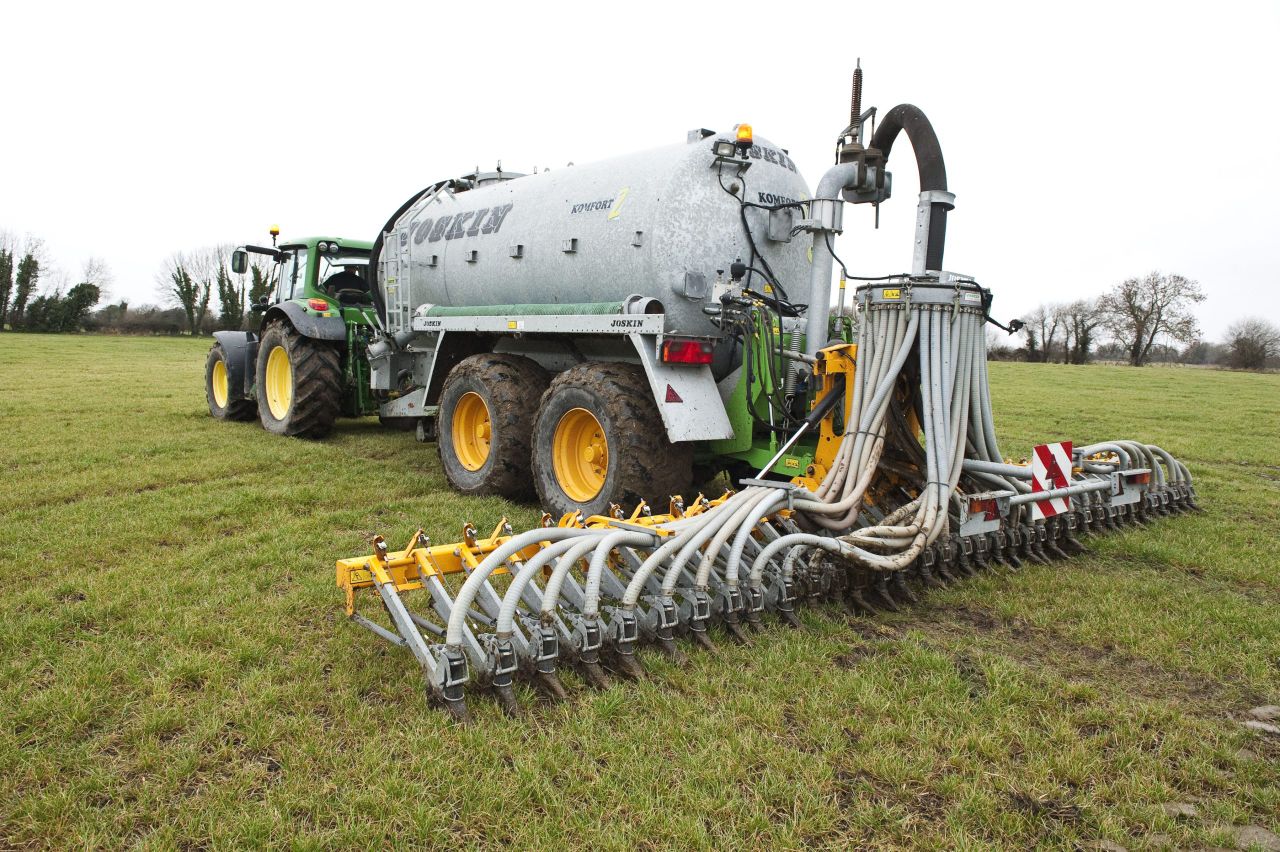
“Swards will require 80 units/ac of nitrogen, 80 units of potash and 25 units of phosphate. Slurry should be spread as soon as possible after the first cut has been taken.
“Applying 2,000 gallons of slurry per care will provide up to 70 units of potash, 20 units of phosphate and 20 units of nitrogen. The remainder of the crop nutrient requirement can be met by sowing bagged fertiliser.”
Teagasc have also advised that diluting slurry with dirty water will increase the efficiency of utilization of N in the slurry when it is applied to silage stubble after first cut silage.
Although dilution will lower the DM and N content of the slurry, it will increase the efficiency of N utilization (lower volatilization losses), Teagasc says.