Forage maize yields of up to 18t/ac projected for mid-Ulster

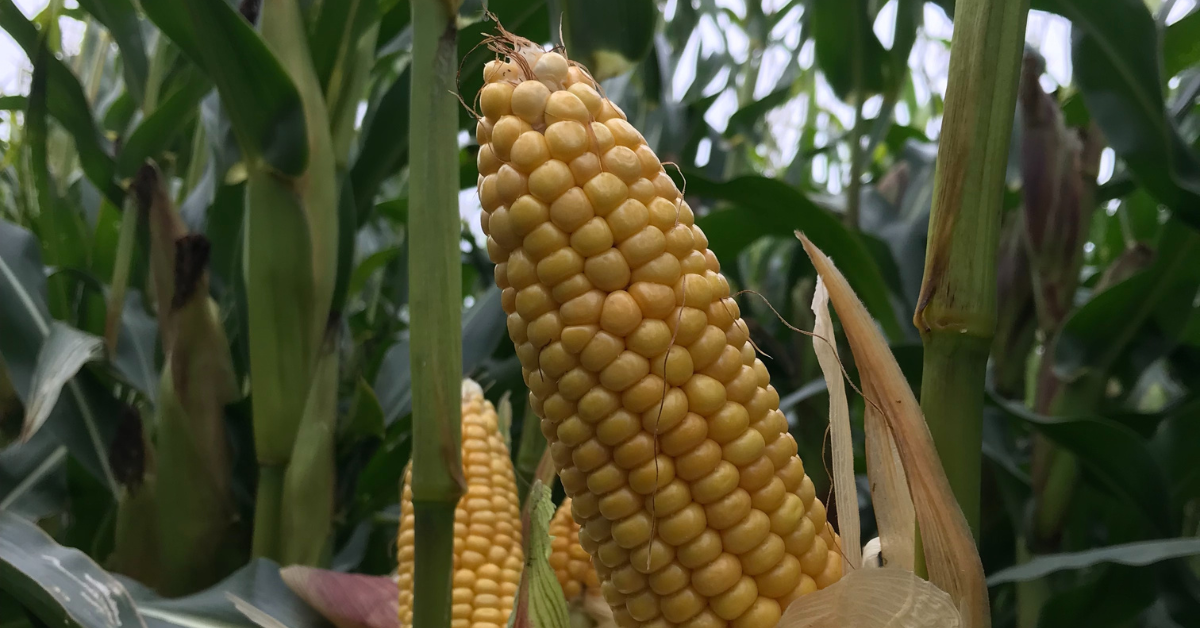
While some forage maize crops have been impacted by heat stress, those in the mid-Ulster area are on track to produce record yields: 18t/ac in some cases.
Fane Valley agronomist, Chris Frazer explained: “Fresh weight yields would normally be in the region of 16t-17t/ac.
“But there’s no doubt that crops growing on heavier soils in the Mid-Ulster area have responded to the tremendous heat generated by the warm and dry conditions over recent weeks.
“Maize crops are also maturing at a faster rate than would normally be the case.
"So we could be looking forward to a September harvest date in a number of cases.”
The 2026 maize planting season in Northern Ireland took place over a six-week period with planting halted because of the cold, wet conditions that characterised the first fortnight of May.
Frazer said: “But even later sown maize crops have responded well to the very warm and dry weather conditions that characterised the summer up to this point.
“And in these cases, we could be looking at a harvest date of well before the end of October.”
Winter barley
Turning to winter barley, the Fane Valley representative confirmed that 2026 yields have been poor.
He commented: “But growers knew this before they got into the combines.
The very wet winter and early spring had a significant impact on both overall yields and grain quality.
“The very odd crop just about reached 4t/ac. Most would have come in at around 3.5t.
"But there are reports of some winter barleys coming in below 3t. It all adds up to a disappointing result for growers.”
According to Frazer, adding to the pressure on the margins generated by winter barley crops in 2026 is the fact that bushel weights are low while straw yields are "nothing to write home about either".
“On the up side, moisture levels averaged 14%, which meant that growers did not incur drying costs," he said.
Winter wheat
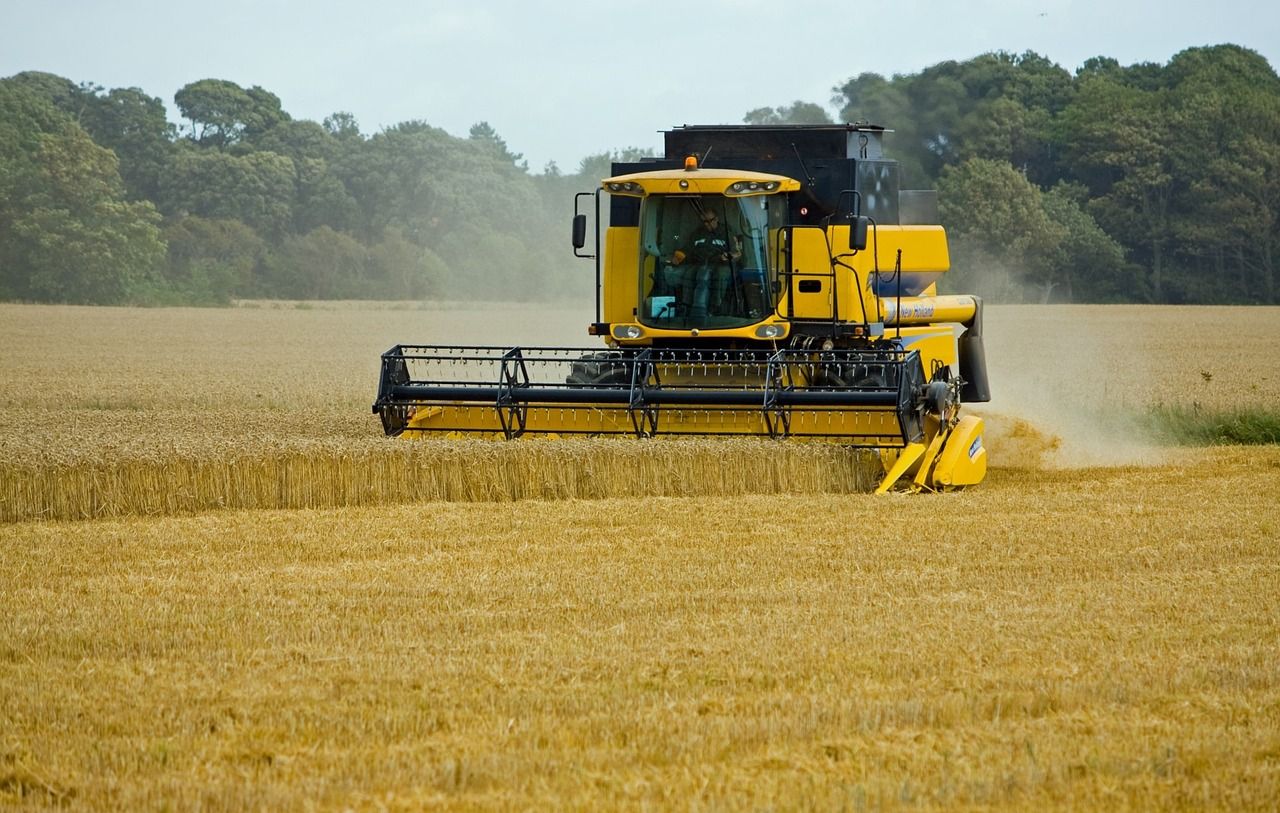
Meanwhile, the winter wheat harvest in Northern Ireland is now underway, albeit on a stop/start basis as growers dodge heavy rain showers.
“A number of growers went in with their combines a few days ago while grains were still at 20% moisture.
“This approach was taken in order to take the sting out of the rain, which farmers knew were coming.
“But, again, early wheat yields are disappointing: some 0.8t/ac below the five-year average," Frazer said.