Lime spreading rates take off ahead of expected rains

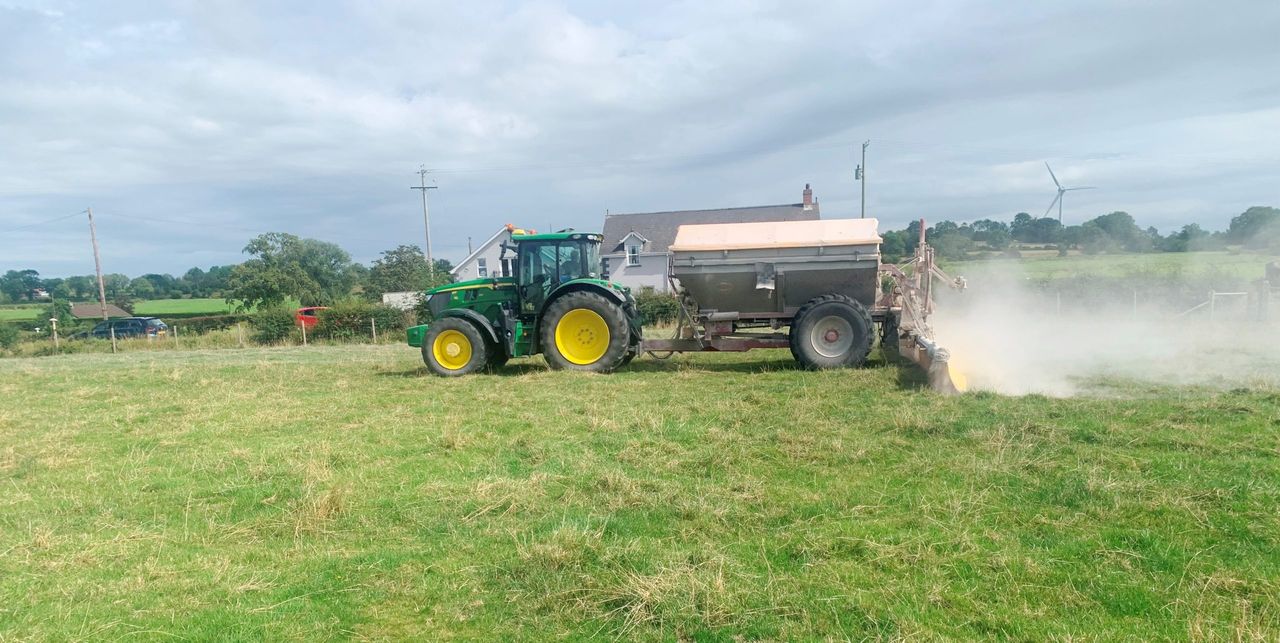
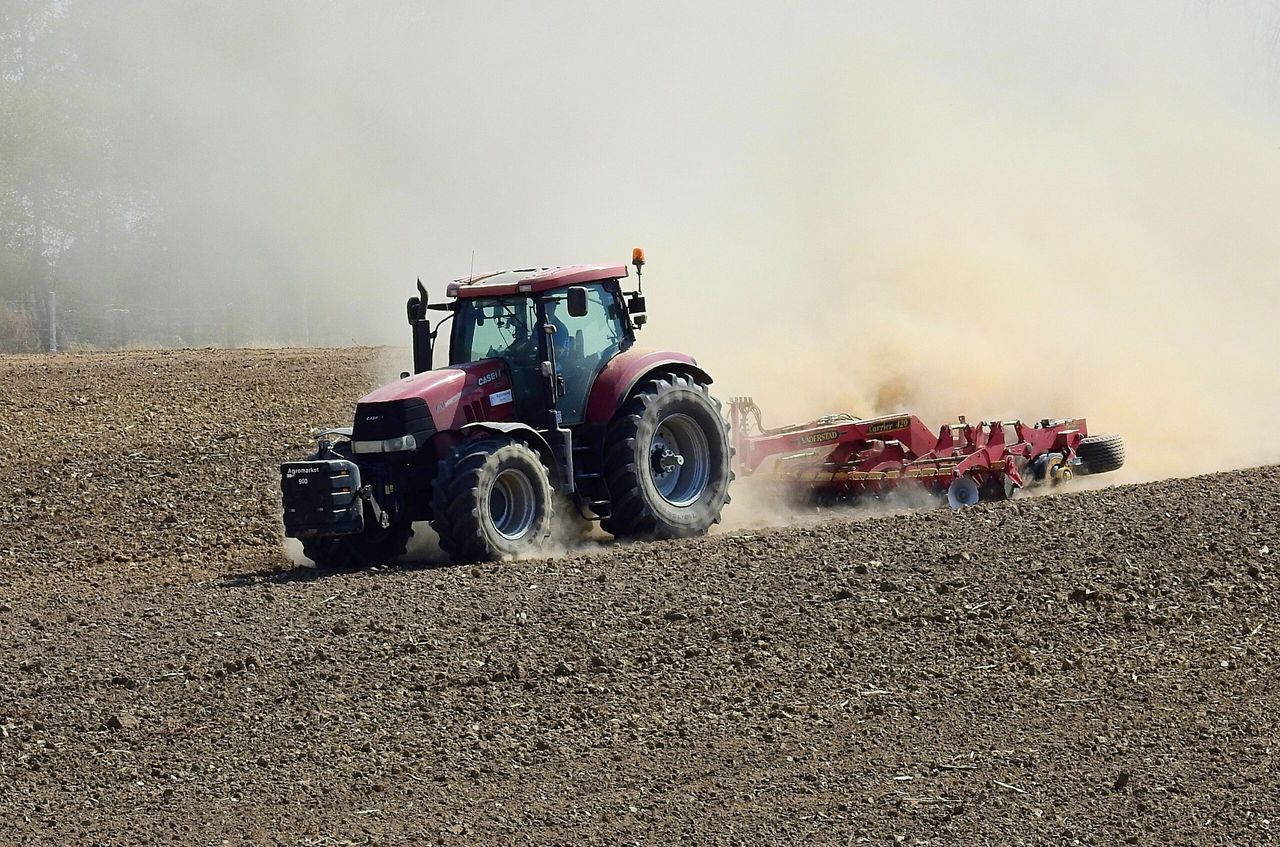
Demand for lime spreading services in Northern Ireland has increased significantly over the past fortnight - a trend that looks set to continue.
This is according to agricultural contractors in the south Co. Antrim area.
Driving this trend are numerous factors. Traditionally, farmers wishing to re-seed grassland areas at this time of the year will push to have lime spread prior to establishing the new sward.
However, other matters are currently coming to the fore.
Farmers on heavier ground are finding that all areas of their land are now accessible to machinery.
Moreover, grass swards heights are quite low at the present time.
Both of these issues are making the liming of land a much more attractive prospect.
Ground conditions
Another factor weighing on farmers’ minds is the fact that heavy rain is due to fall across many parts of Northern Ireland over the coming days.
While this may well soften ground conditions, the moisture will also help to get applied lime below the surface levels of soils, where it is most needed.
But science is also coming into play, from a liming context.
The vast majority of farmers in Northern Ireland now have their soils tested and analysed, courtesy of a free service made available as part of their participation in the Soil Nutrient Health Scheme (SNHS).
The results generated by the schemes have confirmed the highly acidic nature of grasslands soils across the north.
Based on a application rate of 2t/ac, agricultural contractors are charging an average of £45 plus VAT for every tonne of ground limestone spread.
Fields are sampled and analysed for pH, phosphorus (P), potassium (K), magnesium (Mg), calcium (Ca) and sulphur (S), together with organic matter estimation in tandem with crop-specific lime and fertiliser recommendations.
Soil Nutrient Health Scheme
Meanwhile, the College of Agriculture, Food and Rural Enterprise (CAFRE) has confirmed that training is now available for farmers who have received their SNHS soil analysis results.
The measure will enable landowners to fully utilise the information provided in their soil analysis report, maximising the nutrient potential of their land.
The training programme will also allow participants to take a planned approach to nutrient applications, thereby benefitting their businesses and protect the environment.
SNHS is the largest baseline soil sampling programme of its kind ever undertaken, according to the Agri-Food and Biosciences’ Institute (AFBI), which is delivering the £45m Department of Agriculture Environment and Rural Affairs (DAERA)-funded scheme.
The SNHS will reopen from August 5 to September 7 for final registration.