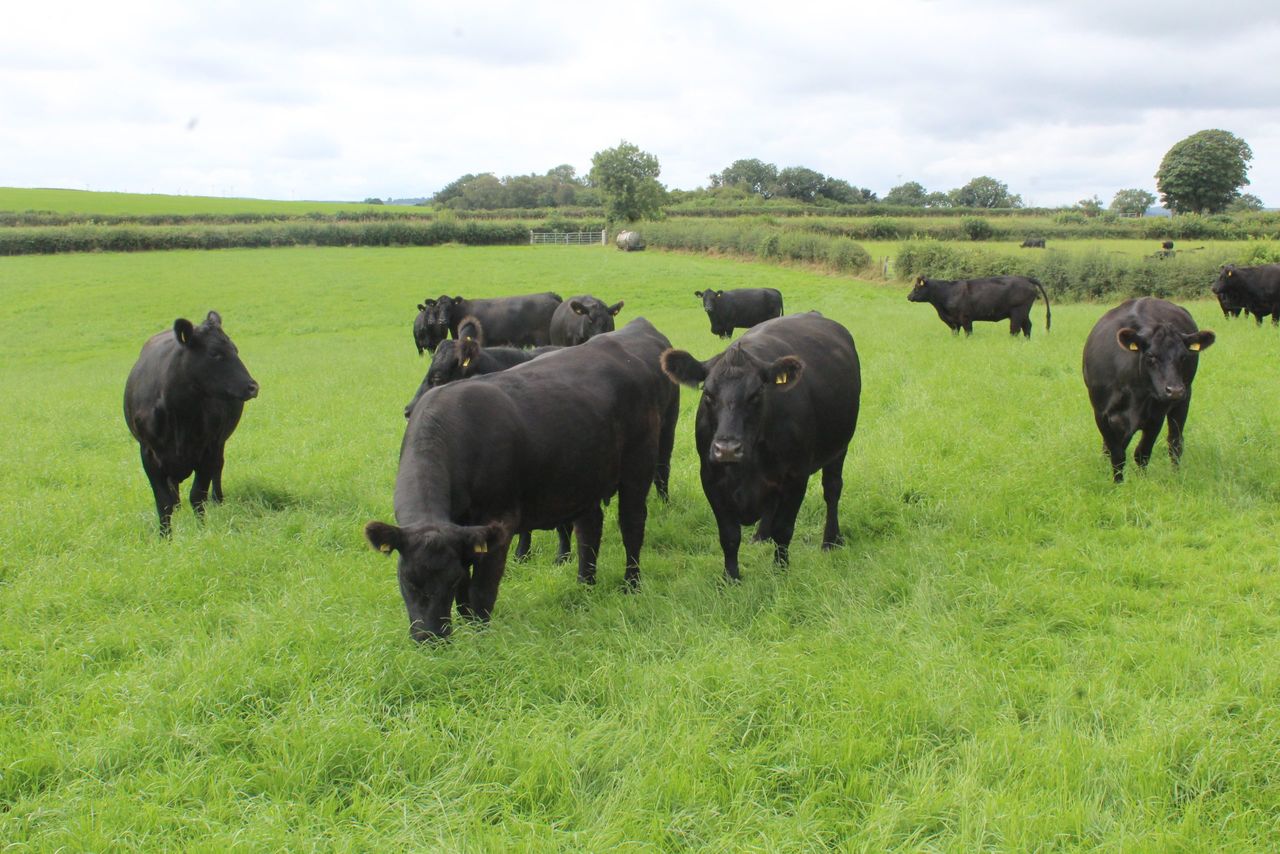
Over 99% of cattle in Northern Ireland now BVD negative

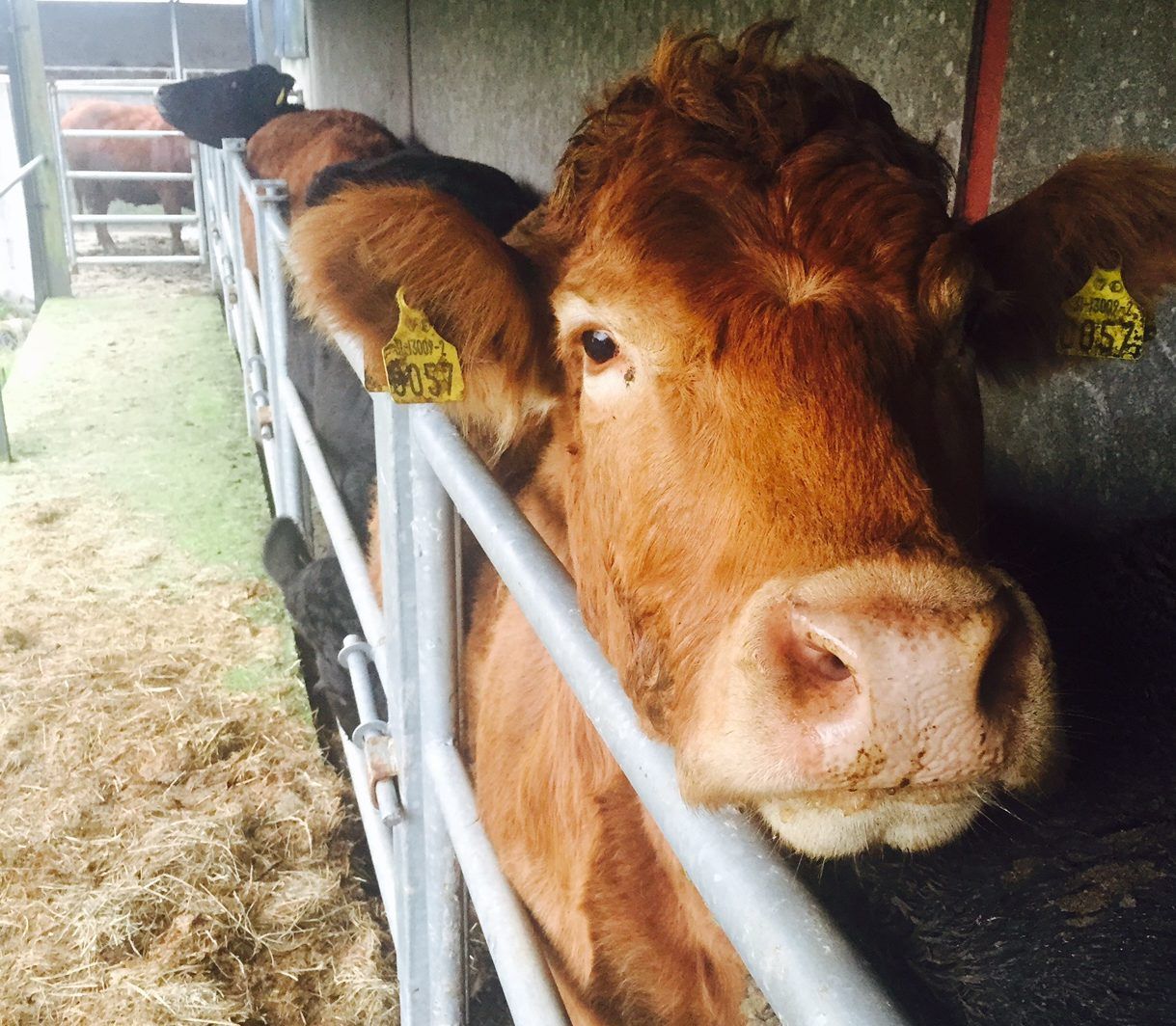
The number of cattle in Northern Ireland that have a negative status for bovine viral diarrhoea (BVD) is now over 99% of the total cattle population for the first time.
The figure of BVD negative cattle has been welcomed as a "milestone" by Animal Health & Welfare Northern Ireland (AHWNI), which said that the high level of disease-free status was achieved through the commitment of farmers to comply with the BVD eradication programme.
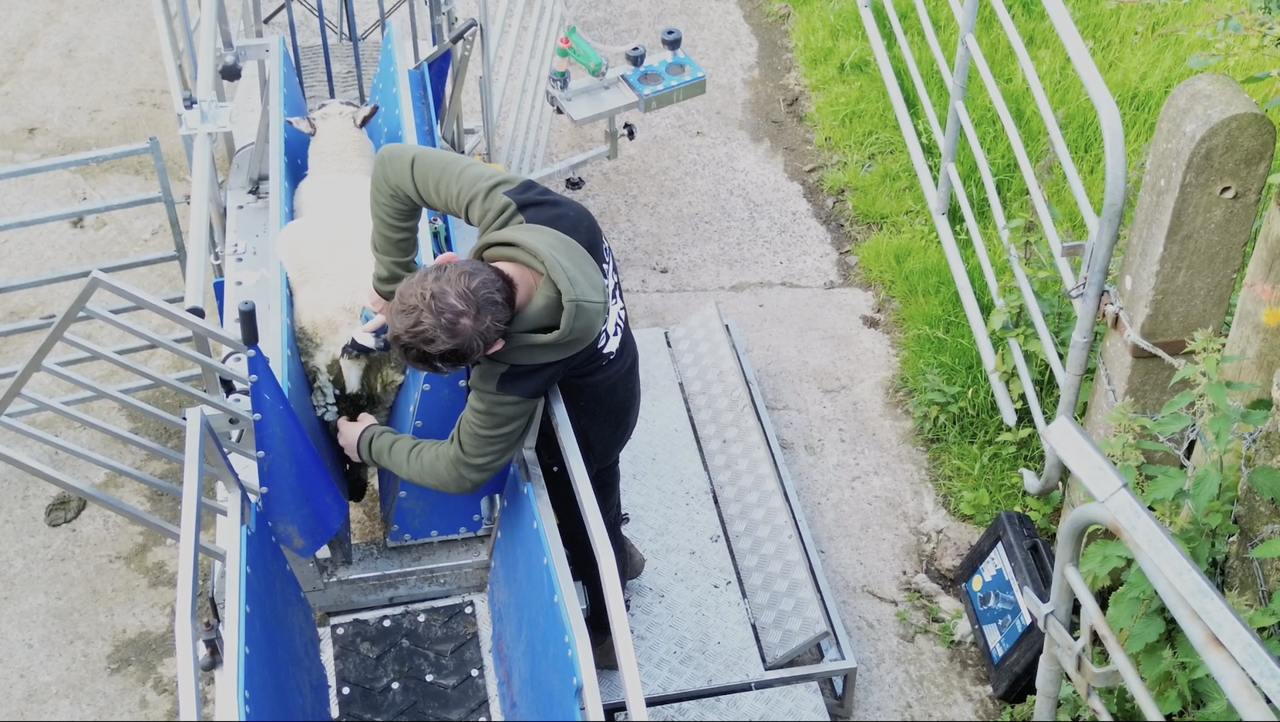
AHWNI, which is the agri-sector cattle and sheep health initiative in Northern Ireland, runs the programme, and noted there are currently less than 7,000 animals with an unknown BVD status.
Under the programme, BVD positive animals were identified in this population of previously untested animals, "showing the importance of keeping testing up to date in a herd".
AHWNI said that any delay in detection of the disease can have a serious effect on a herd if the virus spreads to naive, early-in-calf females, as persistently infected calves will result, and the outbreak and consequential losses will be prolonged.
The agri-sector body said that the aim of the programme is for BVD to be eradicated across Northern Ireland, and to see lower productions costs and reduced use of antibiotic use.
"This new and landmark statistic denotes progress, which AHWNI wishes to see develop further, through stamping out the virus at the farm level."
AHWNI said that, for those herds that have herd-level restrictions due to the presence of BVD infection, the application of restrictions to individual females over 12 months of age can be dealt with in several ways, including the option of blood testing those females.
This is done through an antibody test. A positive result does not mean the animal is infected, but rather that it has been exposed to the virus previously, or has been vaccinated against BVD.
AHWNI said that the restrictions on these females are preventing the movement of possible 'Trojan' animals, thus limiting the spread of the virus into new herds, and protecting the population of cattle that are currently negative for BVD.