UK future grain markets weaken slightly


There has been a slight easing of UK future grain markets, according to the Agricultural and Horticultural Development Board (AHDB).
The week ending Friday, July 31 saw UK feed wheat futures close at £196.50/t, a drop of £3.25/t over the seven-day period.
Global grain markets remained volatile last week but broadly ended down under pressure, according to AHDB.
Prices began the week easing from the previous week's Black Sea-related gains, before being supported on Thursday as renewed attacks on grain infrastructure and shipping heightened concerns over potential disruption to exports from the region.
However, these gains proved short-lived, with global grain futures falling on Friday as traders took profits following strong gains through July.
Market sentiment was also influenced by currency movements and broader supply fundamentals.
Despite the late-week decline, developments in the Black Sea continue to be a key source of uncertainty and volatility for global grain markets.
EU grains
Last Thursday (July 30), the European Commission lowered its 2026/2027 EU grain production forecasts, reflecting a tighter supply outlook.
Soft wheat production is now estimated at 124.4Mt, down from 126.3Mt last month and 8% below the previous season.
As a result, the export projection values for of these grains have been reduced to 29.0Mt, while end-season stocks are expected to fall to 12.9Mt.
The sharpest revision was for maize, with EU production cut to 51.9Mt from 59.9Mt in June, driven by lower plantings and challenging growing conditions.
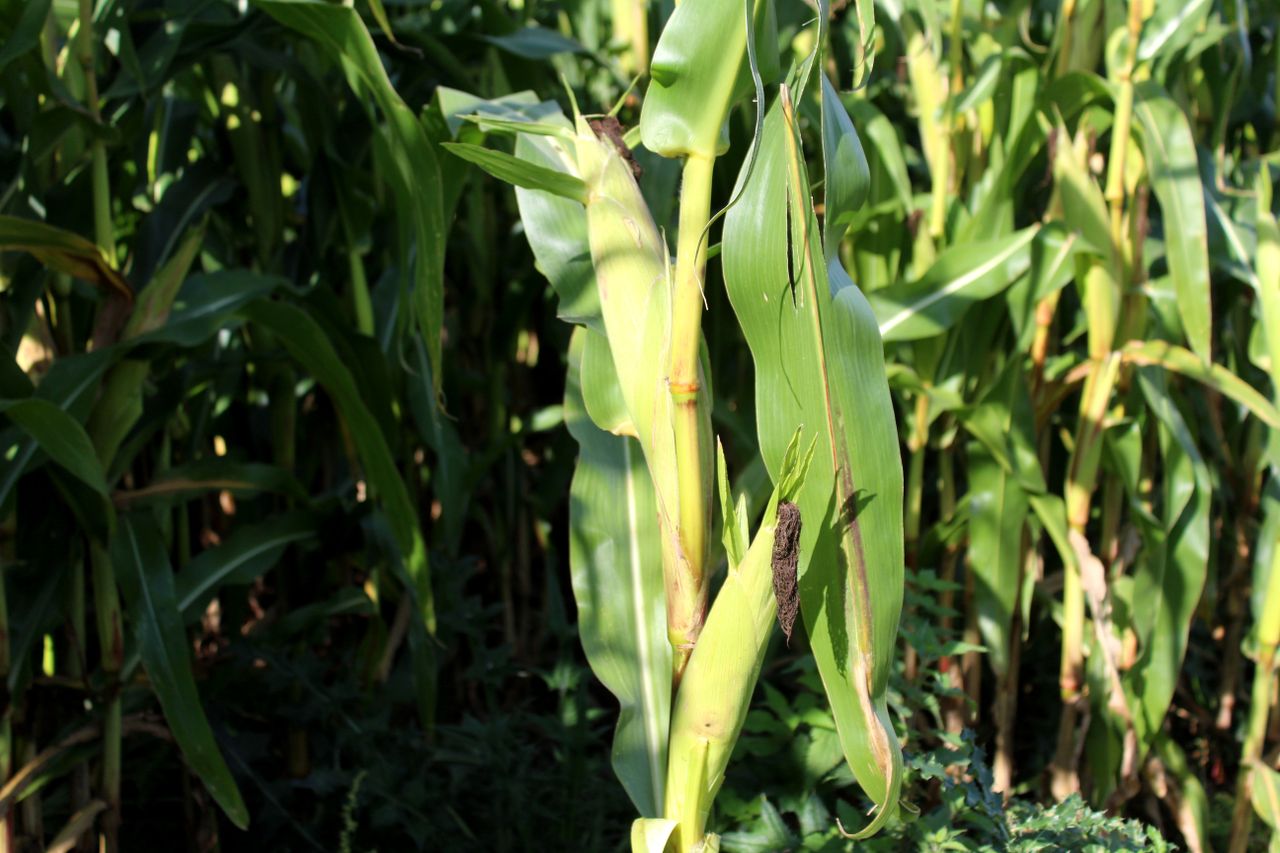
This has increased the EU's projected maize import requirement by 5.0Mt to 24.0Mt. Barley production was also revised lower, now forecast at 51.1Mt.
The cut to the maize crop was not a surprise given French maize crop conditions continued to deteriorate last week, highlighting the impact of challenging growing conditions.
As of July 27, just 34% of the crop was rated in good or excellent condition, down from 38% a week earlier and well below the 69% recorded at the same point last year.
This represents the weakest crop rating since comparable records began in 2011.
Meanwhile, the French harvests of wheat and barley are now complete.
Black Sea
Looking ahead, the key watchpoint for grain markets remains the flow of exports from the Black Sea.
Recent attacks on shipping, port infrastructure and agricultural export facilities have heightened concerns about potential disruption to one of the world's most important grain export regions.
Any further escalation could restrict exports, tighten global supplies, and increase price volatility, making developments in the Black Sea a critical factor for grain market direction in the weeks ahead.