Voluntary AD certification scheme could improve farm businesses

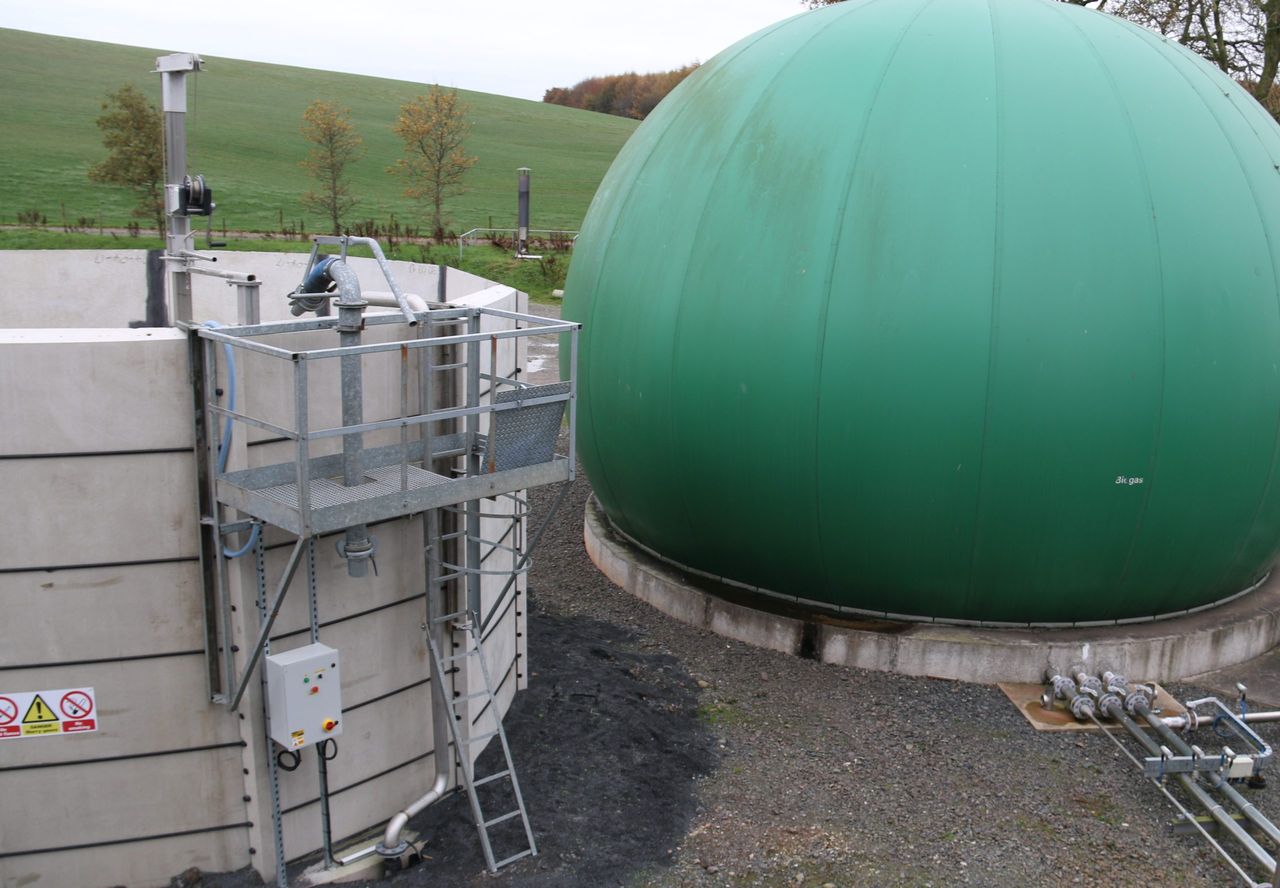
The "most comprehensive scheme of its type" has been launched to certify Anaerobic Digestion (AD) plants in the UK.
The voluntary, industry-led scheme - which is run by trade body the Anaerobic Digestion and Bioresources Association (ADBA) - will support the AD industry in improving plant performance and safety.
It has also been hailed by those who completed the pilot as helping to identify areas where their businesses can improve, enhancing the plant's viability.
Improving standards
The AD Certification Scheme is designed to support operators of AD plants, including those based on farms, to improve their operational, environmental, and health and safety performance - in particular, in terms of energy generation and digestate quality.
ADBA developed the scheme working closely with industry stakeholders including the National Farmers’ Union (NFU) and Country Land and Business Association (CLA) to ensure the scheme is suitable for farmers.

Pilot scheme
The scheme includes detailed assessment criteria that will allow third-party certification bodies to verify the achievement of good practice at AD plants.
The scheme pilot was completed last September, with one on-farm plant, one food waste plant, and one on-site plant for a food manufacturer taking part.
ADBA chief executive Charlotte Morton said: “Investing in an AD plant is a great way for farmers to diversify their income in the context of uncertainty over future support from government post Brexit.
AD offers a treatment option for organic wastes such as manures, slurries, and vegetable off-cuts, producing on-site renewable heat and power, transport fuel for farm vehicles, and nutrient-rich biofertiliser.
"AD crops also give farmers a great option for crop rotation, helping to keep soils healthy and avoid the spread of blackgrass and nematodes.
“ADBA’s new AD Certification Scheme defines good practice and enables on-farm AD plants to be recognised as meeting it. A certification process is essential to ensuring that regulators, insurers and investors have confidence in the scheme, which offers AD operators a range of financial and regulatory benefits."
'Raising confidence and performance'
Jonathan Scurlock, chief adviser on renewable energy and climate change at the NFU, said: “The NFU recognises the unique role that AD can play in generating on-farm energy while helping to improve nutrient and soil management.
"It has been great to see a wide variety of stakeholders coming together to develop voluntary accreditation of good practice, helping to raise confidence and drive better performance in what is an important industry for British farmers.”
Simon Blades, AD manager at Beeswax Dyson Farming - one of the operators involved in the pilot phase of the scheme - said taking part had helped him think about how to run the business better.
He said: “It will enable them to maintain safety and operational standards, which in turn will help improve the industry as a whole. Being involved in the pilot scheme and mock assessment has helped our business identify areas for improvement.”