270 bluetongue cases confirmed in UK in current season – Defra

The Department for Environment, Food and Rural Affairs (Defra) has said 270 cases of bluetongue serotype 3 (BTV-3) have been confirmed in the UK in the 2026 to 2027 bluetongue season.
265 of those cases have been recorded in England, while there have been 5 cases in Wales.
The department said no cases have been detected in either Scotland or Northern Ireland.
There have also been no cases of bluetongue serotype 8 (BTV-8) so far in the current season.
Bluetongue
The latest data from Defra shows that 51 new cases of BTV-3 were confirmed in England on Friday (August 7).
All of these cases were tested following reports of suspicious clinical signs.
Of total cases, 45 cases involved sheep and 6 involved cattle.
"All cases presented with clinical signs typical of those seen in recent cases," the department said.
33 of the new cases were in Devon, 14 in Cornwall and 4 in Somerset. The south-west of England is currently a 'hot-spot' for the disease.
A case refers to a farm holding which has reported the disease, with several animals potentially infected on individual units.
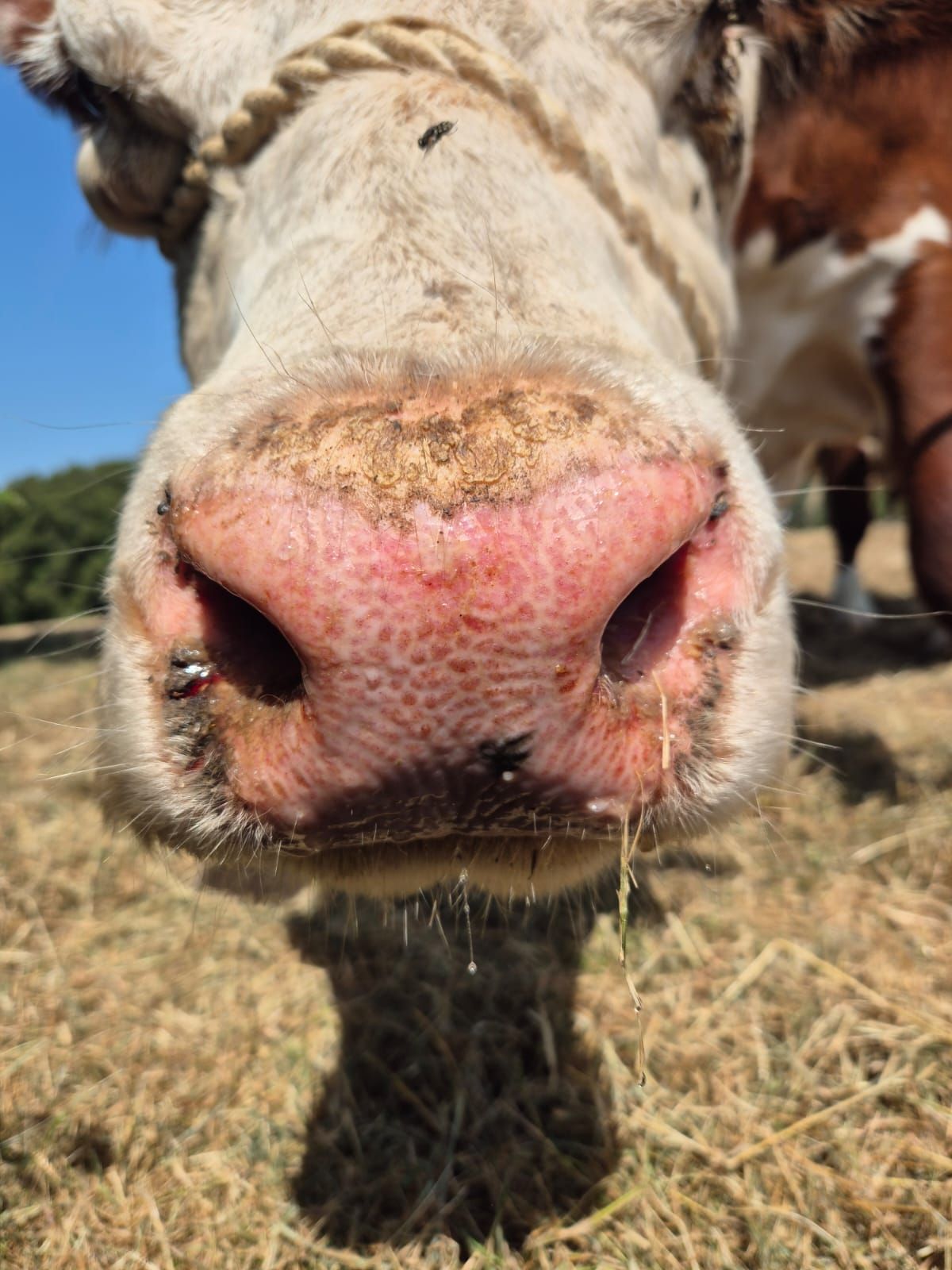
To date, 465 sheep, 106 cattle and one llama in the UK have been detected with bluetongue.
Defra said the midges that spread bluetongue became active again on March 31, 2026.
"Temperatures are consistently high enough in parts of the UK and nearby continental Europe for the virus to develop inside the midges.
"This means onward transmission is now occurring and there is increased risk of transmission from midges blown across the Channel. Animals can also get infected through germinal products (semen, ova or embryos)," the department said.
The first cases of bluetongue virus serotype 3 (BTV-3) of the 2026 to 2027 outbreak season was confirmed on 10 July 2026.
There were 348 cases of bluetongue in Britain in the 2025 to 2026 bluetongue season.
Vaccination
The chief veterinary officers (CVOs) from England, Wales and Scotland have emphasised the need for greater vigilance against BTV-3.
Veterinary and livestock industry leaders are urging farmers to vaccinate to protect their herds and flocks.
According to Christine Middlemiss, UK CVO, "vaccination is the only way to deal with BTV-3".
"We should also be clear that vaccination does not cause infertility in sheep or cows, contrary to some reports.
"It is the virus that causes infertility as it leads to temperature spikes in the animals. Vaccination ahead of the breeding season is therefore essential," she said.

The National Farmers' Union (NFU) also stated that vaccination remains the strongest defence available to livestock farmers who are battling the growing threat of BTV-3.
"The past few days have been a stark reminder that bluetongue poses a serious and growing threat to the UK livestock sector and it’s not going away any time soon," Clare Wise, NFU Livestock Board acting chair, said.
"As the disease continues to spread at an alarming rate, it’s important to assess the risks and consider all the tools available by speaking to the farm vet.
"Vaccination is proving to be the most effective shield against the disease, which is spread by biting midges, and may offer greater confidence and resilience as the industry navigates the challenges the disease presents.
"We welcome the push by manufacturers to make more vaccines available," she said.
"To reduce the risk, farmers are also moving high-risk or non-vaccinated stock away from wet, low-lying, or sheltered areas.
"They are also keeping vulnerable animals housed during dawn and dusk when midge activity peaks, all of which is added pressure on farmers and forage stocks during this challenging dry weather period.
"A coordinated approach across the industry will give us the best chance of reducing the impact of bluetongue," Wise added.