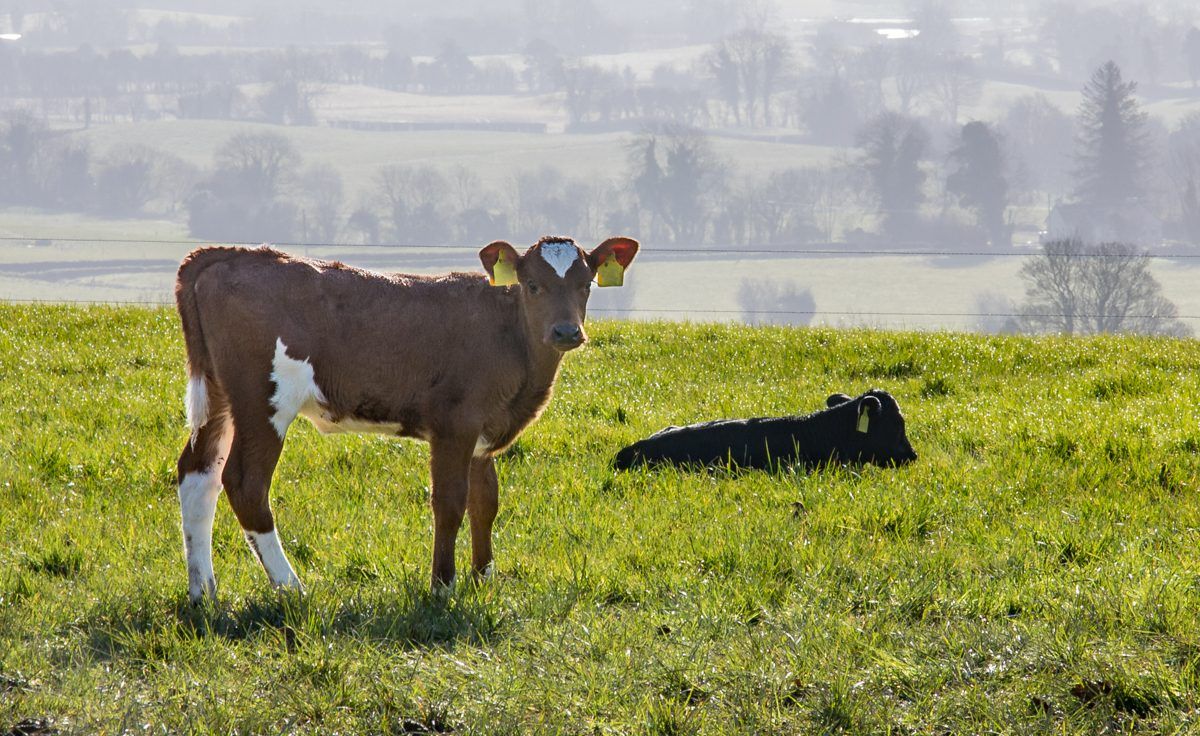
Antrim demo hill farm turning to tech to boost output

The benefits of managing hill farms proactively have been confirmed by research and development work carried out in Northern Ireland.
This approach allows for balancing the food output generated by suckler cows and sheep while still maximising the environmental benefits that hill landscapes - including blanket bog - can deliver for society as a whole.
Much of this research and development work is taking place at the College of Agriculture, Food and Rural Enterprise (CAFRE) hill farm, located close to the village of Glenwherry in Co. Antrim.
Comprising 960ha and rising to an altitude of 1,000ft above sea level, the farm is located in the very heart of the Antrim Hills complex.
The facility is also used as an important centre of education by the college.
Adding to its significance is the access granted to stakeholders organisations, working in all aspects of conservation and environmental improvement.
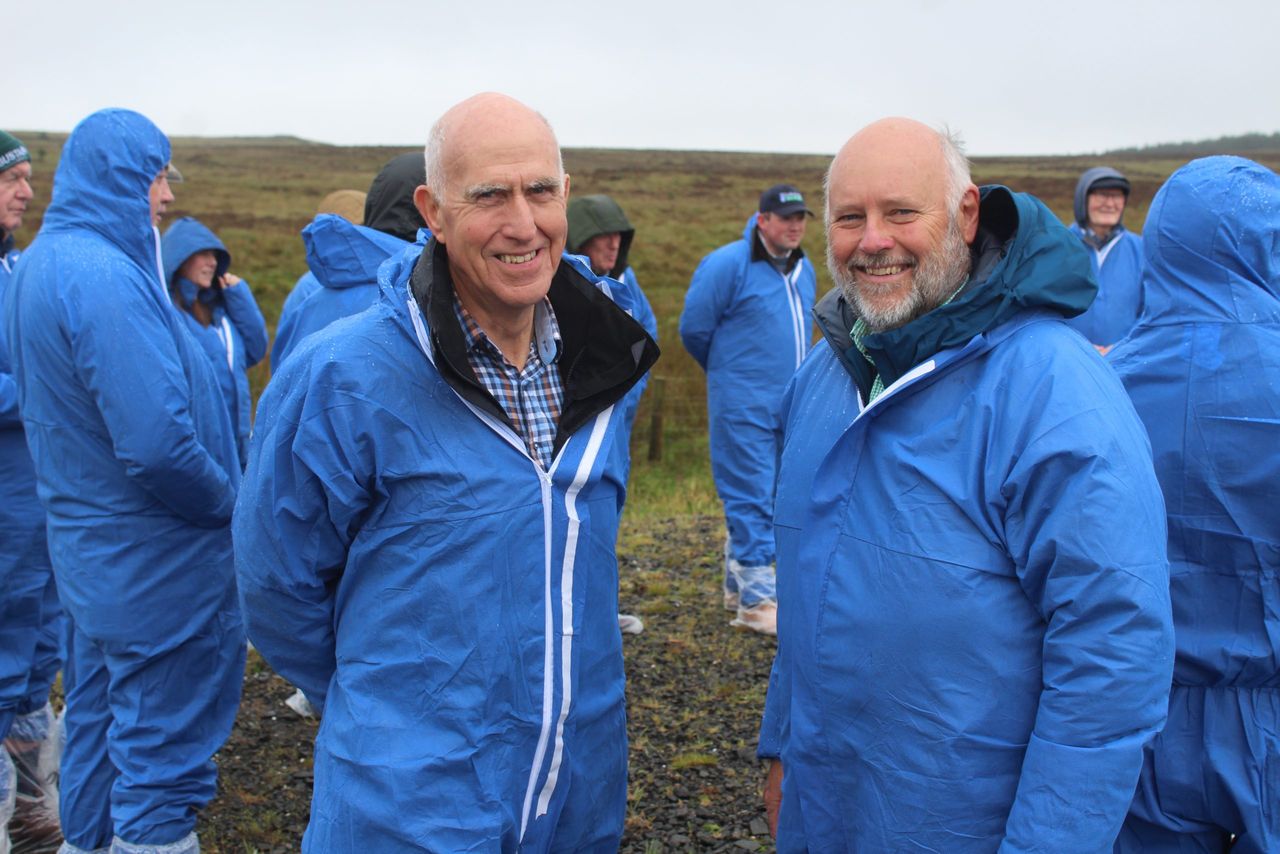
Glenwherry recently hosted a visit by members of the Northern Ireland Institute of Agricultural Science.
The event was used to profile the role for new technology in managing livestock in ways that deliver from both farm output and conservation perspectives.
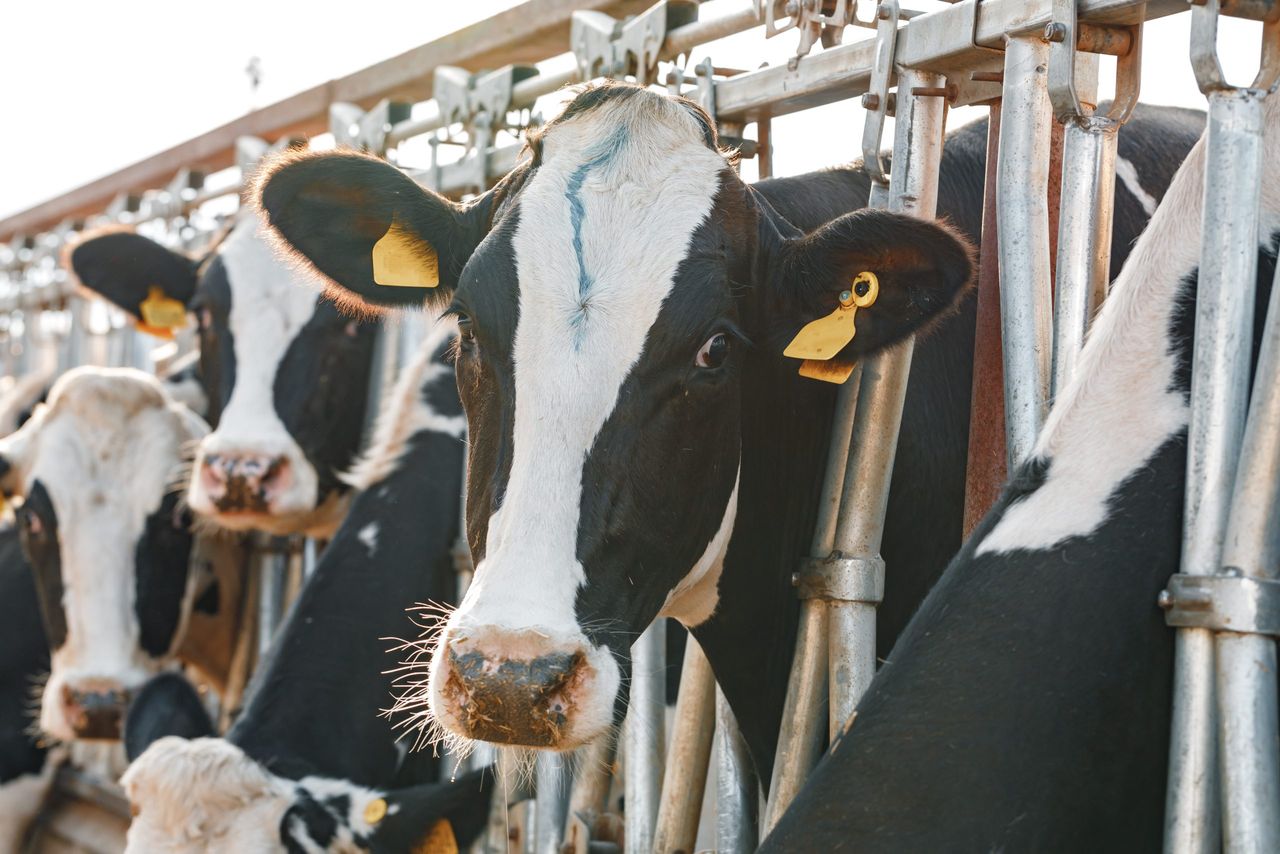
A case in point is the application of virtual fencing systems at Glenwherry to manage the winter grazing requirements of 25 suckler cows.
This approach has been taken to ensure that the spring nesting habitats of ground nesting birds, including curlew, lapwing, and snipe, are retained in optimal condition.
At the heart of the fencing system are GPS collars, which can be used to direct the cows around a 74ha block of land.
It is an approach that ensures the cows receive the winter grazing they require, without destroying the habitat they have access to.
In addition, significant savings are secured with regard to the feeding of winter fodder while the stored slurry volumes are reduced significantly.
Glenwherry
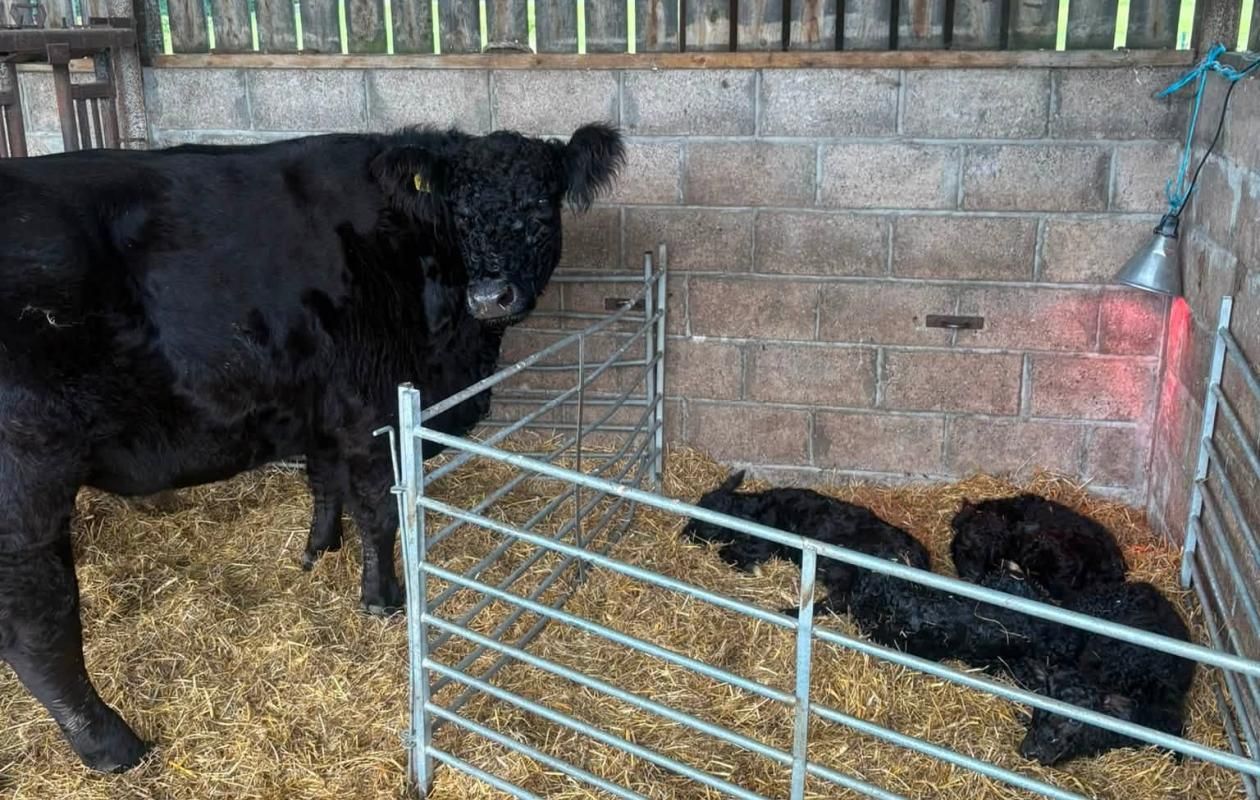
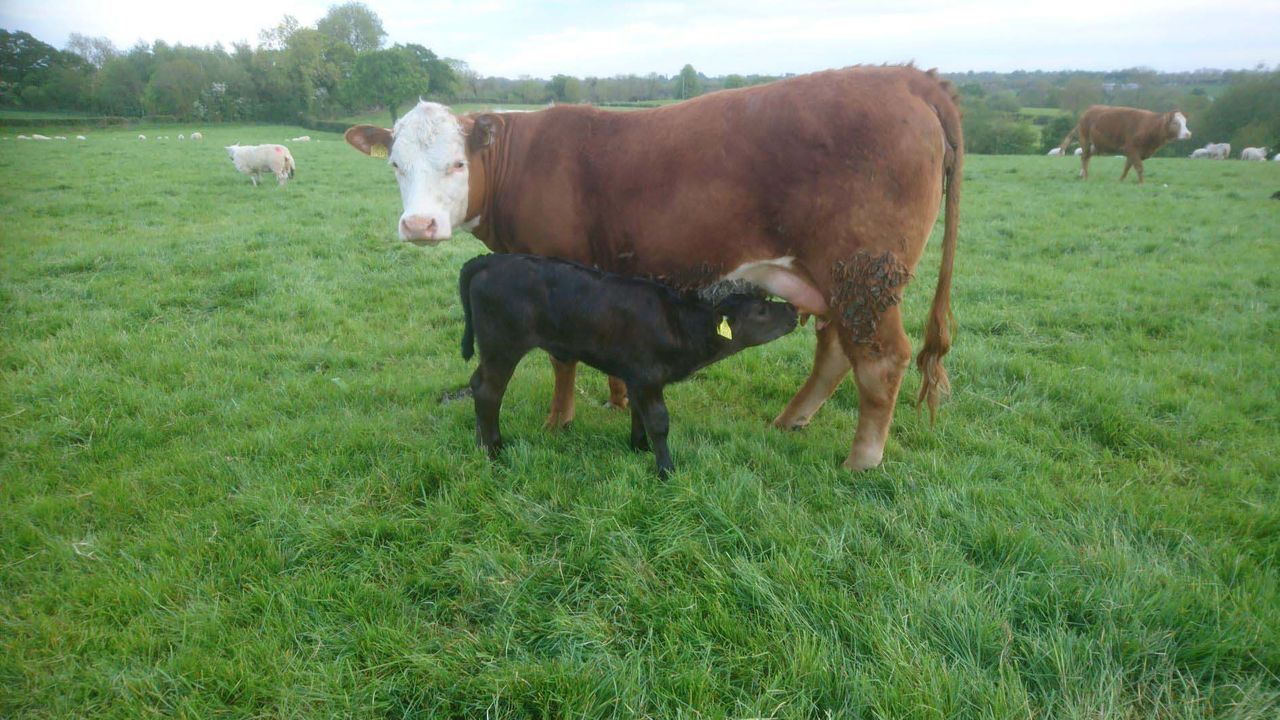
Glenwherry is home to a herd of 100 suckler cows and 1,100 strong flock of breeding sheep.
These animals are being used to manage the hill farm in ways that can sustain the landscape from the perspective plant species’ regeneration and water quality improvement.
However, these targets are being achieved in ways that do not detract from the animal output generated on the farm.
In fact, the very opposite has been the case.
Recent years have seen an increase in lamb numbers, reflecting the increased performance achieved for the unit’s sheep flocks.