Voluntary EID tags available for NI cattle from next week

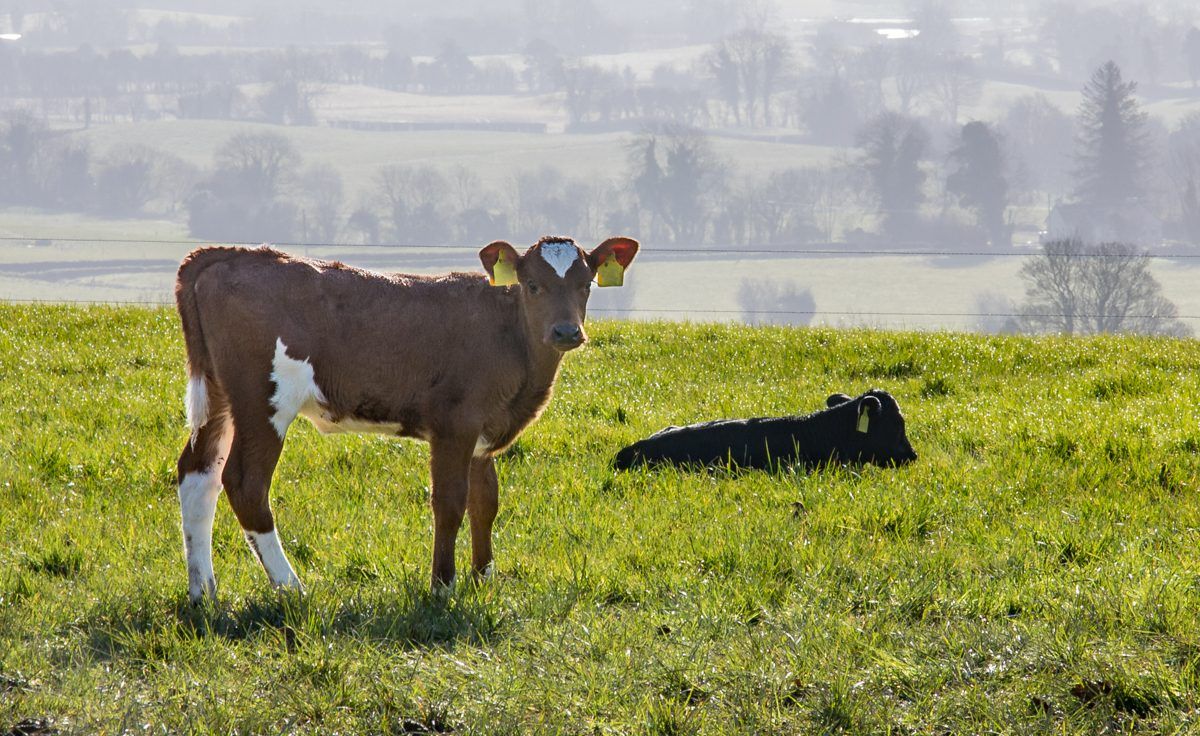
Herd keepers in Northern Ireland will be able to identify newborn cattle using approved electronic identification (EID) ear tags from next week.
The Department of Agriculture, Environment and Rural Affairs (DAERA) has announced that this will be introduced from September 7, 2026, on a voluntary basis.
This means herd keepers in Northern Ireland may choose to use an approved EID tag in place of one of the conventional tags, with no requirement to do so.
DAERA said this approach provides choice and flexibility, allowing those who wish to adopt the technology to do so at a pace that suits their business.
EID tags
An EID tag contains a microchip programmed with the animal’s unique identification number, allowing it to be read electronically using compatible equipment such as a tag reader.
This can help improve the speed and accuracy of recording cattle movements, reduce transcription errors, improve efficiency on farms, at livestock markets and in processing sites, and support safer handling by reducing the need to manually read tags.
Announcing the introduction of voluntary EID, DAERA Minister Andrew Muir said: “The introduction of voluntary EID for cattle is an important step forward for Northern Ireland.
"It will give herd keepers the choice to adopt this technology where it works for their business, while supporting more accurate, efficient and safer recording of cattle movements.
“Northern Ireland will be the first region in the UK to make bovine EID available, and this voluntary approach allows the sector to begin realising the benefits without placing new requirements on all herd keepers."
Benefits of EID
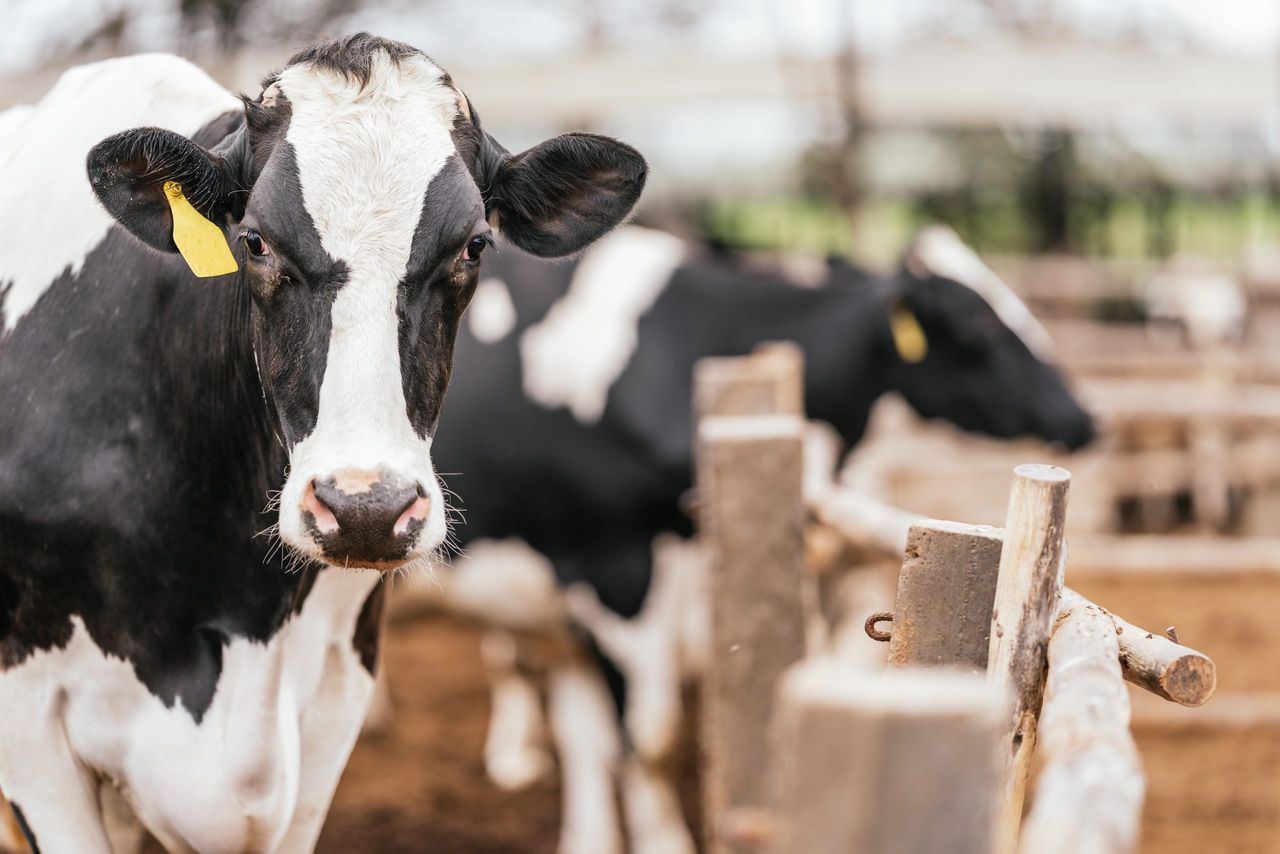
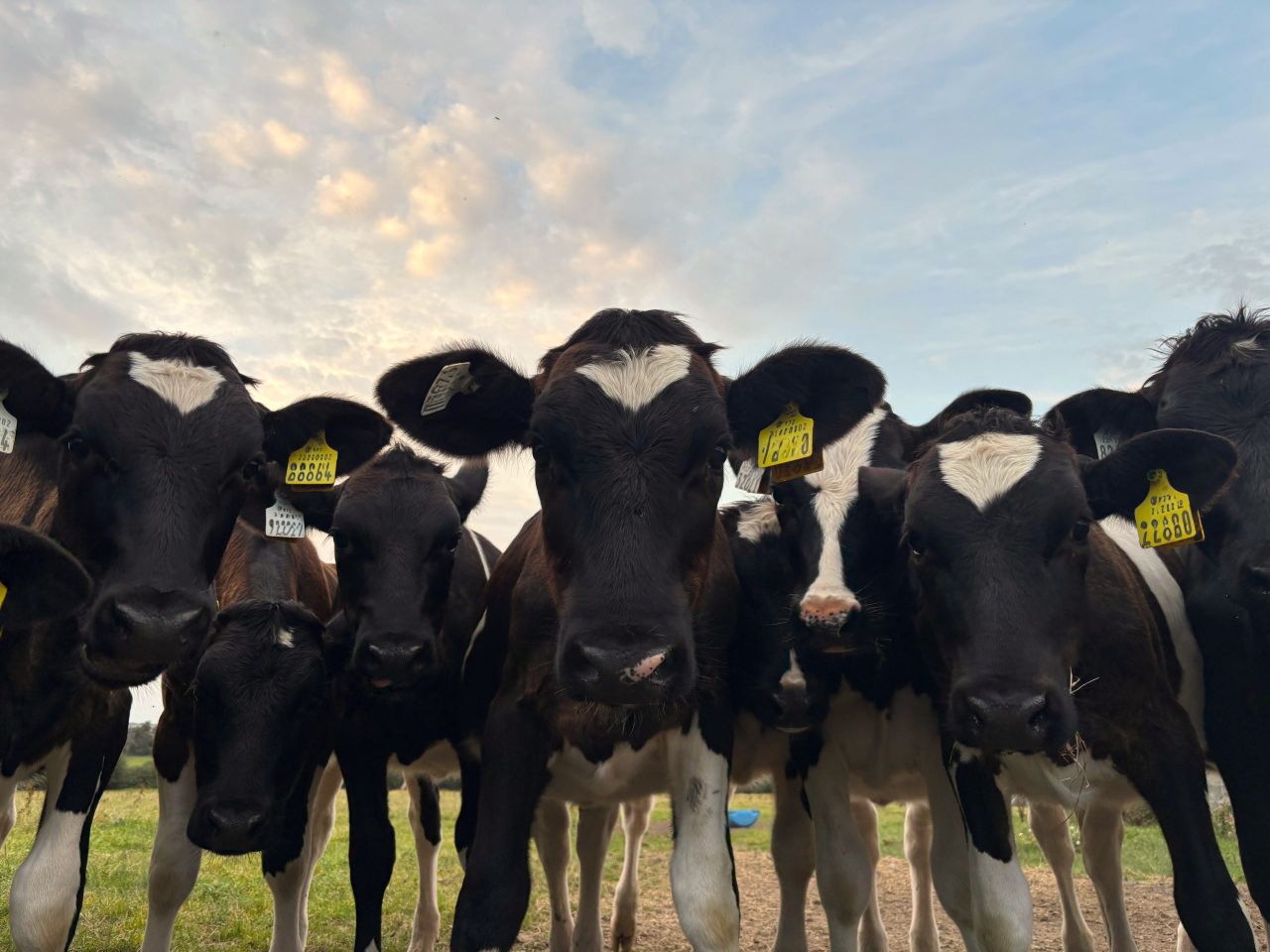
EID tags will be white to allow quick and clear visual identification of electronically tagged cattle.
DAERA said the distinct colour will also help reduce errors and make it easier to identify missing tags alongside conventional yellow tags.
Herd keepers and industry stakeholders are being encouraged to consider the benefits of EID and the option of using it to identify newborn cattle.