Beef Shorthorn numbers on the rise

The Beef Shorthorn Society of Great Britain and Ireland is confirming that the number of pedigree herds on its books continues to rise.
And this trend looks set to be maintained
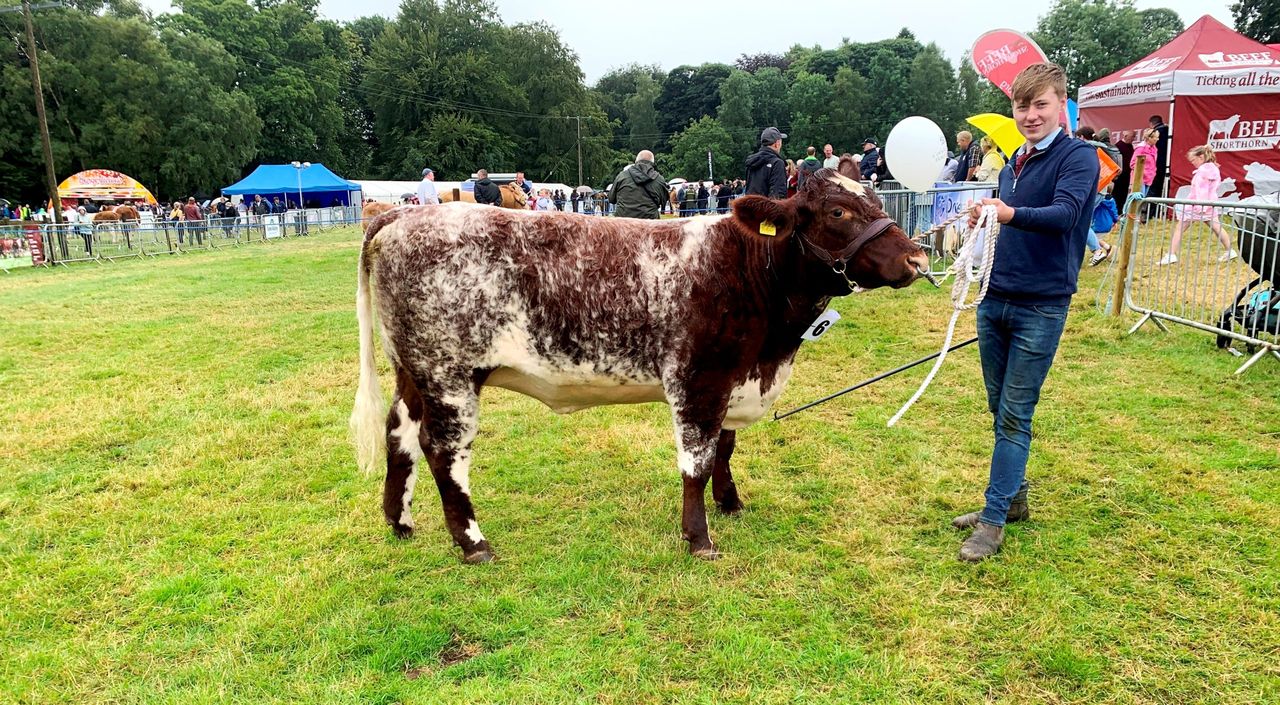
The recent Clogher Valley Show hosted the 2026 Northern Ireland Beef Shorthorn National Championships.
The event was attended by breeders: Emmet McNulty, from Belleek in Co, Fermanagh and Ruth Bleakley, from Clogher in Co. Tyrone.
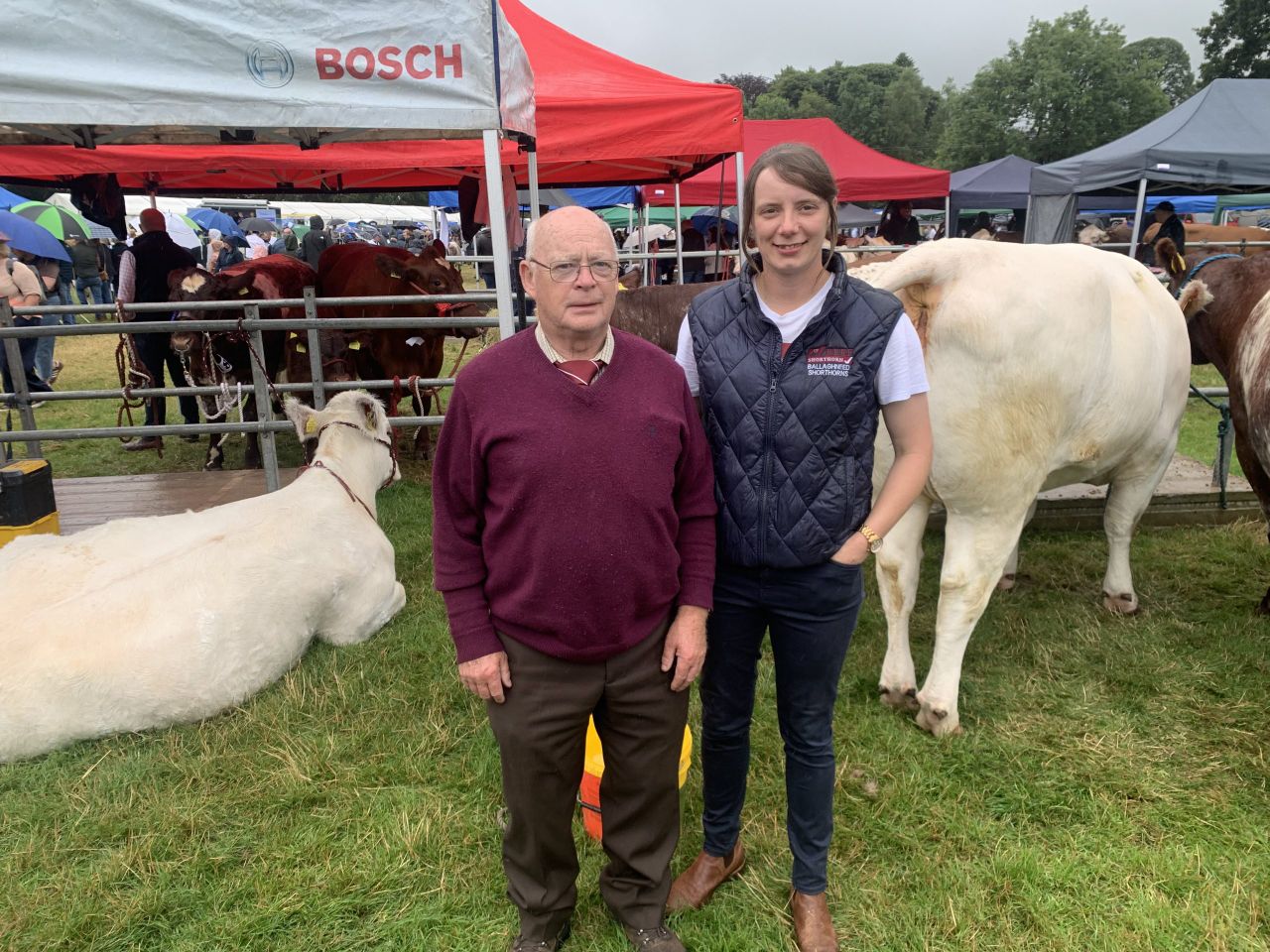
Both confirmed that pedigree Beef Shorthorn herd numbers had broken through the 100 barrier, with McNulty adding:
“The cattle are particularly suited to smaller, part-time farms. The cows are easy calving and are straightforward to manage.”
Ruth agreed, adding: “Shorthorn cattle can make use of grazing and other forages.
"They are extremely well suited to Irish farming conditions."
Meanwhile, the debate on what constitutes the most appealing colour of Beef Shorthorn cattle continues.
According to McNulty: “The cattle can be a mix of colours from pure white through to full red.
"However, there has always been a very strong demand for animals with that unique roan colour.”
Shorthorn breeders
The growth in breed numbers has very much been driven by the quality of the beef that the cattle produce.
Recent years have seen a significant increase in the size and height of the cattle produced by Shorthorn breeders.
“There is a tremendous selection of bloodlines that Beef Shorthorn breeders can select from at the present time,” Bleakley explained.
Widely regarded for its maternal traits, the Beef Shorthorn has long been considered an outstanding suckler cow and an excellent cross to improve milkiness and temperament in any herd.
Breeding females are noted for their inherently high fertility levels, ease of calving and docility.
Attempts are ongoing to enhance the Shorthorn breed’s reputation, increase its market share, and secure its position as a leading native beef breed.
Work also continues to improve the Beef Shorthorn breed’s genetics, health, and productivity.
Pedigree herd book
The Beef Shorthorn Cattle Society is responsible for maintaining the herd book for the oldest recorded beef breed in the world.
The breed evolved from Teeswater and Durham cattle in the late 18th century and was refined through selective breeding in north-east England.
Through a series of selective mating and line breeding, these cattle improved until the Coates Herd Book was produced in 1822.
This was the first pedigree herd book for cattle in the world. The Shorthorn Society of Great Britain and Ireland was subsequently formed in 1874.
Over the 19th and early 20th centuries, Shorthorns were used as a dual-purpose herd before specialised dairy and beef strains were formally recognised in the mid-1900s.
Beef breeders starting their own section of the herd book in 1958.