Bird flu case in Lincolnshire sparks another protection zone

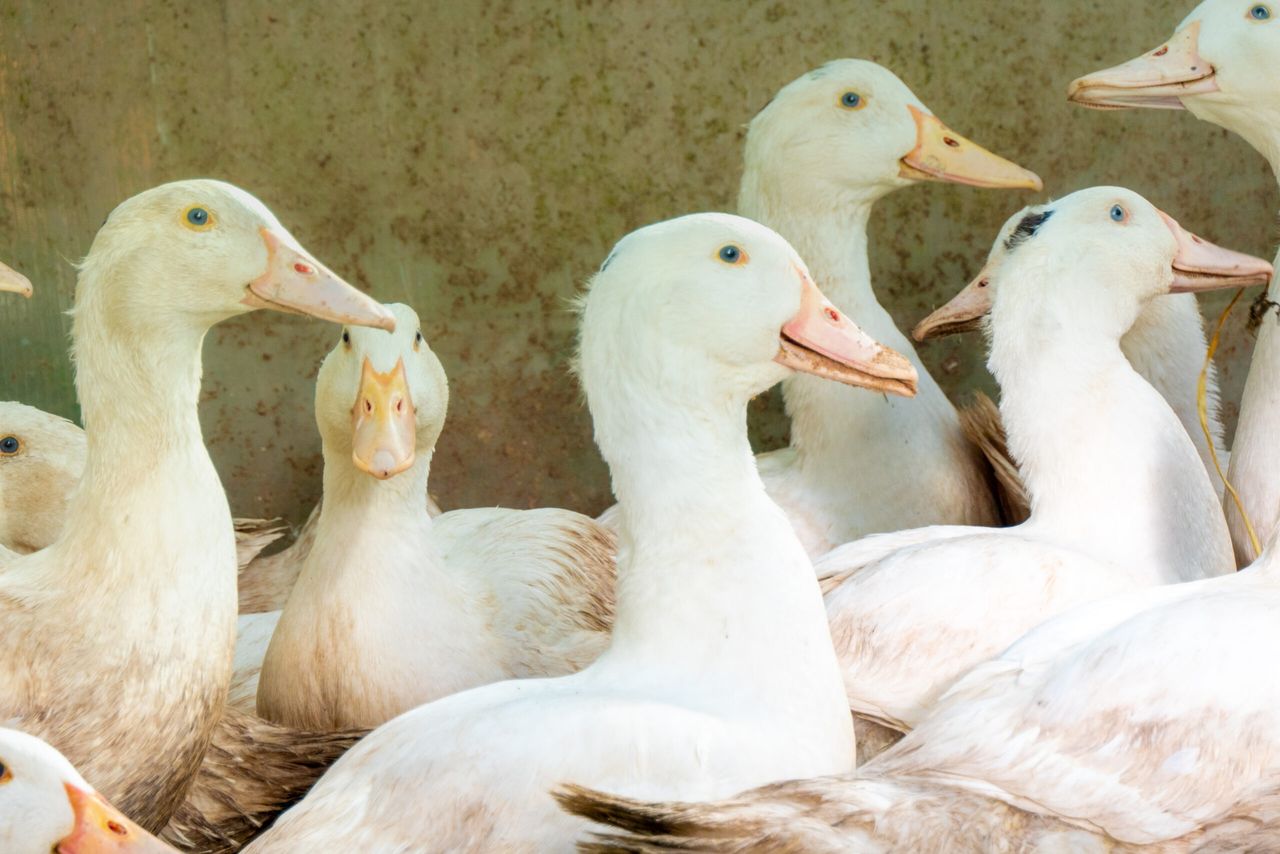
Highly pathogenic avian influenza H5N1, otherwise known as bird flu, has been confirmed in commercial poultry near Brigg, North Lincolnshire.
A 3km protection zone and 10km surveillance zone have been declared around the premises.
All poultry on the premises will be humanely culled, according to the government.
Earlier this week (November 2) bird flu was also confirmed in commercial poultry near Biggar, Scottish Borders.
A 3km protection zone and 10km surveillance zone has also been declared around the premises and all poultry on that premises will be humanely culled.
Following successful completion of disease control activities and surveillance in the zone around a premises in Ness, Isle of Lewis, Scotland, the protection zone ended on October 30 and the area that formed it becomes part of the surveillance zone.
This strain of bird flu was also previously confirmed in commercial poultry near Belford, North Northumberland.
In bird flu disease zones, certain movements of the following are not permitted:
- Poultry;
- Other captive birds;
- Eggs;
- Poultry products or materials associated with their keeping;
- Mammals from or to premises where poultry or other captive birds are kept.
This is to control further disease spread.
Some low risk activities or movements are possible, provided that all conditions of the general licence are met by the person responsible.
If it is not possible to meet the conditions, or if the activity or movement is not covered by a general licence, bird owners can apply for a specific licence.
Vaccination for bird flu?
The Department for Environment, Food and Rural Affairs and Animal and Plant Health Agency (Defra) has said that you cannot vaccinate poultry or most captive birds against bird flu in England.
You can only vaccinate zoo birds in England if you meet eligibility criteria and get authorisation from APHA.
Only zoos or collections holding a current zoo licence can apply for vaccination.
Defra said it continues to invest in bird flu research and monitors the situation globally.
It also works with the Veterinary Medicines Directorate (VMD) to monitor the development of vaccines for birds.
Signs of bird flu
There are two categories of bird flu – highly pathogenic avian influenza (HPAI) or low pathogenic avian influenza (LPAI).
HPAI is the most serious type of bird flu. Birds with HPAI usually show some (or all) of the following signs:
- sudden death;
- lying down and unresponsiveness;
- lethargy and depression;
- drooping of the wings;
- discoloured or loose watery droppings;
- eating less than usual;
- drinking less or more than usual;
- closed and runny eyes;
- a stop or significant reduction in egg production (egg abnormalities);
- head and body shaking;
- fever or noticeable increase in body temperature;
- breathing difficulties such as gaping (mouth breathing), nasal snicking (coughing sound), sneezing, gurgling or rattling;
- swelling and blue discolouration of comb and wattles;
- swollen head;
- lack of co-ordination;
- dragging of legs;
- twisting of the head and neck;
- bleeding or redness on shanks of the legs and under the skin of the neck.