Delays and costs hampered bluetongue vaccination efforts

The take-up of bluetongue vaccinations among British farmers was hampered by price and lags in confirming results, an Environment, Food and Rural Affairs (EFRA) committee meeting has heard.
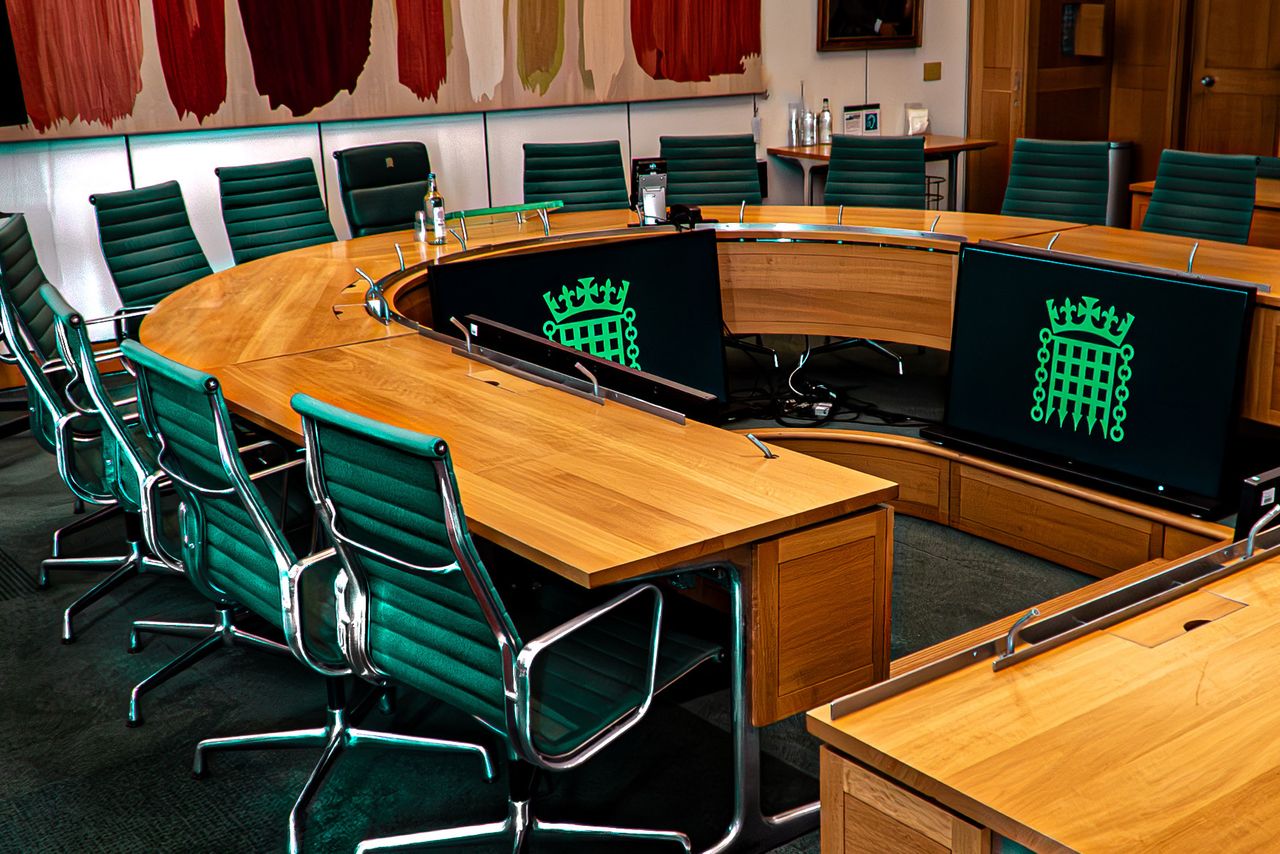
Catherine McLaughlin, National Farmers Union (NFU) chief animal health and welfare adviser, and Dr. Gwen Rees, president of the British Veterinary Association (BVA) addressed a EFRA committee meeting yesterday (November 3) that focused on the 2026/2027 outbreak.
McLaughlin highlighted the emotional strain and financial damage to farmers and the farming community as a result of the bluetongue outbreak.
Meanwhile, Dr. Rees pointed out that some problems are likely to only be seen once calving and lambing begins in the spring.
The BVA president explained that the disease, which causes infertility in rams, will affect lambing in the spring.
Vaccination
Dr. Rees outlined that some very “valiant efforts” to communicate the importance of vaccination to farmers had taken place ahead of the 2026/2027 bluetongue season.
She said: “There were some really good resources and that messaging was there, but it didn't penetrate, I suppose.
"It's partly the nature of communicating risk and discussing risk in uncertainty."
According to Rees the price of the vaccines also made it was hard to sell to farmers.
“Farmers and vets are always balancing risk and benefit, and it's very difficult sometimes to invest in a just-in-case when your margins are extremely tight.”
Dr. Rees added that there is a new aspect to vaccine scepticism, saying that farmers were not worried that it may be unsafe, but instead questioned if the vaccine actually works.
“When vets were first having these conversations with farmers, there was a lot more uncertainty about how valuable these vaccines would be.
"And perhaps that initial narrative is difficult to change," she said.
McLaughlin also said that the expense of the vaccine as well as supply issues still pushed farmers away.
She added that clearer communication was needed on the benefits of the vaccines, rather than their availability.
Communication
According to Dr. Rees, there was a significant time lag between cases being reported and the tests being submitted.
She said that this led to difficulties in communicating the level of severity of the outbreak to high risk areas.
“You were trying to communicate that the risk is very high and yet the map isn't reflecting it because it's reflecting two to three weeks ago.
“It did take time, I think, to fully appreciate the scale and severity of what was happening in the South West at the time because of that lag in confirming those submissions,” she added.
According to Dr. Rees, adding suspected cases onto the map of cases changed farmers' views and improved communication between vets.
Test results
Mclaughlin also highlighted the impact that delays in test results had on farmers.
According to the animal welfare adviser, farmers reported waiting longer than three week for results.
She said: “As a farmer, you know that you've got a problem, you've reported that problem, you know, you are now left having to deal with the aftermath and still no clear confirmation of what you're dealing with.
“It feels as if it becomes an even worse problem and adds to the emotional distress.”
She added that a more streamlined process would prevent such delays in any future outbreaks.
According to the Department of Environment, Food and Rural Affairs, as of October 30, there have been 3,472 cases of bluetongue serotype 3 (BTV-3) in the UK in the 2026/2027 bluetongue season.
These include:
- 2,917 cases in England;
- 500 cases in Wales;
- 55 cases in Scotland;
- 0 cases in Northern Ireland.
There have been no cases of bluetongue serotype 8 (BTV-8) in the current bluetongue season.