Bluetongue 'taking a grip' on Scotland as second case confirmed

The bluetongue virus is "taking a grip" on Scotland as a second case has been confirmed in the country, according to government officials.
A second case of bluetongue was detected on a farm near where the initial case was found in Dumfries and Galloway earlier this week, which marked the first time that the virus was present in Scotland.
Scotland's chief veterinary officer (CVO) Sheila Voas confirmed that two sheep tested positive in this new case, with both of them being euthanised as a result.
Voas noted that both affected farms remain "under restriction while investigations, including testing other susceptible animals, are ongoing".
NFU
It has been reported that more cases of bluetongue could soon be identified, as the National Farmers' Union (NFU) Scotland stated that "a further three suspected cases are under investigation".
NFU Scotland outlined that investigations are being conducted on two further farms within the Dumfries and Galloway area, including one premises that neighbours the initial case, while another farm in Fife is currently being investigated as well.
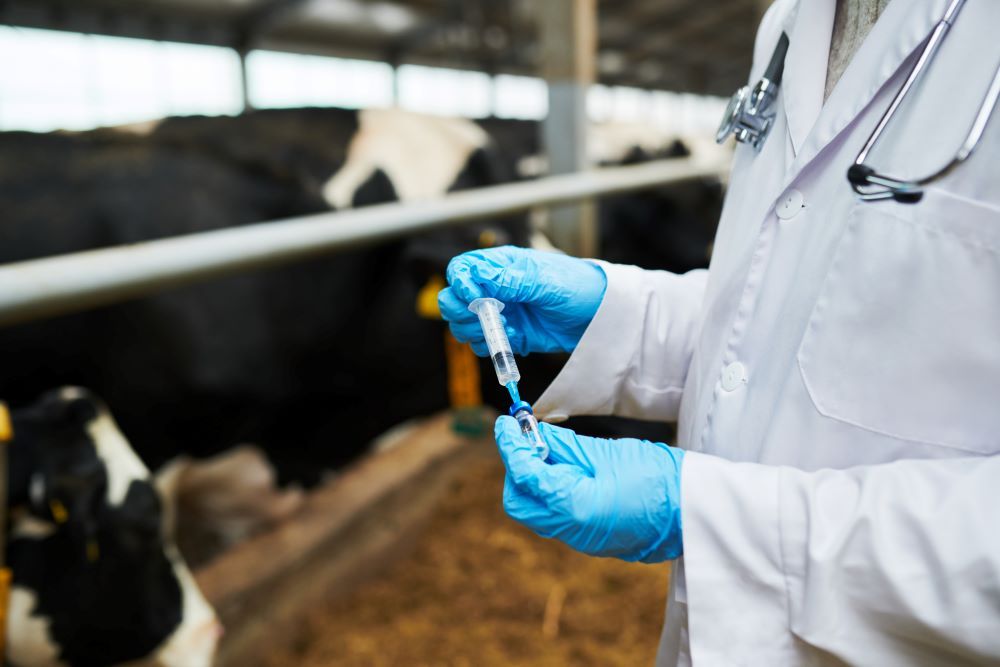
The farm organisation also emphasised that it is working alongside government officials to ensure there is a sufficient supply of vaccines, as some producers have raised concerns regarding their availability.
"The Scottish government is engaging with vaccine manufacturers over potential additional supplies, and NFU Scotland is working to establish the level of demand from livestock keepers across the country," the union commented.
According to NFU Scotland, the government "does not intend to introduce a disease control zone at this point, as it currently considers prevalence to be low".
Bluetongue
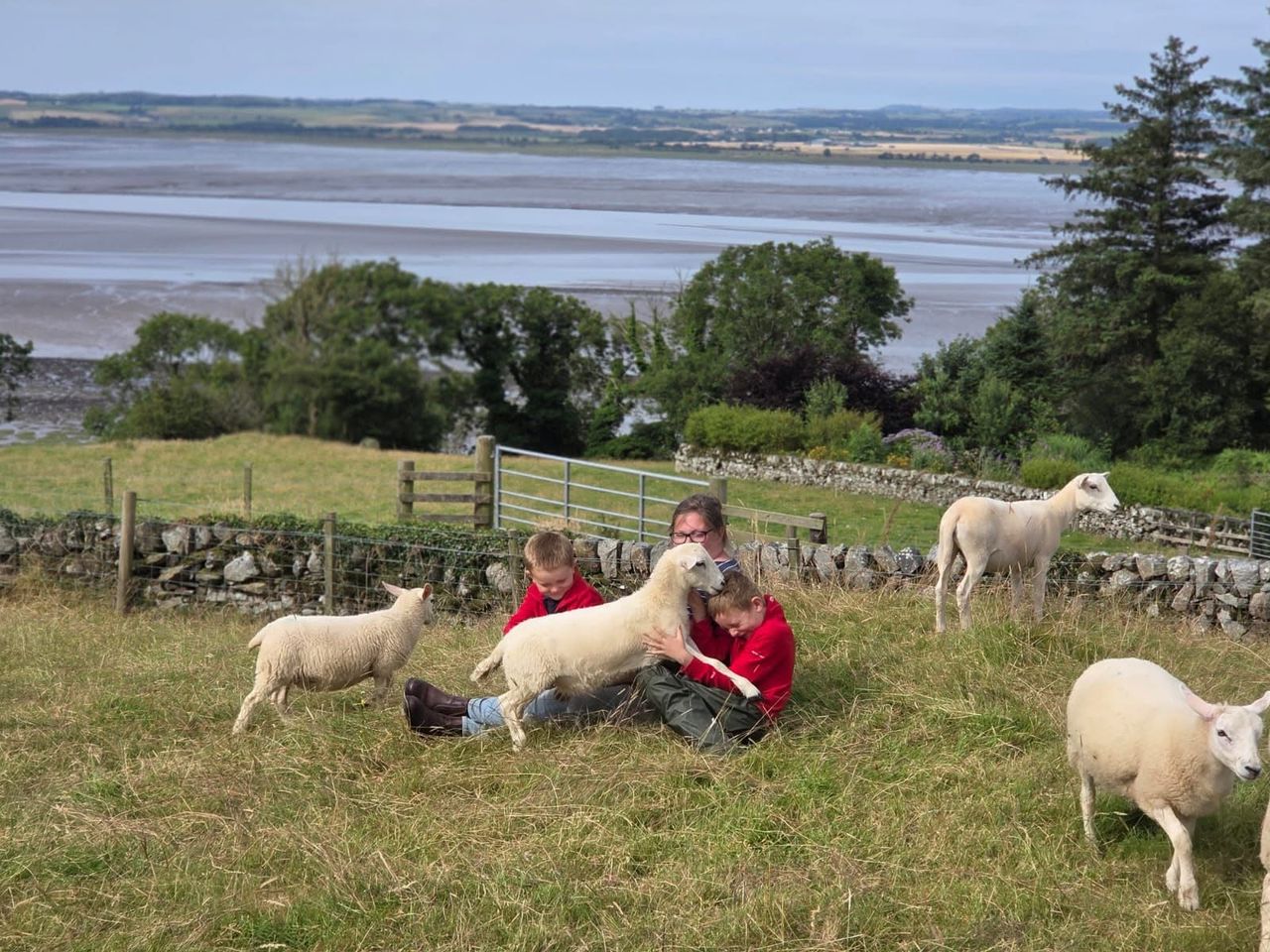
Scotland's first case of bluetongue was detected within a flock of sheep at Kirkmabreck Farm in Newton Stewart after a lamb tested positive for the virus.
The owners of the farm, the Johnson family outlined that they originally had their lamb checked by a vet for gut issues and a lack of an appetite.
"During the visit, the vet noticed ulceration inside her mouth and even though the closest reported case of bluetongue was a long distance from us, we all agreed that the sensible and responsible thing to do was to report it as a possibility," the family said.
The farm was granted permission to put down the affected lamb due its deteriorating state before test results had returned, which later proved that the animal had been afflicted by bluetongue.
Further testing of the Johnsons' flock took place to detect any other cases; however the family revealed that the test results for the remaining sheep came back negative.
The Johnsons added that all of its sheep had been purchased locally, within 20 miles of the farm, as the family had moved from England to Scotland four months ago.
MPs
Following the first bluetongue outbreak in Scotland earlier this week, Alistair Carmichael said that the confirmed case "shows that the virus is taking a grip" on the nation.
The MP for Orkney and Shetland commented: "The confirmation of a bluetongue case in south-west Scotland shows that this virus is spreading at a rate that even the most pessimistic forecasts did not anticipate.
"The best defence to this has got to be the widest and earliest use of vaccination; anyone with any concerns at all should be getting in touch with their vets."