Call for govt action on slaughter house shortage

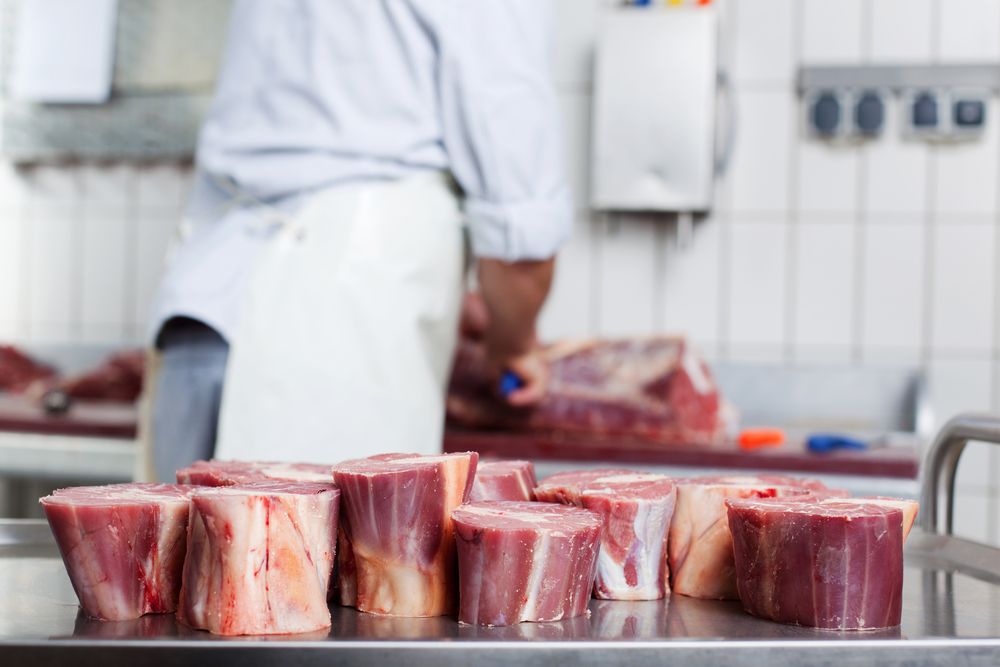
The National Farmers Union (NFU) has joined 150 other organisations in an effort to combat the rising pressures faced by local slaughter houses.
Despite being an essential network for UK food supply, the number of slaughter houses is slowly declining in rural areas.
Over 50 years ago the UK had approximately 2,500 slaughter houses, now there are only 200.
A 2025 survey of 850 farmers found that two thirds of farmers found difficulty finding suitable slaughter houses, while 43% said they can no longer sell meat locally as their local abattoir had closed.
The NFU has warned that the loss of small and medium-sized abattoirs reduces competition and removes important services for livestock farmers.
Abattoirs support local food businesses and sustain jobs in local communities and are an important infrastructure that is slowly shrinking, according to the farm group.
150 organisations, businesses and individuals have come together to sign a joint letter to recognise slaughter houses as essential economic infrastructures.
Pressures
There are many significant pressures surrounding small and medium abattoirs in the UK.
Chair of the livestock board at the NFU, Clare Wise said that reducing burdens on the abattoir network will improve the price and quality of British food.
More local abattoirs will make slaughtering easier on farmers, allowing them to access these services locally, reducing the pressure for foreign imports, she said.
According to the NFU, these businesses are faced with issues ranging from rising cost of official controls, higher energy bills and ongoing recruitment challenges.
“As more abattoirs close, many livestock farmers are left with no local processing facilities, forcing them to travel longer distances at greater cost and limiting opportunities to add value,” Wise said.
The livestock board chair explained that there is a need for a more proportionate and efficient regulatory system as well as fair and transparent charging structure for official controls.
“By reducing unnecessary burdens and supporting a sustainable abattoir network, we can help ensure farmers can continue to provide consumers with safe, high-quality and affordable British food."
Calls for government
The joint letter is calling for the government to urgently review regulations, establish funding and ensure capacity is considered alongside transport, energy and skills in economic planning.
The NFU hosted a parliamentary round table to discuss the pressures facing small and medium-sized abattoirs.
Cross-party MPs and industry representatives were involved in the discussion which highlighted the need for a more streamlined regulatory system.
The NFU also raised the need for abattoirs to be treated as critical food-system infrastructure.
An independent review of the Food Standards Agency’s cost structures, workforce management and use of third-party contractors was also called.
This was to ensure official controls were being delivered efficiently to provide fairness and value for money.