Farmers urged to tighten biosecurity as bird flu cases confirmed in UK

All bird keepers are being urged to review and strengthen their biosecurity now, ahead of the higher-risk winter period for bird flu.
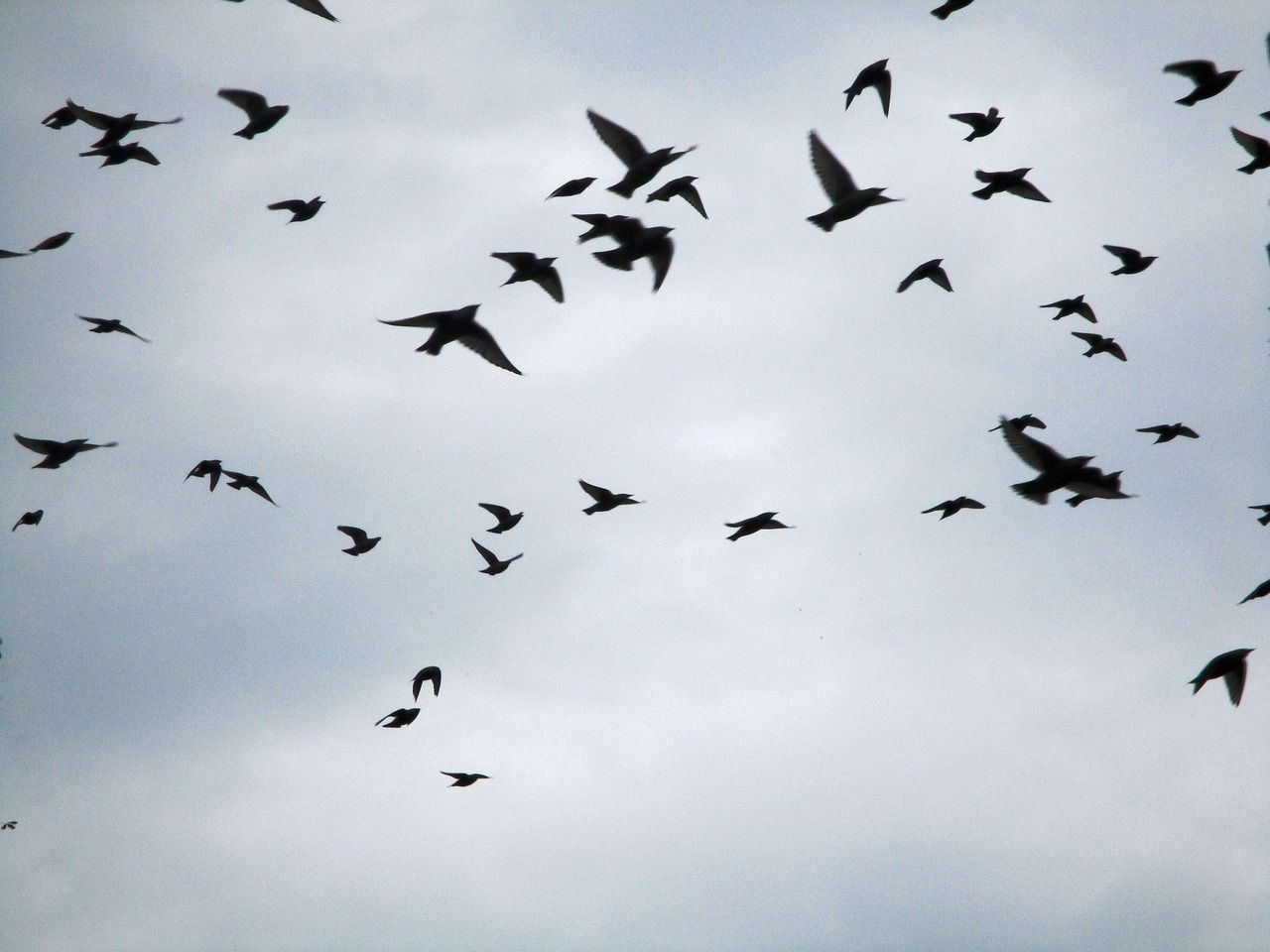
The Department of Agriculture, Environment and Rural Affairs (DAERA) in Northern Ireland warned that the seasonal movement of migratory wild waterfowl, including ducks and geese, can increase the risk of avian influenza being introduced to kept birds.
Highly pathogenic avian influenza (HPAI) H5N5 was confirmed in Scotland at the beginning of October, and HPAI H5N1 was confirmed in commercial poultry in England on October 19.
Avian influenza also continues to circulate in wild birds across Europe.
DAERA said good biosecurity remains the best way to protect the health and welfare of birds and reduce the risk of disease entering kept bird populations.
Threat
Northern Ireland's chief veterinary officer, Brian Dooher said the recent cases in Great Britain are an "important reminder that avian influenza remains a threat".
"I am urging every bird keeper - whether they keep a few birds or thousands - to review their biosecurity now, minimise contact between their birds and wild birds, and monitor their flock closely," Dooher said.
"Do not wait for the risk to increase before taking action. Strict hygiene and robust biosecurity should be in place at all times.
"If you suspect avian influenza, report it to DAERA immediately."
Protecting birds
DAERA outlined immediate practical steps to protect birds. These include:
- Keeping the area where birds live clean and tidy, controlling rats and mice and regularly disinfecting any hard surfaces;
- Cleaning and disinfecting footwear before and after visits;
- Placing birds’ feed and water in fully enclosed areas that are protected from wild birds, and removing any spilled feed regularly;
- Putting fencing around outdoor areas where birds are allowed and limiting their access to ponds or areas visited by wild waterfowl;
- Where possible, avoid keeping ducks and geese with other poultry species.
DAERA has also reminded all bird keepers, except those who keep pet birds exclusively within their home, that registration is a legal requirement.
Members of the public are being urged to use DAERA's online tool to report dead wild birds.
Bird flu
Avian influenza, commonly known as bird flu, is a highly contagious viral disease affecting the respiratory, digestive and/or nervous system of many species of birds.
Avian influenza is primarily a disease of birds and the risk to the general public’s health is considered very low.
The Food Standards Agency (FSA) advised that avian influenza poses a very low food safety risk for UK consumers, and that properly cooked poultry and poultry products, including eggs, are safe to eat.