Calls for clarity on funding for new NI forestry development scheme

The private woodland sector is calling for clarity on funding for a new forestry development programme in Northern Ireland.
Minister for Agriculture, Environment and Rural Affairs, Andrew Muir recently launched the Tree Planting Action Plan (TAP) for the period 2026 to 2032.
It has been designed to boost tree cover levels in Northern Ireland to 12% of the available land area by 2050.
The current afforestation figures sits at 8%.
Premier Woodlands’ managing director, John Hetherington, commented: “The principles within the new TAP are to be welcomed. But we have been here before.
“During his tenure as Stormont agriculture minister, Edwin Poots, launched the Forests for our Future programme.
"That was back in 2020. The initiate was to have seen approximately 900ha of new woodland created in Northern Ireland on an annual basis over a 10-year period.
“To date, the actual planting levels achieved within this scheme have been in the region of 400ha per annum.”
The Premier Woodlands’ representative points to the emphasis placed within the new TAP on the role that enhanced tree planting levels play in allowing Northern Ireland to meet its climate change targets.
“It also recognises the need for farmers and the land they manage to be at the heart of new forestry and woodland creation in Northern Ireland.
“But we need to see the detail of how all this can be achieved," he said.
The new TAP was developed as a tripartite initiative with direct input from Department of Agriculture, Environment and Rural Affairs, the Forest Service, and Strategic Investment Board officials.
The views of all other forestry and woodland stakeholder groups were fed into this process courtesy of their engagement with the Strategic Investment Board.
Hetherington said: “Looking ahead, there are a number of requirements that must be met by the new TAP in order to get farmers fully on board.
“First of all support, payments must be made available for 20 years, not 10, as is currently the case.
“And in addition, all newly afforested land must retain eligibility for the area payments that are available under the Sustainable Agriculture Programme."
According to Hetherington, getting the fixed costs elements of all new tree planting projects indexed linked for the future should be another priority, stating:
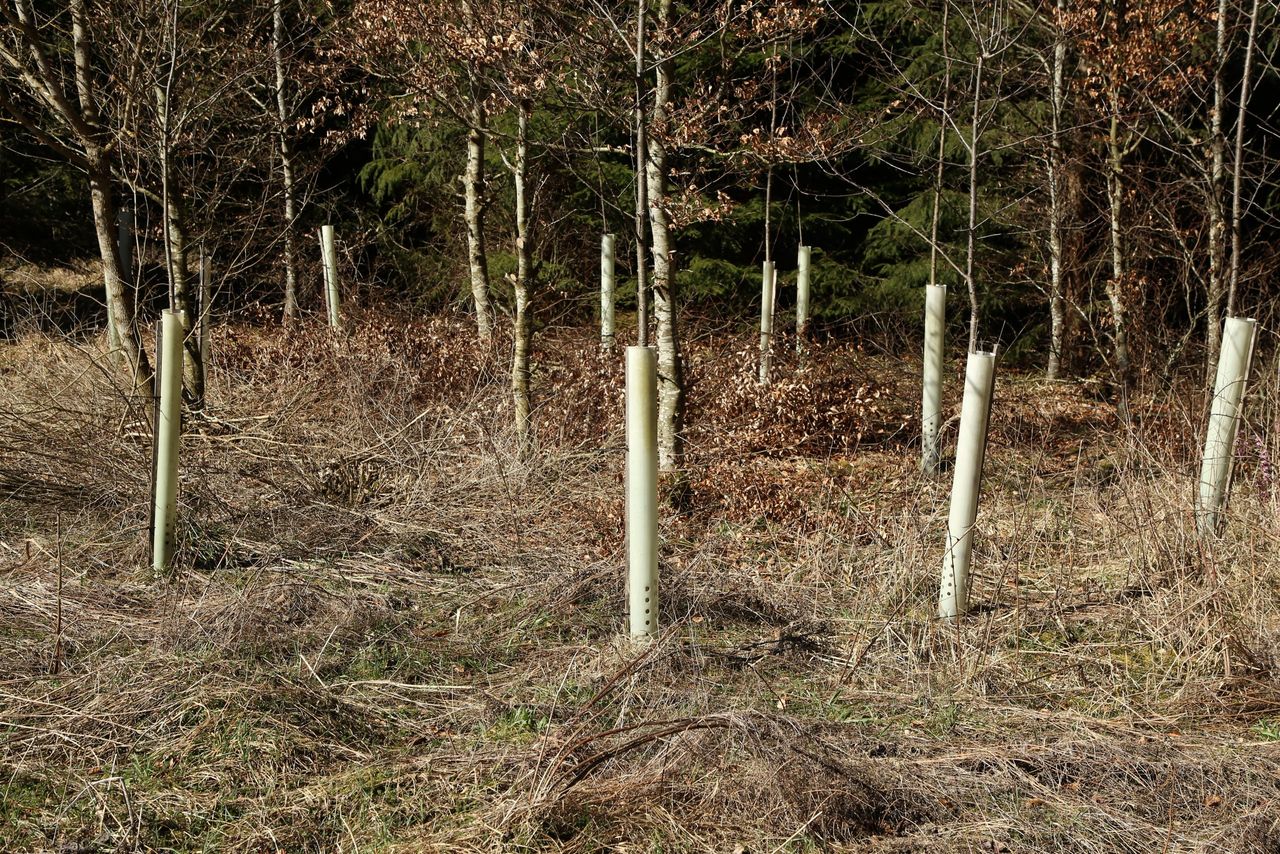
“Fencing is of absolute importance in this regard where costs have not been reviewed for the past 10 years.”
The private forestry sector is also calling for the application period associated with future tree planting initiatives to be open the year round.
“It is also imperative that Forest Service agree the detail of new planting initiatives in a timely manner,” Hetherington further explained.
“Waiting until a tree planting season is three-quarters’ way completed before coming forward with approvals, as can be the case at the present time, makes no sense at all.”