Weather extremes still impacting on Europe’s tillage sectors

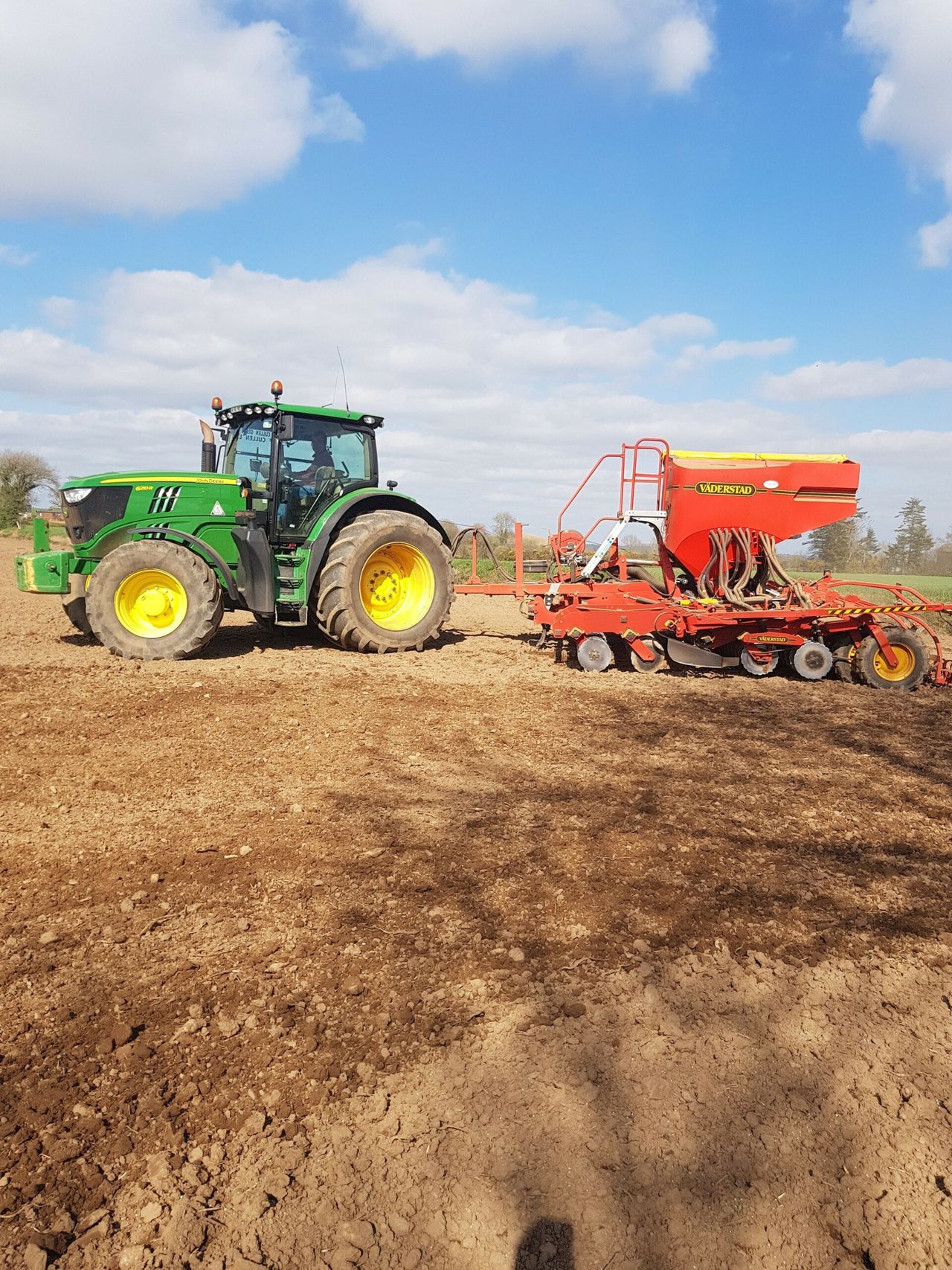
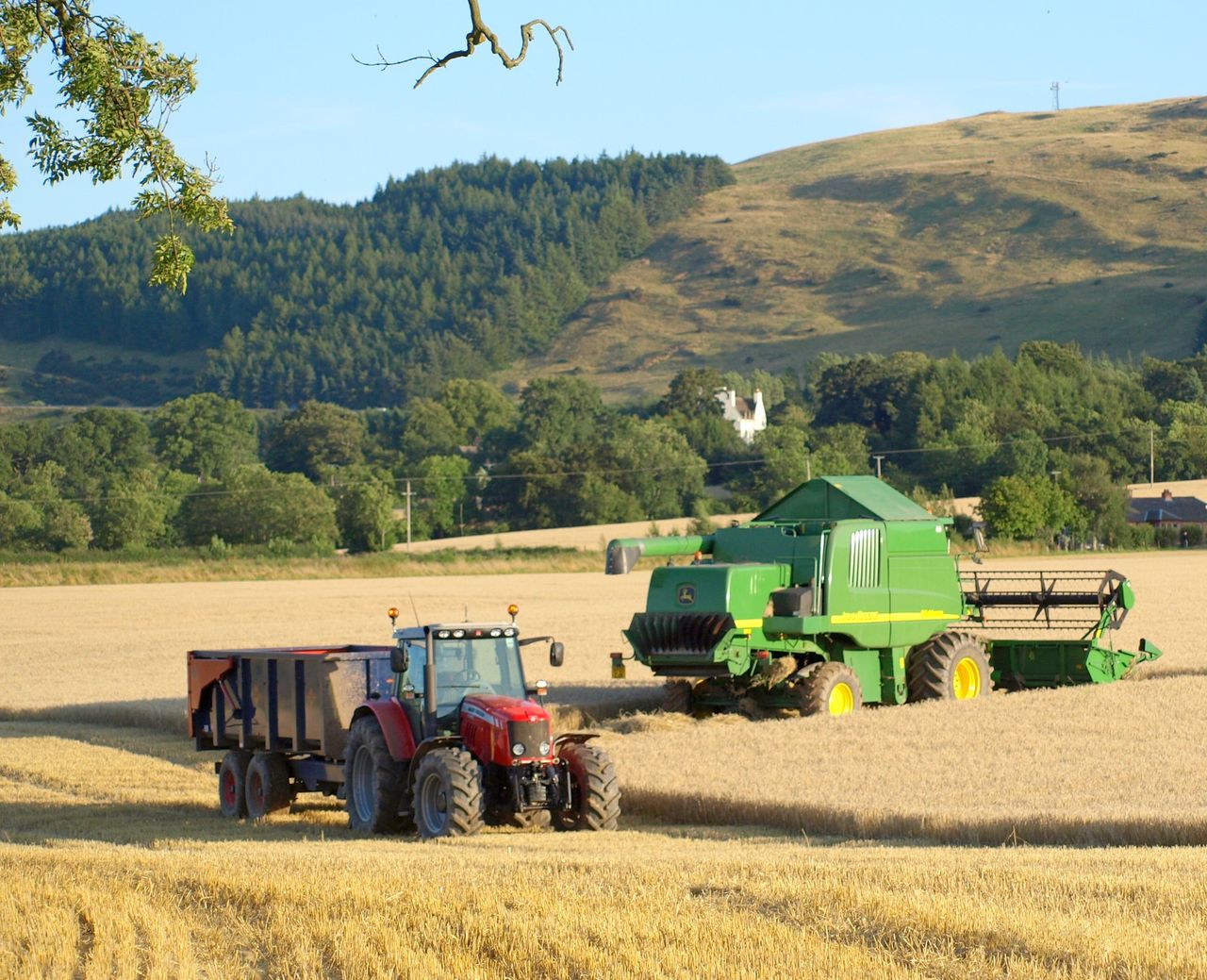
Weather extremes continue to hamper work on tillage farms across Europe, the European Commission has reported.
The 2026 harvest is drawing to a close, with field work well advanced across most of Europe.
EU yield forecasts have changed relatively little since the end of September and are below the five-year average for most crops.
In fact, slight revisions further downwards have been made in some regions where persistent adverse soil moisture conditions reduced yields and delayed harvests.
Winter planting season
Meanwhile, the new autumn/winter planting season has presented widely differing challenges for growers across the continent
In overall terms, forecast rainfall across most of Europe may improve soil moisture and support winter crop establishment, while drier conditions forecast in the Baltic states could help mitigate water logging.
But it is a very mixed picture.
Persistently low soil moisture across parts of western, central and south-eastern Europe is hampering rapeseed emergence and early development, while raising concerns for winter cereal establishment.

In contrast, prolonged rainfall in the Baltic states and Finland has caused water logging, delaying winter crop sowing and locally preventing the completion of harvesting.
Continuing lack of rainfall and very dry soil conditions in France, southern Belgium, Luxembourg and southern Germany has hampered rapeseed emergence, resulting in patchy crop establishment in several areas.
Winter cereal sowing has also progressed more slowly in parts of France and the Benelux countries, while recent rainfall improved sowing conditions and early establishment in southern Germany. Further rainfall is needed to support crop establishment.
And it is a similar story in eastern Germany and Poland. Here, the main concern centres on the need for meaningful rain to drive crop establishment rates.
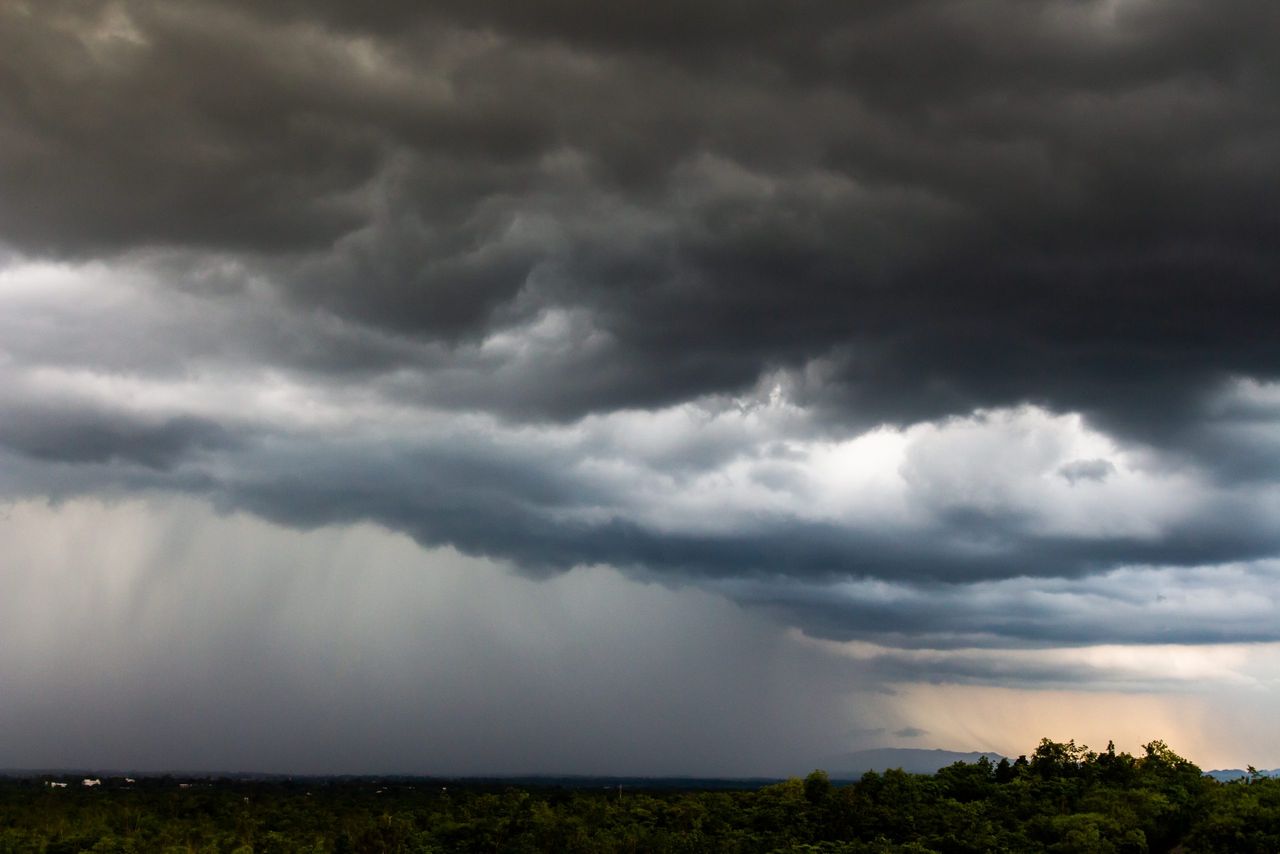
Meanwhile, in northern Europe, persistent rainfall over recent weeks, leading to soil waterlogging, is now the main point of concern for tillage farmers.
In the Baltic states, persistent rains have brought winter crop sowing to a standstill in some regions.
And with the planting window about to close, the winter crop area is expected to decrease, with some fields likely to be sown with spring crops instead.
In contrast, Irish tillage farmers have enjoyed an almost perfect autumn planting season with crops of winter oilseed rape and cereals now well established.