Essential tips for machinery storage this winter

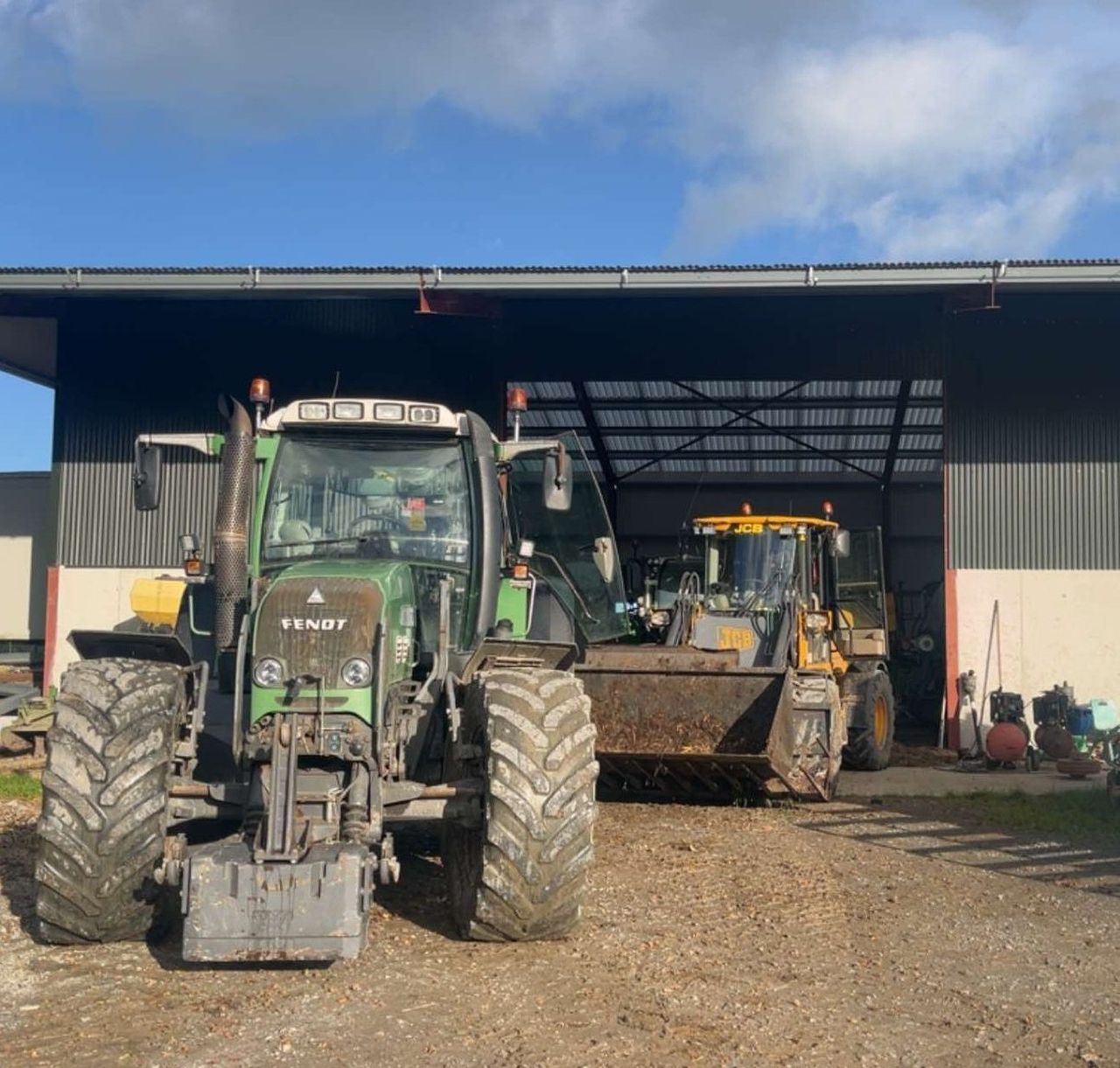
As the time nears to stow away machinery for the winter after the harvest, the matter of storage conditions is up for discussion.
While the ideal storage location for agricultural machinery is a dry shed with a concrete floor, that is not always an option.
As a result, some machinery may need to spend the winter outdoors.
Despite the resilience and high build-quality of large agricultural machines, exposure to the elements can significantly impact their condition, appearance and service-life, so it is important to protect them when stored.
Storage
When deciding where to store your machinery, ensure it will be in a dry, covered space.
Protection from the elements is important in preserving machines, protecting an investment, and prolonging its service life.
Water, oxygen and moisture can promote rust and corrosion.
Rainwater can collect in pockets, particularly in out-of-sight spots, allowing rust to develop unbeknownst to the owner of the machine.
Corrosion can effect chassis components, wheel rims, linkages, bearings and the working parts of implements.
Keeping machinery under cover reduces exposure to rain resulting in slower deterioration, helping preserve structural integrity and appearance.
When exposed to the elements, paint can begin to look chalky and washed out due to moisture and salt, and if it starts to get chipped away, it exposes the surface to potential rusting.
Freeze-thaw action can occur when water gains access to cracks in paint, the roof or trim, expanding the crack when it freezes and physically fracturing the material.
In addition, because modern agricultural machinery now features large amounts of technology and electrical features, these components must also be taken into consideration when preparing for storage.
Condensation and moisture can damage sensors, precision farming equipment, and ISOBUS connections, so dry storage can help eliminate damage to these components.
Service
While good storage conditions can prolong a machine's lifespan, the condition of the machine is equally important to the storage location.
Before storing a machine, it is recommended to service and ensure it is clean.
Dirt left on a machine can accelerate deterioration, such as silage containing moisture leading to rust.

Relatively minor faults can lead to wider consequences if left unaddressed.
For example, something as simple as a worn bearing, can cause damage to a shaft or housing if it fails in service, turning a straightforward replacement into a more expensive repair.
Any necessary repairs should be prioritised before storage, so the machine is ready to return to work when required.
What to look out for
When assessing their agricultural machinery before storage, operators should start by checking for signs of corrosion, particularly around chassis sections, wheel rims, linkages and other exposed metal components.
They should also pay particular attention to areas beneath guards and around joints, where dirt and moisture can accumulate unnoticed.
Hydraulic hoses, fittings and cylinder rods should be inspected for leaks, damage, and excessive wear.
Belts and chains should be checked for signs of deterioration, while electrical wiring and connectors should be examined for damage or corrosion.
Tyres should be inspected for cracking and damage, with pressures checked in accordance with the manufacturer's recommendations.
On tracked machinery, the tracks, rollers and associated components should also be examined.
Any accumulated grass, silage, soil, slurry and fertiliser residues, particularly around moving parts and difficult-to-reach areas should be removed.
Doing so before storage makes it easier to identify any defects on the machine and reduces the risk of any material with potential to corrode remaining on it throughout the winter.