Extreme heat driving ‘significant’ farm productivity losses – report


Livestock feed intake falls by up to 5% for each additional degree above 30°C, leading to reduced productivity, according to a new report.
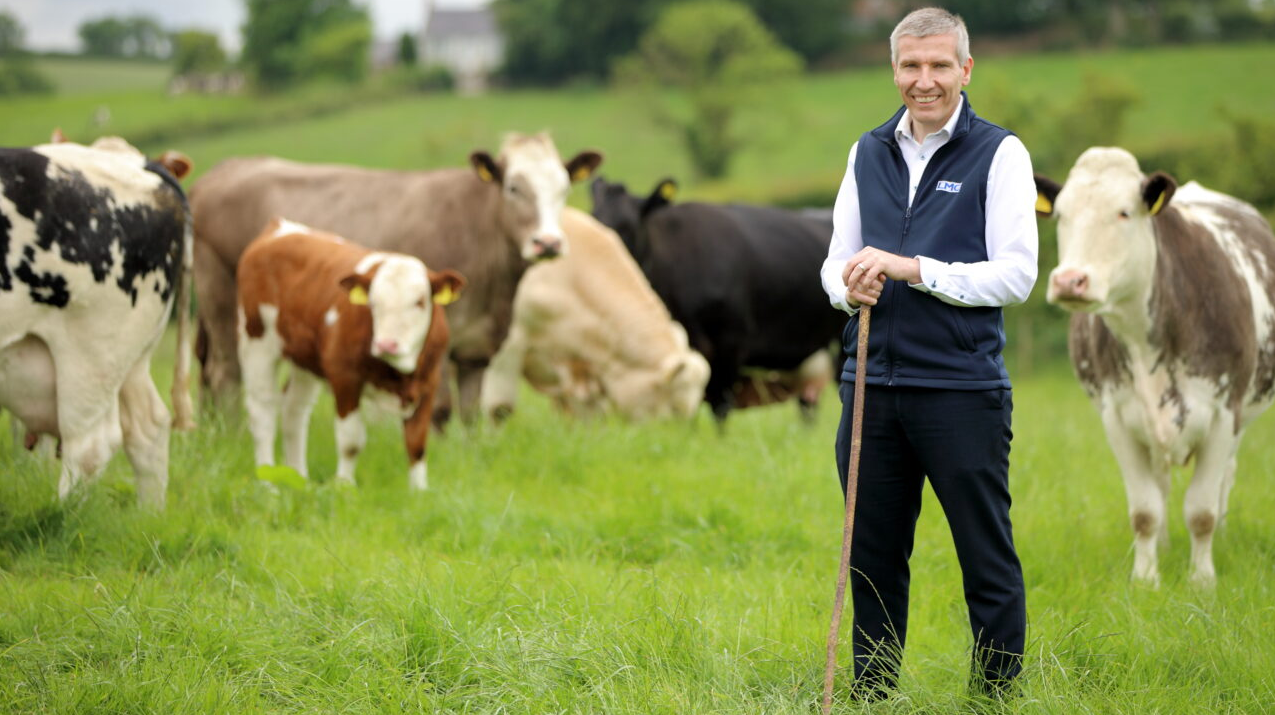
The Food and Agriculture Organization (FAO) of the United Nations report also warned that nearly half the world’s cattle could be exposed to dangerous heat by 2100.
The report, published yesterday (July 15), said: “Extreme heat has emerged as one of the most serious and acute hazards facing agriculture around the globe, threatening food security and the livelihoods of billions."
In relation to livestock, the report said extreme heat leads to reduced productivity for businesses in this sector.
It said: “For each additional degree above 30°C, cattle, sheep, goats, pigs and chickens reduce their feed intake by 3-5%.
“The decrease in feed intake and greater metabolic energy output create a negative energy balance leading to reduced productivity (e.g. less milk, fewer eggs) and weight loss."
It added that repeated exposure to extreme heat weakens animals’ immune response, making them “more susceptible to infections and disease, and leading to higher mortality rates”.
Looking at cattle, the milk yield of cattle under heat stress was found to decline by approximately 2% for each additional unit of increased heat stress.
The study also warned that under high-emission scenarios, “nearly half the world’s cattle could be exposed to dangerous heat by 2100”.
However, a under low emissions scenario, it said that impacts from livestock exposure to extreme heat can be reduced by nearly two-thirds.
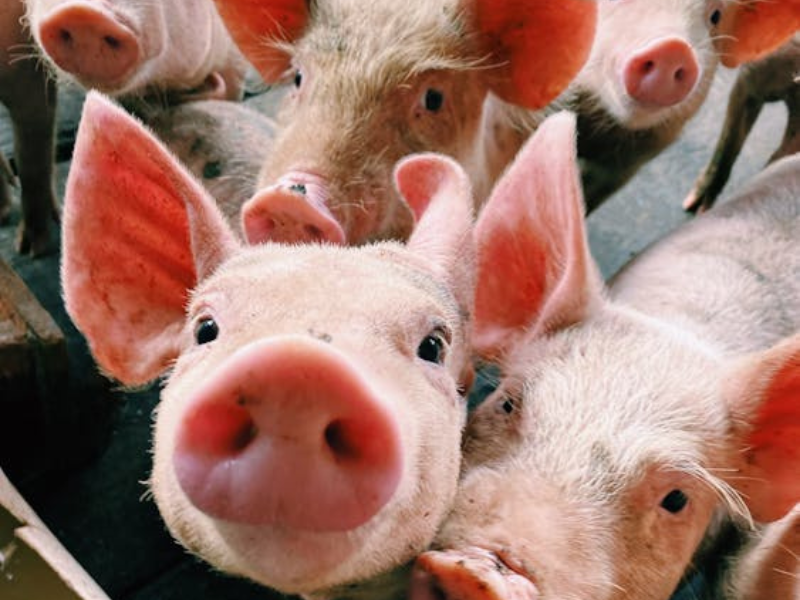
It added that pigs, due to their inability to sweat, are more sensitive to heat stress than other livestock, and that breeding sows in particular require cooler environments.
Chickens are similarly affected, and require higher amounts of water to help them cool down.
The report also highlighted that the quality of produce from individual animals under heat stress is also affected.
Milk from dairy animals has lower fat and protein content and higher somatic cell counts.
"The carcass quality of heat-stressed sheep, swine, cattle and chicken are notably affected, with meat containing increased fat accumulation and less muscle development," the report said.
Crops
Crop growth and productivity also face "direct and potential indirect impacts" from extreme heat, according to FAO.
It said: “As plants come under increasingly high levels of heat stress, they respond in various ways, beginning with effects seen in the functioning of the whole plant and progressing to damages to critical plant processes, organs and individual cells.
The report noted that for crops, growth and development generally begins above a minimum temperature, with rates of development increasing up to an optimal temperature threshold.
At temperatures above this threshold, "a non-linear decline in development is observed until development stops," the report said.
“If temperatures continue to rise, at some point plant death occurs.”
When exposed to increasingly high temperatures during the growing season, the rate of plant maturation accelerates.
As a result, each stage of development, including reproduction and grain-filling, is shortened.
This decreases the opportunity for "reproductive success" as well as reducing the time for yields to accumulate and fully develop, resulting in an overall reduction of yields.
Risks
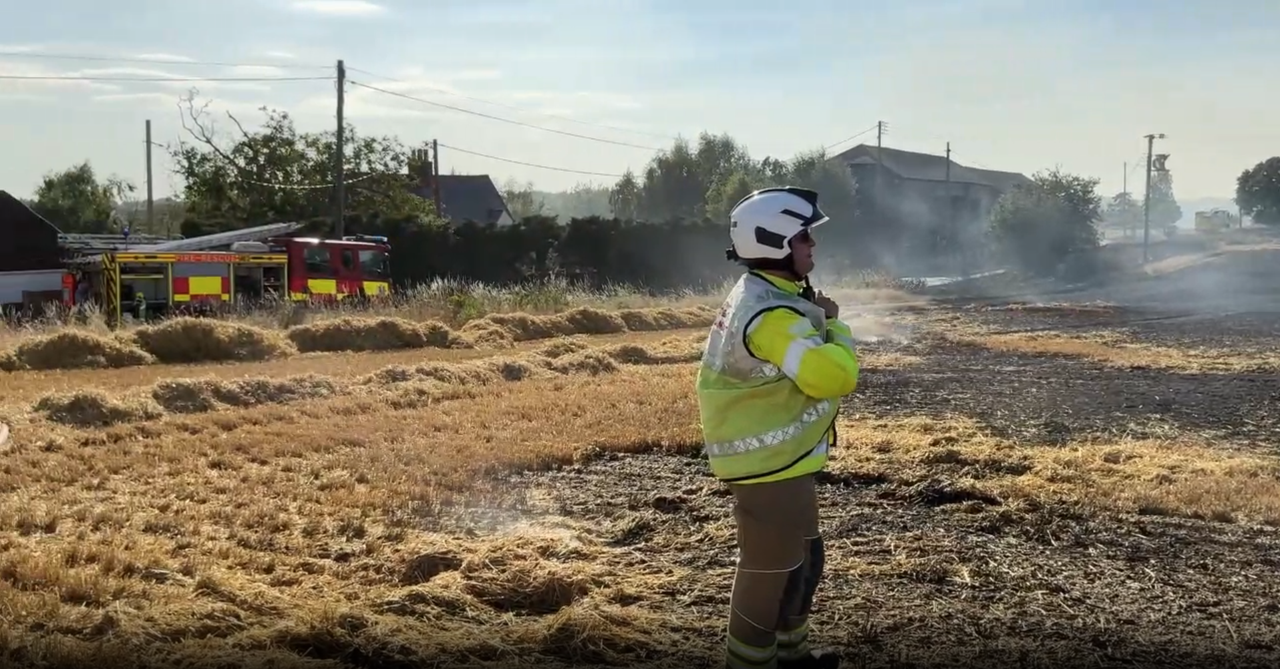
According to the report, extreme heat amplifies existing hazards such as drought, and heightens the risk of wildfires.
It also creates complex impacts that endanger “not only production but also the health of agricultural workers, who are on the frontlines of the growing threat”.
“Extreme heat is a powerful risk multiplier with direct and indirect impacts across all agricultural subsectors (crops, livestock, fisheries and aquaculture, and forestry).”
The report confirmed that heat is already driving "significant productivity losses".
“For example, yields of staple crops like maize and wheat have declined by 7.5 and 6.0% per 1°C of warming and are projected to decline by up to an additional 10% for every 1°C of warming in the future," it said.
Resilience
According to the report, it is "imperative" to build resilience through adaptation to changes that have already occurred and that are imminent.
“Because extreme heat is predictable, strengthening climate services and early warning systems linked to anticipatory actions is a key opportunity.
It noted that there are "profound limits" to what adaptation can achieve.
However, it added that, with global mean temperatures on the cusp of exceeding the 1.5 °C warming limit outlined in the Paris Agreement, "the urgency for adaptation and mitigation action only grows”.
The study concluded that, alongside robust adaptation and risk reduction strategies, “the only durable solution to the escalating threat of extreme heat lies in ambitious, multilateral climate change mitigation”.
It said: “Protecting the future of agriculture and ensuring global food security will require not only building on-farm resilience but also exercising international solidarity and collective political will for risk sharing, and a decisive transition away from a high-emissions future.”