NAP blueprint could act as ‘resolution template’ in Northern Ireland – UFU

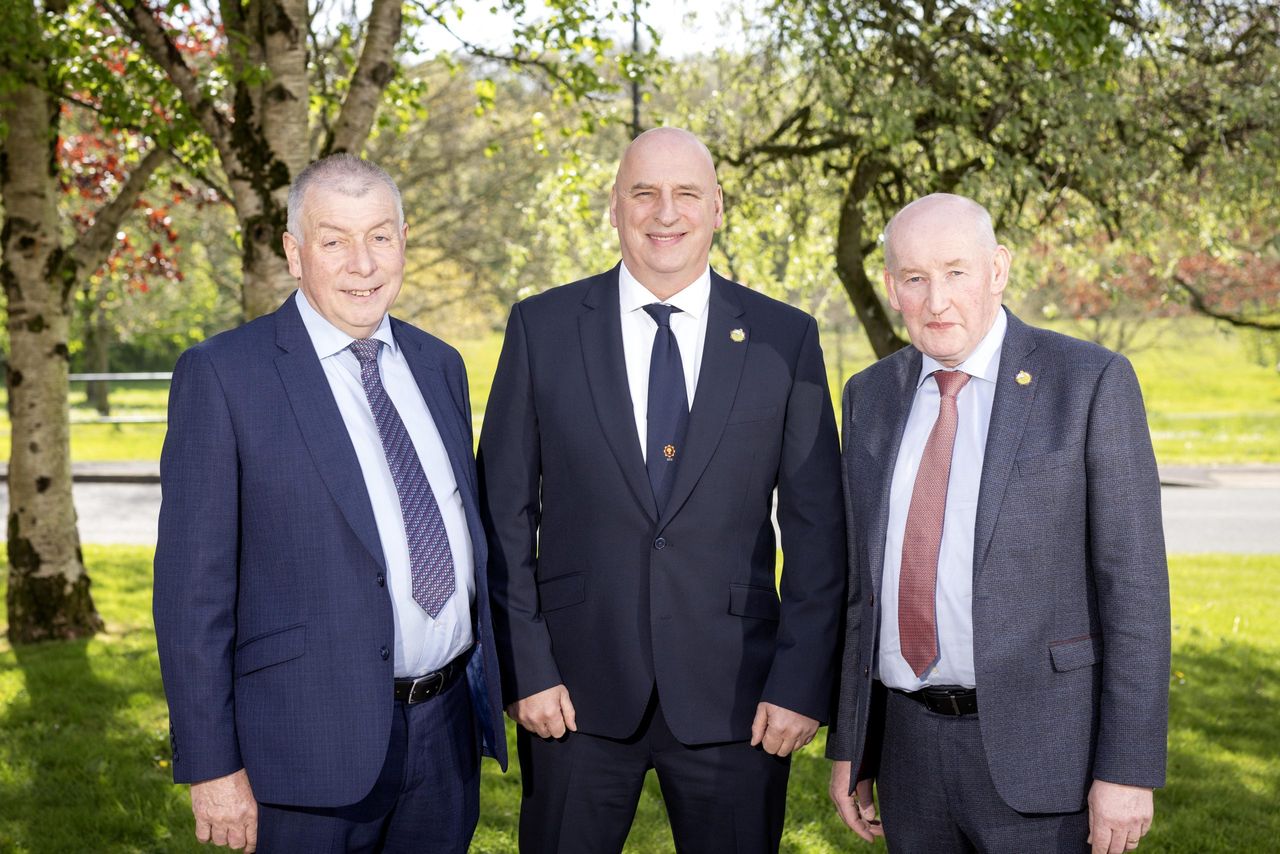
There is now a belief among some farm organisation leaders that Northern Ireland’s Nutrients Action Programme (NAP) blueprint could be used to resolve other agricultural logjams.
Specifically, members of the Ulster Farmers’ Union (UFU) presidential team strongly believe that the current public consultations on NAP and the eradication of bovine tuberculosis (bTB) can deliver for the benefit of everyone, if common ground can be agreed on by all participating stakeholder organisations.
In the case of NAP, a strong focus has already been discerned where the improvement of water quality across Northern Ireland is concerned.
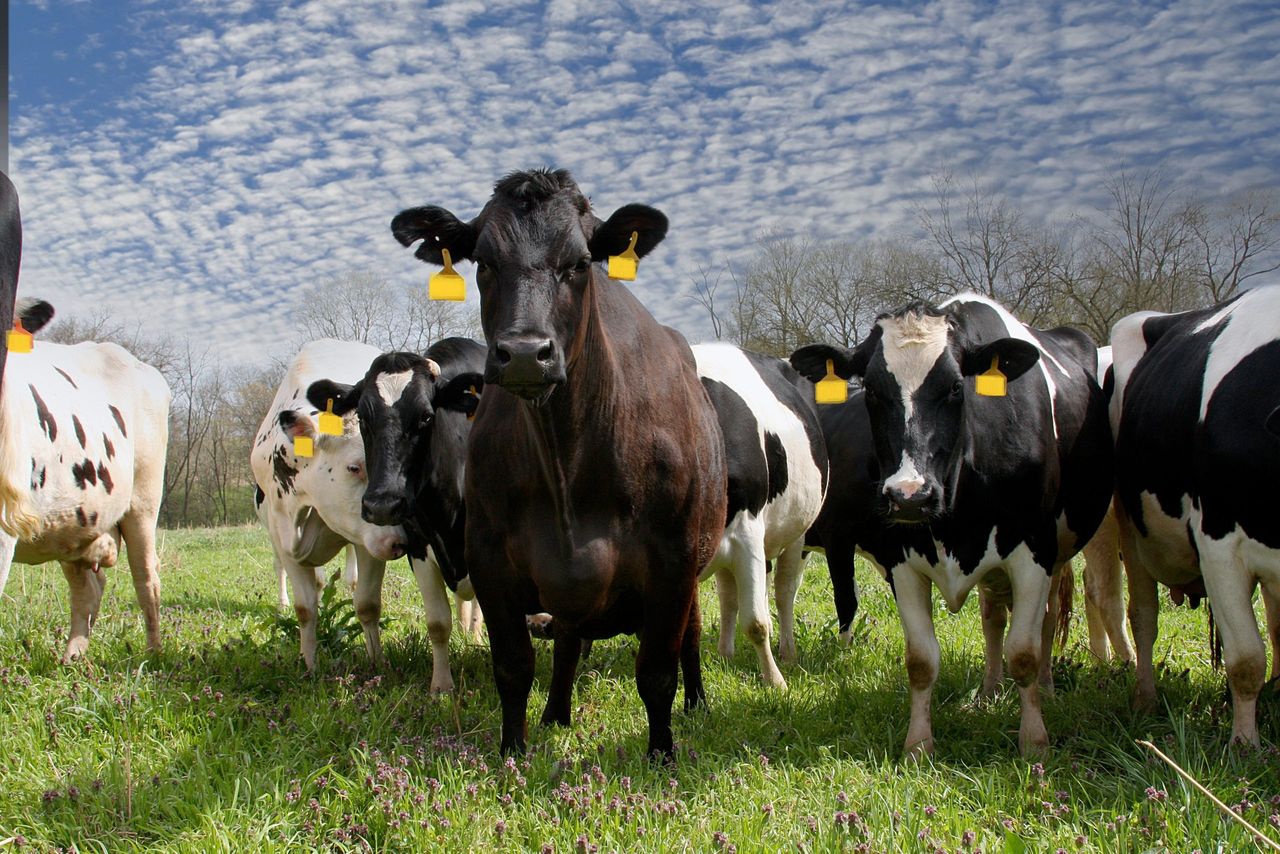
In relation to bTB, union president, John McLenaghan said: "We want to see healthy badgers living in harmony with cattle across our rural areas.
“This can be achieved if all the stakeholder organisations agree to a process of compromise.
“No one is going to get all they want where the key issues that confront agriculture in Northern Ireland are concerned.”
However, specifically regarding bTB, the union’s hierarchy remains fundamentally wedded to the principle of tackling the disease reservoirs that exist in wildlife populations.
UFU deputy president, Glenn Cuddy commented: “We know that the likes of TB-infected badgers are a key source of disease spread into cattle populations.
“The disease is costing many farm businesses a significant amount of money at the present time.
“However, these direct losses takes no account of the emotional stress that bTB is causing so many farm families at the present time.”
Wildlife intervention is where actions are progressed that aim to tackle the maintenance and spread of bTB in badgers.
According to Minister for Agriculture, Environment and Rural Affairs, Andrew Muir, the current bTB consultation sets out the scientific evidence, delivery considerations, and animal welfare implications associated with different approaches to any intervention as part of a wider range of measures to address bTB maintenance and spread.
The options include non-selective culling, selective culling through a test and vaccinate or remove (TVR) approach and vaccination only.
The consultation also seeks views on capture methods and the approach to delivery and funding of any approach which may be progressed.