Farm walk reveals 15% steer performance advantage from grazing trial

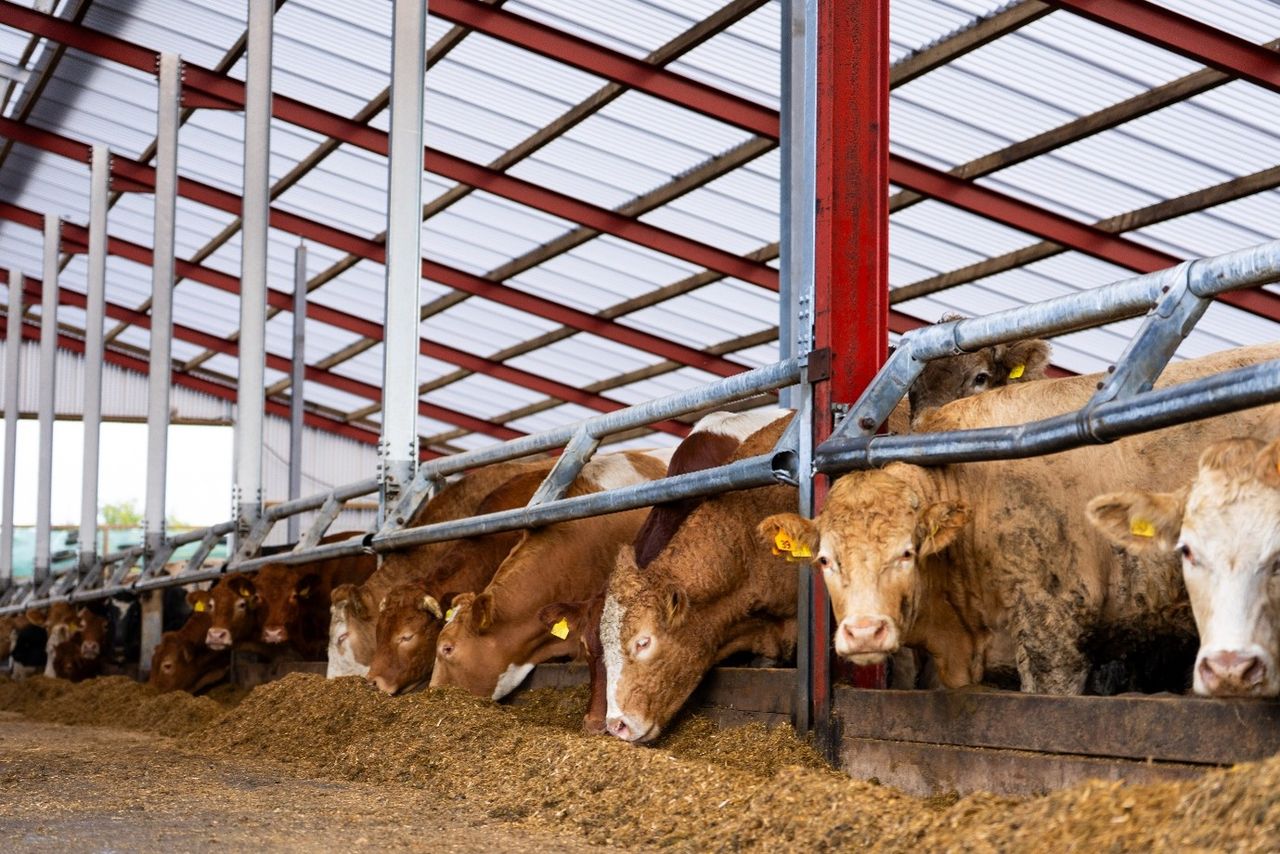
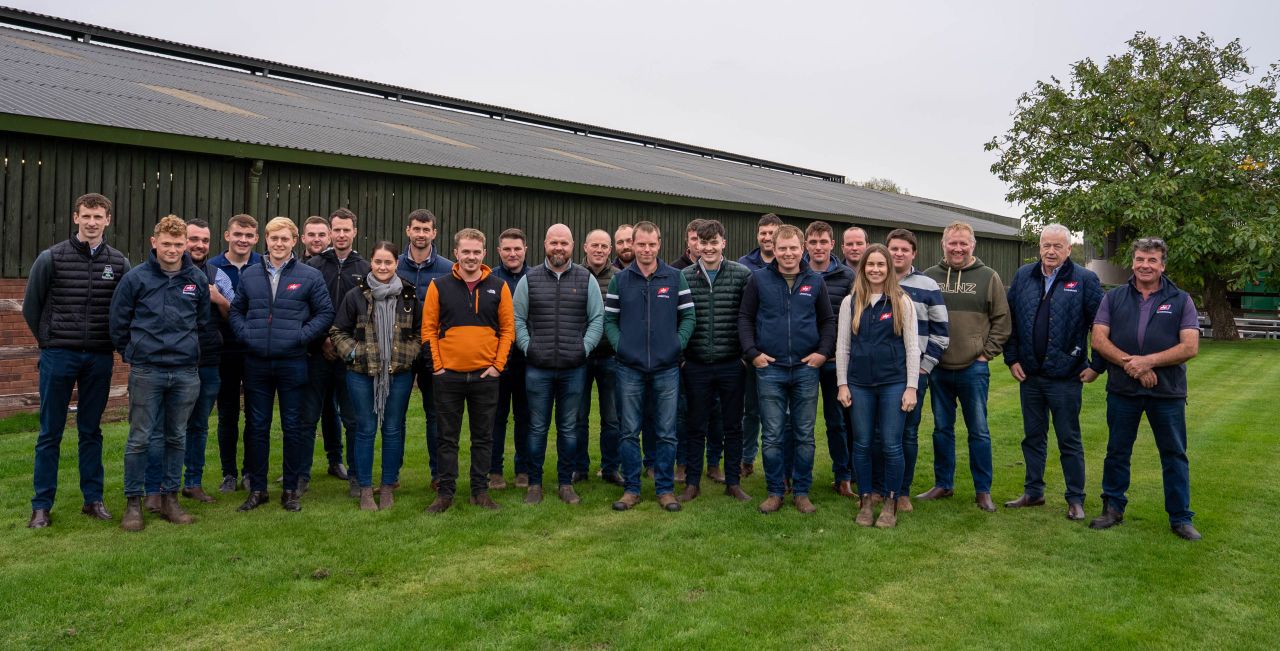
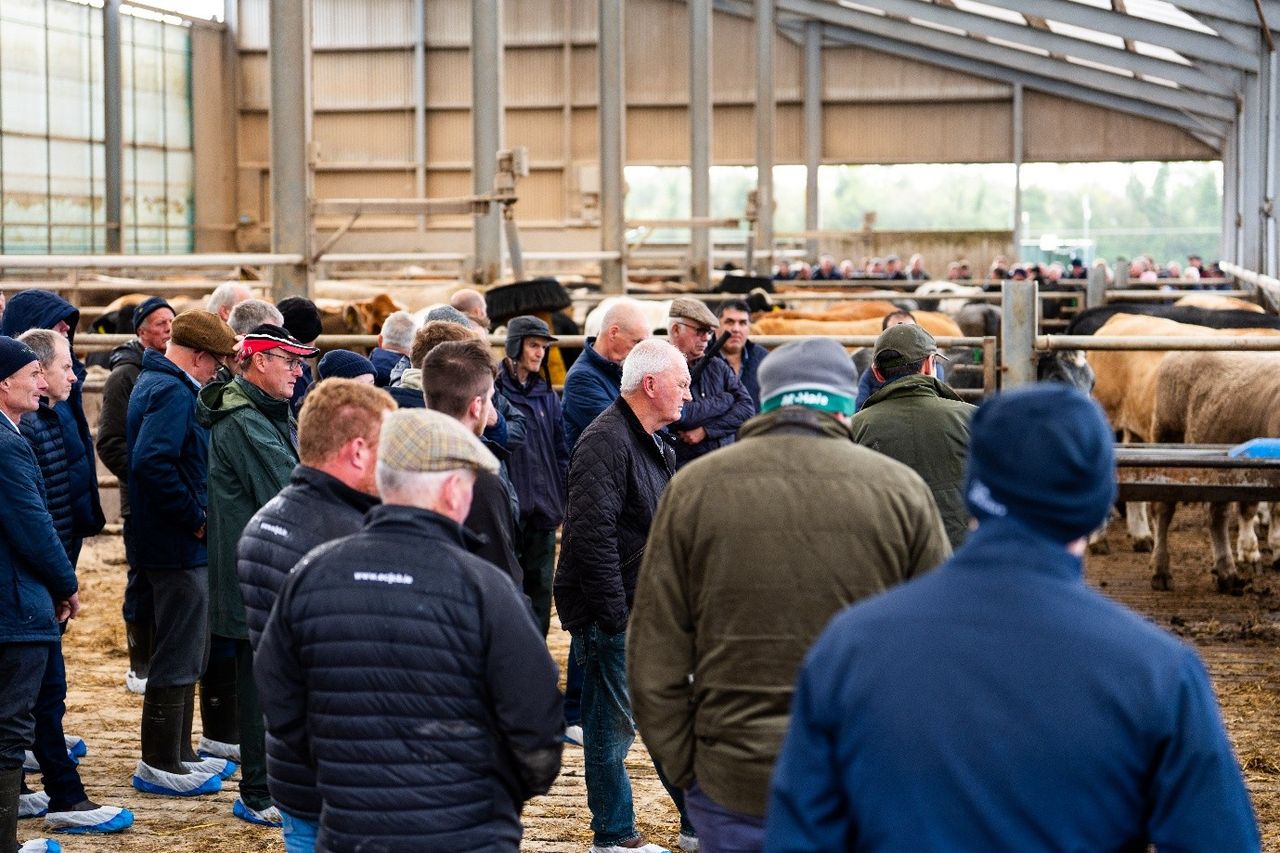
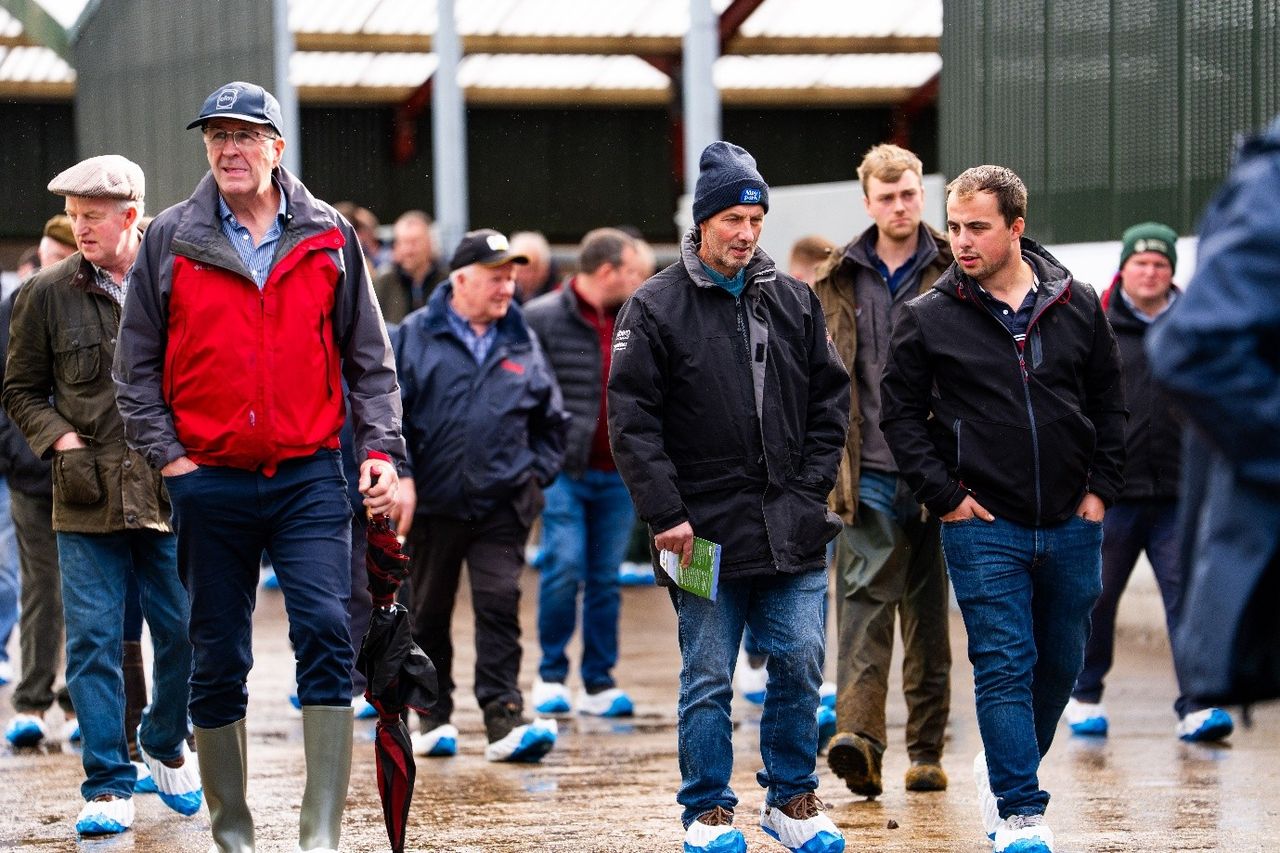
More than 250 farmers travelled to the Foyle Food Group’s ‘Farms of Excellence’ in Co. Tyrone for the annual Autumn Producer Event, with a focus on genetics, nutrition, and animal health.
The first speakers were members of the Foyle Agriculture team, Mark Kissick and Sean McCaughey, who discussed a number of projects undertaken on the Foyle Farm over the past 12 months.
Kissick presented the results of a recent grazing trial involving two batches of homebred steers managed under a rotational paddock grazing system.
Both groups received free-access minerals developed in partnership with Techna.
One group also received an additional additive designed to slow the rate of passage of young, lush grass through the rumen.
This was intended to increase the availability of bypass protein for digestion in the intestine, supporting improved growth and performance.
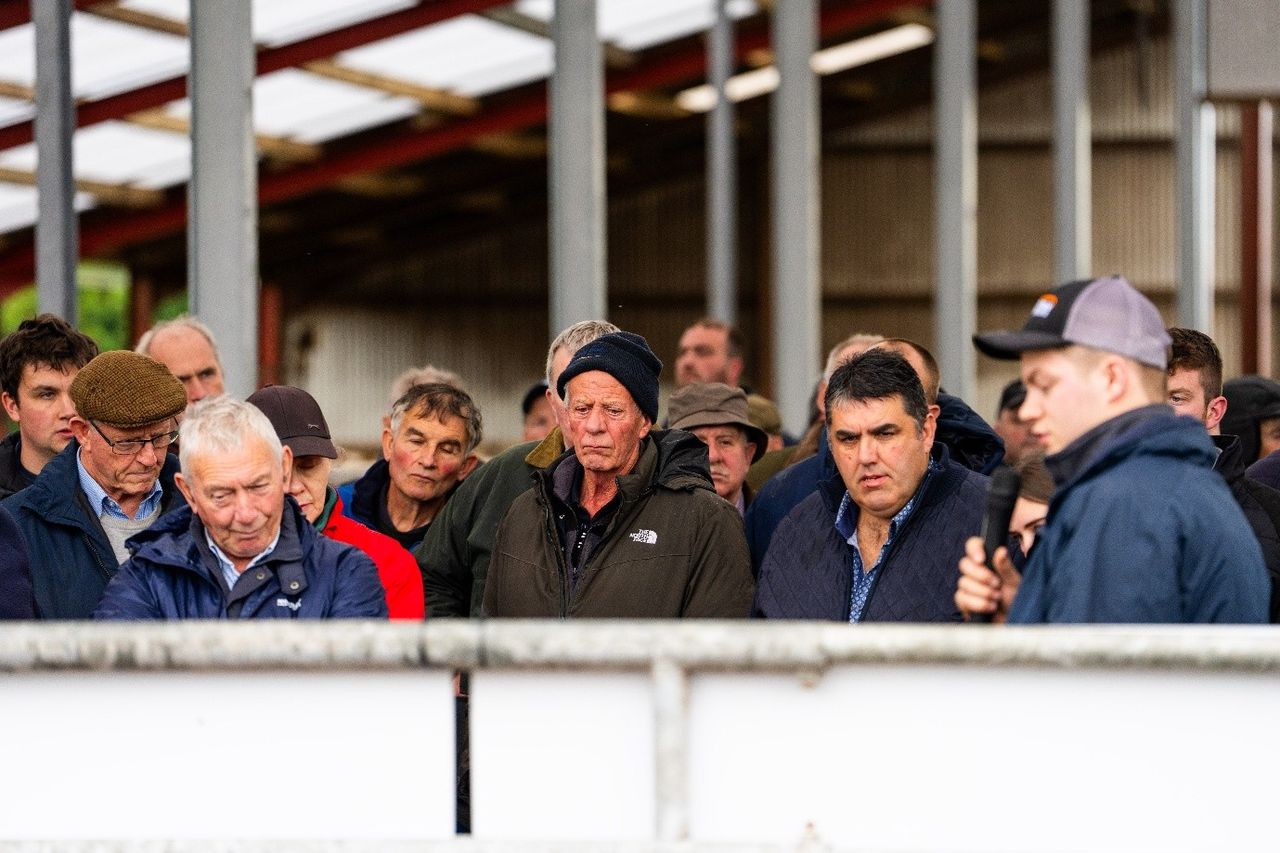
Initial results were encouraging, with cattle receiving the additive achieving a 15% performance advantage and average daily liveweight gains of 1.15kg/day at grass.
Kissick also discussed alternative feeding programmes for the farm's homebred steers, which are predominantly bred from Galloway-type cows crossed with top 1% Aberdeen Angus sires.
Steers finished from the farm this year were slaughtered at an average age of 490 days and achieved an average carcass-weight of 346kg, demonstrating the impact genetics can have on lifetime performance.
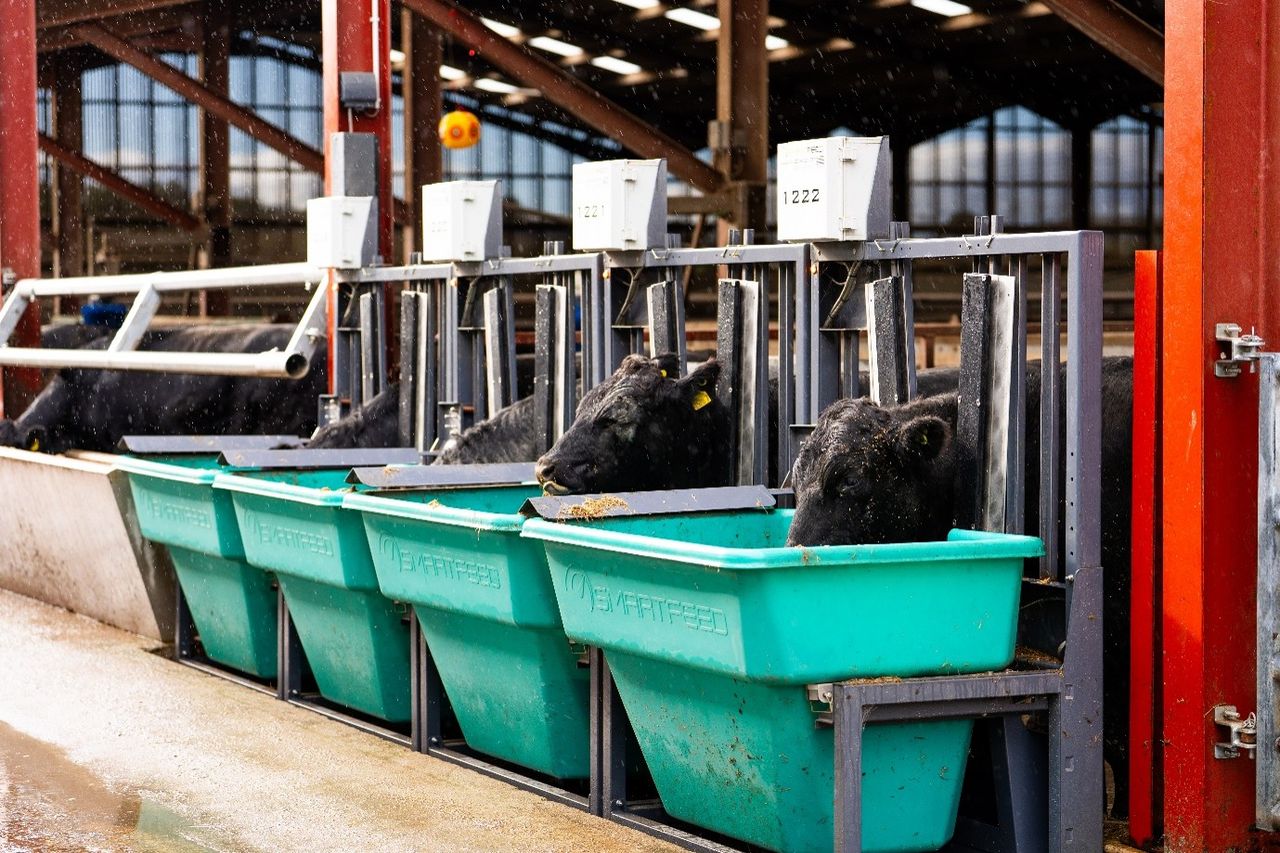
McCaughey spoke about the introduction of an Aquaox Nanobubble Generator on the farm.
The system produces nanobubbles that improve oxygen availability in the water supply, helping to clean drinkers and pipework by reducing biofilm build-up and improving overall water hygiene.
According to McCaughey, by supporting better water quality, the system has the potential to improve hydration, nutrient utilisation and feed efficiency, contributing to enhanced animal health and performance.
Genetics and feed efficiency
Andrew Clarke, agriculture manager at Foyle, and Eamon Kelly, business development manager with Aberdeen Angus Quality Beef (AAQB), discussed the latest developments within the Superior Genetics Programme.
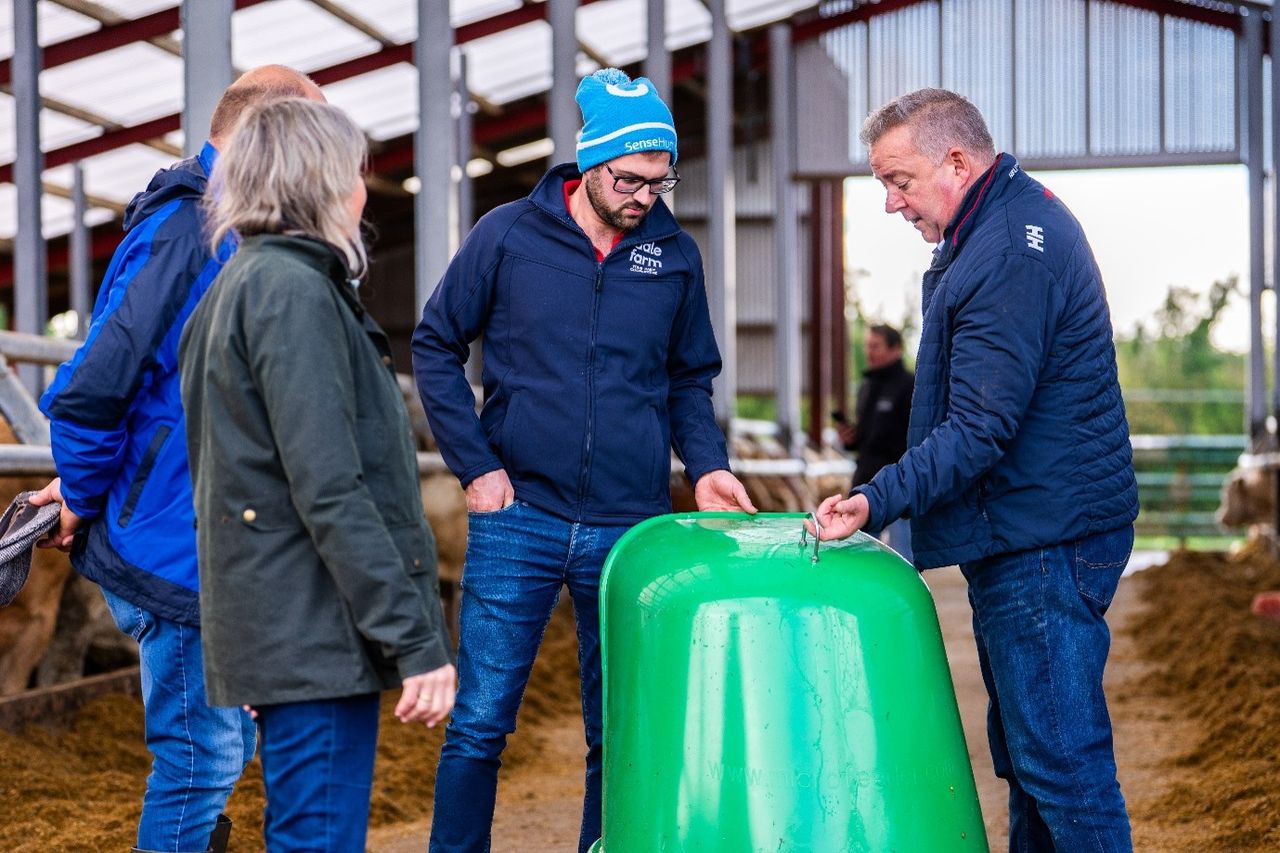
Clarke introduced the recently installed feed efficiency bins on the Foyle Farm, which will monitor individual animal feed intake during a set trial period to determine feed efficiency.
The aim of the project is to compare the feed efficiency of progeny from bulls within the Superior Genetics Programme against each other, as well as against progeny from other artificial insemination (AI) sires of a similar background.
Kelly presented performance data from some of the programme's latest sires.
He highlighted that progeny from Rawburn Jin Eric that were slaughtered in 2026 finished 49 days earlier than the average of all sires while producing carcasses that were 19.6kg heavier.
Kelly also outlined a number of incentives available to Aberdeen-Angus Quality Beef (AAQB) members, including bonus schemes for Aberdeen Angus producers and access to genetics through the Foyle and AAQB Superior Genetics Programme.
Genetics
Lois McConaghy from Sustainable Ruminant Genetics (SRG) and Eoin Frawley from Irish Cattle Breeding Federation (ICBF) continued the discussion on the role of genetics in improving profitability within beef production systems.
McConaghy introduced the Bovine Genetics Project to Northern Ireland suppliers and outlined the benefits that beef finishers can achieve through the Commercial Beef Value (CBV).
Frawley demonstrated the CBV in practice using performance and profitability data from Aberdeen Angus and Hereford dairy-bred steers finished in 2025, showing how animals with higher CBV figures can deliver increased financial returns for finishers.
All interested in signing up to the Bovine Genetics Project and taking advantage of the opportunity to genotype all breeding animals within their herd can find further information and register at the SRGNI website.
Wholecrop winter wheat
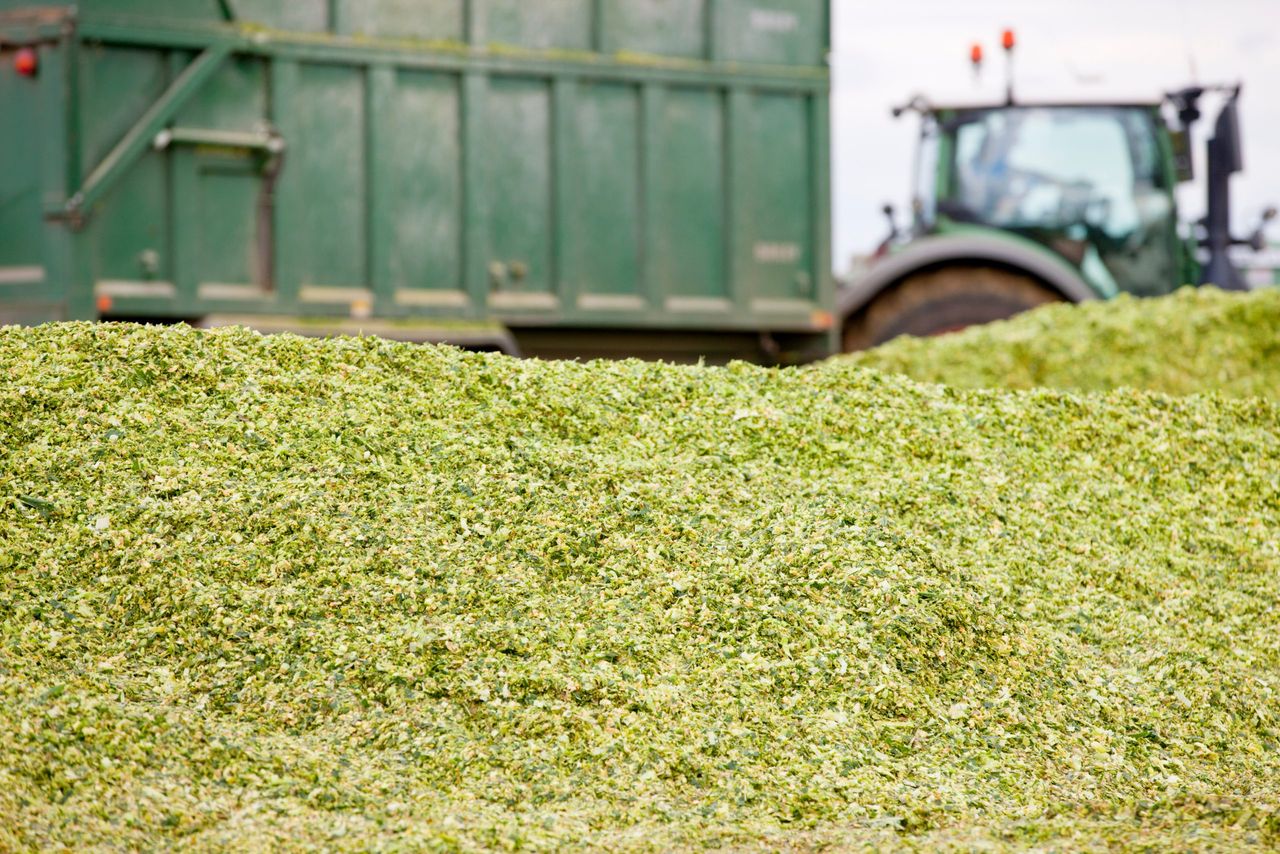
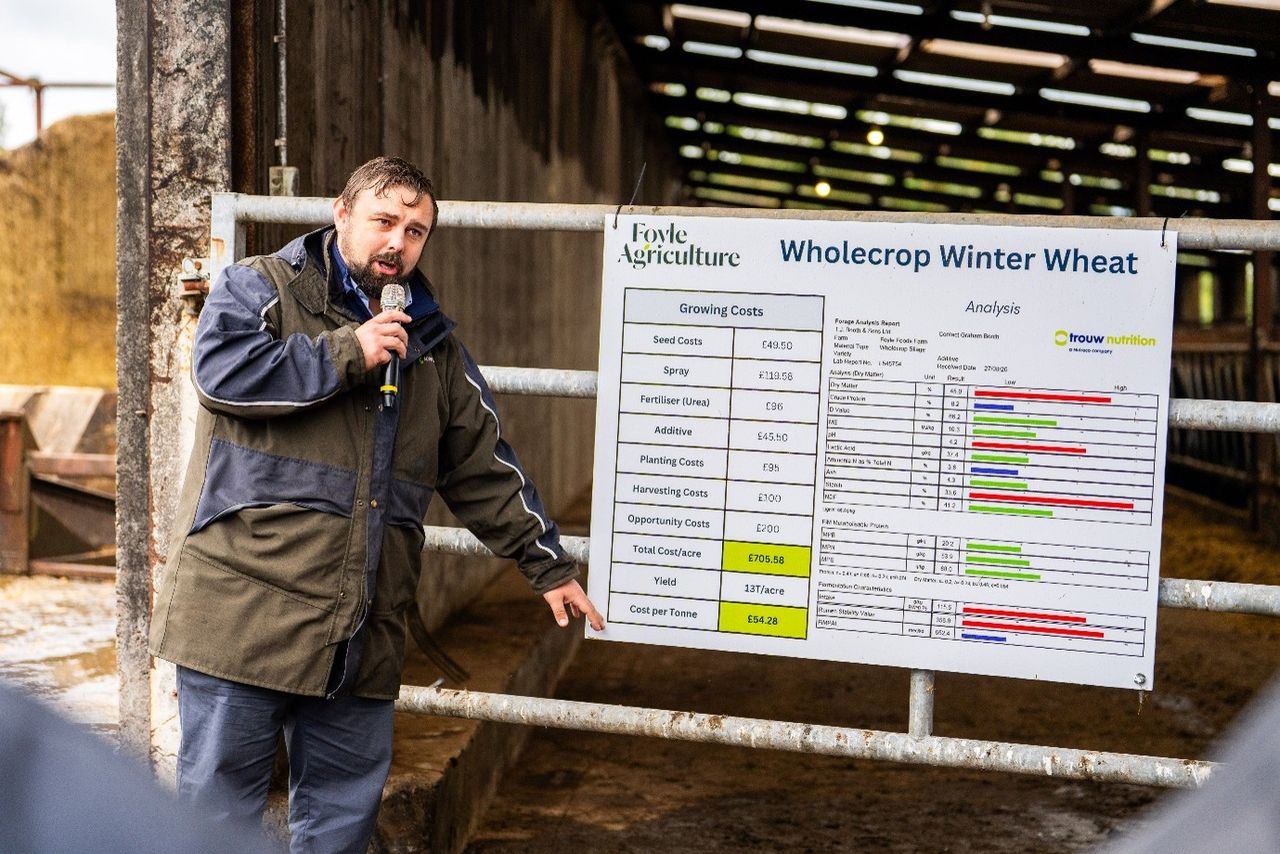
The final speakers on the farm walk were Gary Spence and James Wallace from Fane Valley, who discussed the winter wheat wholecrop grown on the Foyle Farm during the 2026 season.
They outlined the performance of the crop, forage analysis results and the opportunities alternative forages can provide to beef producers looking to improve efficiency and reduce production costs.
With feed costs a major factor in beef finishing systems, the speakers highlighted how home-grown forages such as wholecrop cereals can reduce reliance on purchased concentrates while providing a valuable source of energy for finishing cattle.
Producers also heard how incorporating different forage types can help balance diets more effectively, maintain adequate fibre levels for rumen health, and support higher dry matter intakes.
Improved forage quality and intake can contribute to better feed efficiency, helping cattle convert feed into liveweight gain more effectively.
The ability to utilise alternative forages was also highlighted as a useful tool for managing fluctuating feed prices and improving resilience within beef production systems.
Farm safety
Following the farm tour, attendees gathered for a series of indoor presentations covering farm safety, calf rearing and nutrition.
William Johnston, group health and safety manager at Foyle Food Group introduced the session before James Fenton interviewed a local farmer, Billy Brewster from Portglenone, who shared his personal experience of being overcome by slurry gas.
His account reinforced the importance of establishing and following safety procedures to protect both farmers and livestock.
Another presentation was delivered by Anita van der Molen from Prominend, who spoke about the key principles of successful calf rearing.
Her presentation focused on the importance of providing young calves with the correct nutrition from an early age and selecting a milk replacer that is suited to the feeding system being used on farm.
Van der Molen explained that skimmed-milk-based products contain casein, a high-quality milk protein which forms a curd in the calf's abomasum following feeding.
This slows the passage of milk through the digestive system, allowing protein and energy to be released and digested over a longer period.
As a result, these products more closely mimic the digestion of whole milk and can support excellent nutrient utilisation and calf growth, particularly in systems where calves are fed twice daily.
Alongside nutrition, Van der Molen stressed the importance of providing a clean, dry and well-ventilated environment, explaining it is essential for maintaining calf health, minimising disease challenges and achieving strong growth rates.
The presentations were wrapped up by Gareth Anderson of FarmGate Nutrition, who discussed the beef finishing diet currently being fed on the Foyle Farm.
The chosen charity for this year’s event was Rural Support.