Is silage testing the key to cost-saving this winter?

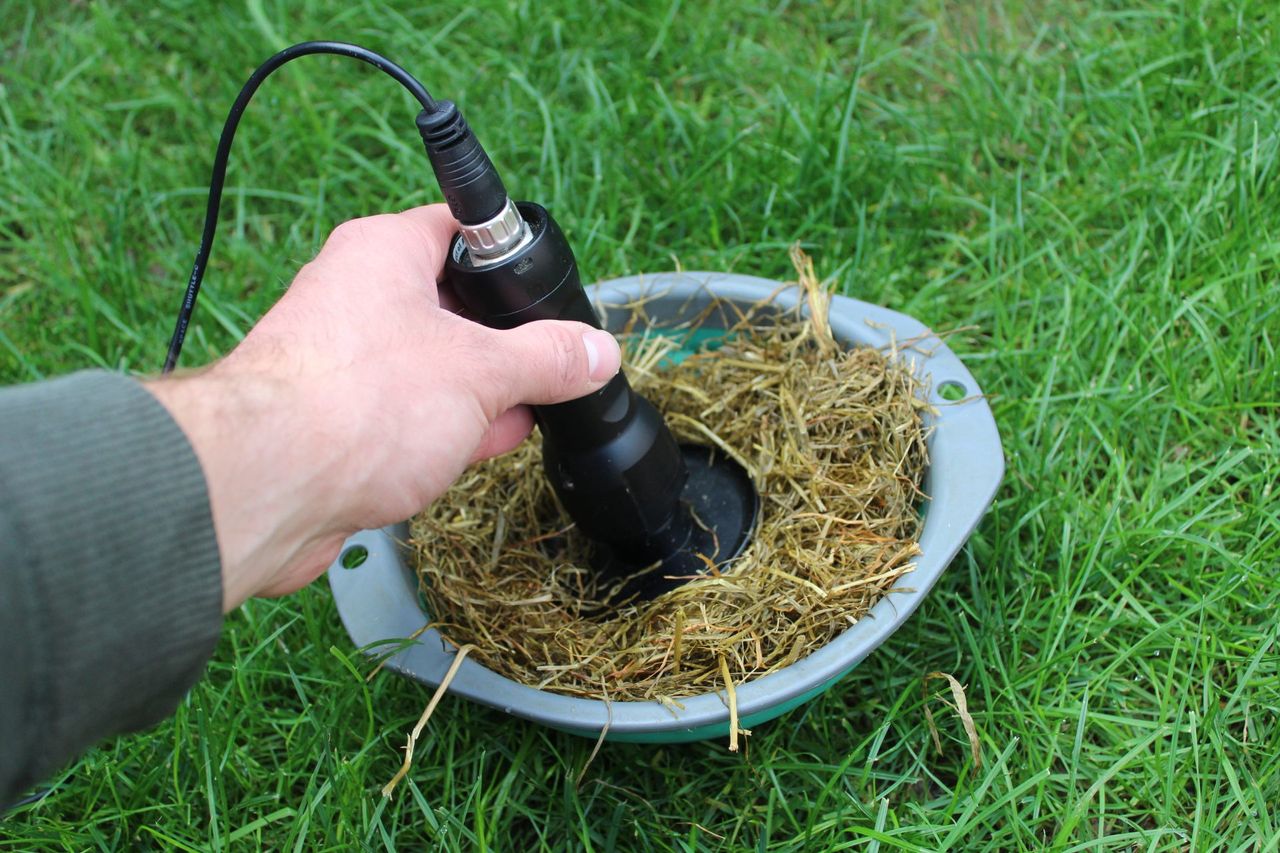
Testing your silage now is a worthwhile activity to meet the nutritional needs of your beef cattle.
With 2026 being a year of such extremes, it is important for farmers to get an up-to-date silage analysis and not rely on previous years' results.
With rain forecast in the coming days and cattle soon coming indoors for the winter, silage analysis will provide farmers key nutritional information and remove the 'guess work'.
With concentrates being so expensive, avoiding over or under-feeding may result in major savings.
College of Agriculture, Food and Rural Enterprise (CAFRE) beef and sheep adviser, Faith Stewart: "Now, as daylight hours and soil temperatures are reducing, combined with increasing rainfall, livestock of all ages and types are being housed.
"As feed costs are a large contributor to variable costs in any livestock system, it is important to monitor silage quality and only balance the ration with concentrates when required.

"Silage analysis provides farmers with the information needed to accurately assess forage quality, make better feeding decisions and improve the efficiency of livestock production."
Testing
Testing should be carried out six weeks after the silage has been harvested, allowing for appropriate fermentation to occur, CAFRE has said.
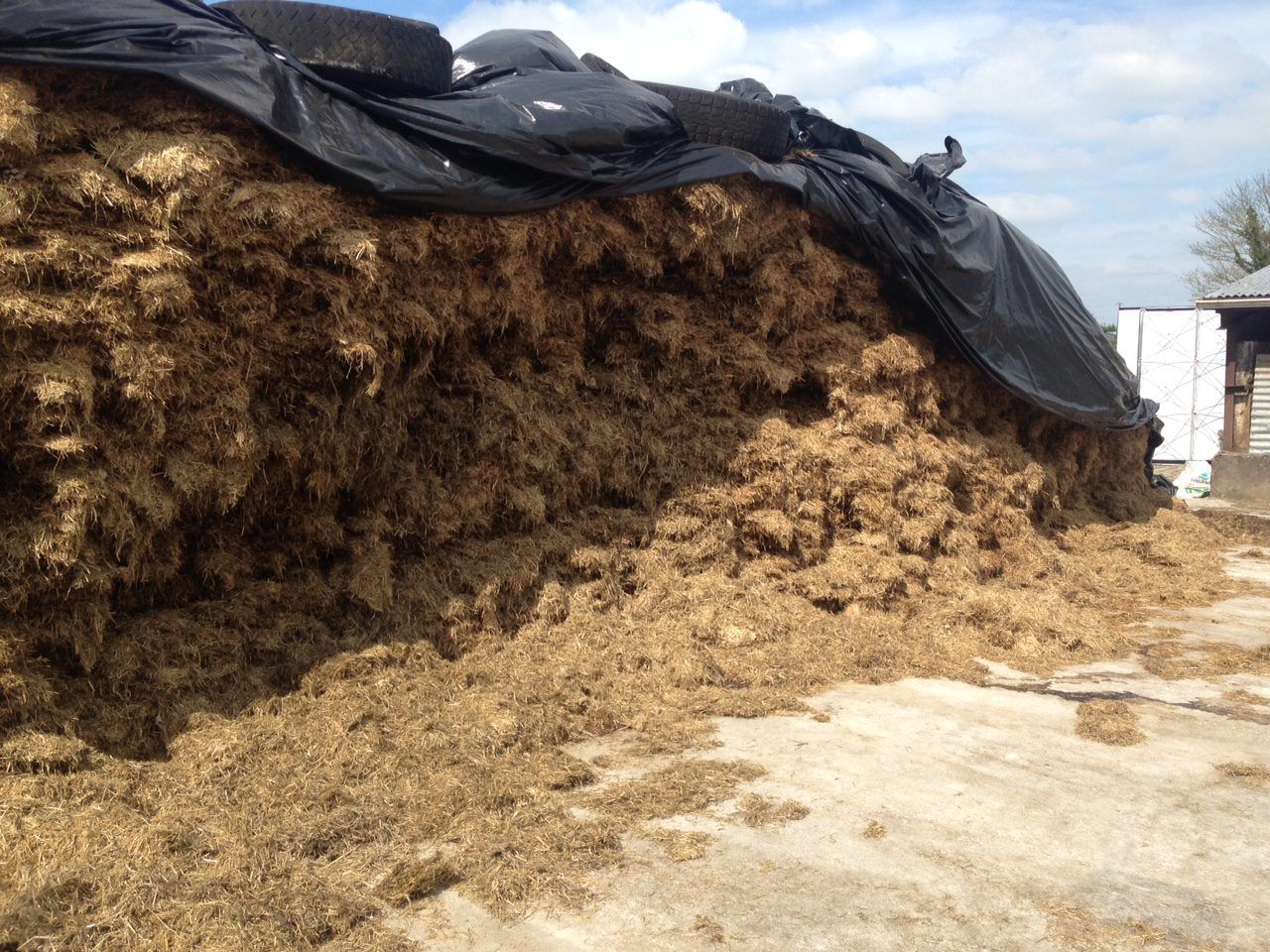
To get a representative sample of your silage clamp, collect 10-12 samples in a 'W' shape across the face of the pit using a core sampler.
For bales, samples from separate fields should be kept apart in order to indicate grass quality and yield in different fields.
Avoid taking samples from areas of waste or spoiled silage, while also removing the air from the sample bag to prevent to deterioration of the silage.
Interpretation
The main values to look out for when reading your analysis are:
- The silage dry matter (DM);
- Energy;
- Protein;
- Fermentation values.
The DM measures how much of the silage is not water, with a lower DM value meaning cattle have more to consume to meet their nutritional needs.
The aim for good silage is 23-30% DM, with lower DM silage being acidic and less palatable, with lower intake as a result.
On the other hand, very high DM silage can lead to poor fermentation, heating and increased spoilage.

Metabolisable energy (ME) regards to the energy available in the silage, with good quality silage being at least 11MJ ME/kgDM.
Protein content within the silage will be displayed as 'crude protein %' (CP %).
Protein levels in grass are largely based on growth stage of the grass that was cut, with young, leafy grass having a higher CP % than old, stemmy grass.
Fermentation values are represented by pH and lactic acid, with a pH of 3.8 to 4.2 ideal.
High pH silage (>4.7) indicates poor fermentation, leading to silage high in butyric acid which spoils easily and lacks palatability.
Low pH silage (<3.6) may lead to secondary fermentation, thus reducing the protein content, increasing lactic acid, and may cause rumen issues, particularly in high energy diets.
Management
Getting your silage tested is the first step in correct feeding management for your beef cattle this winter.
The CAFRE adviser stressed that maintaining a clean silage pit face can reduce spoilage while also reducing mycotoxins in high DM silage.
It allows beef farmers to monitor their animal's nutritional uptake, and make decisions surrounding concentrates based on their silage quality.