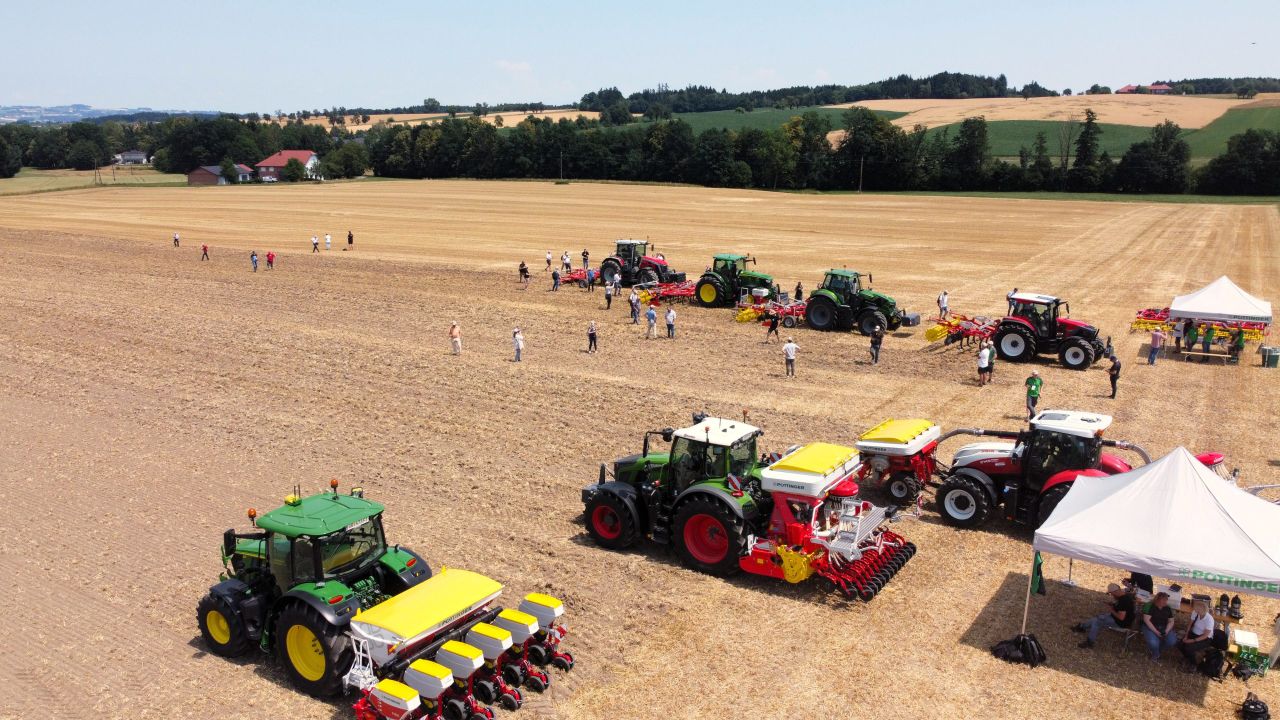
Preventing milk fever: Essential tips for autumn calving

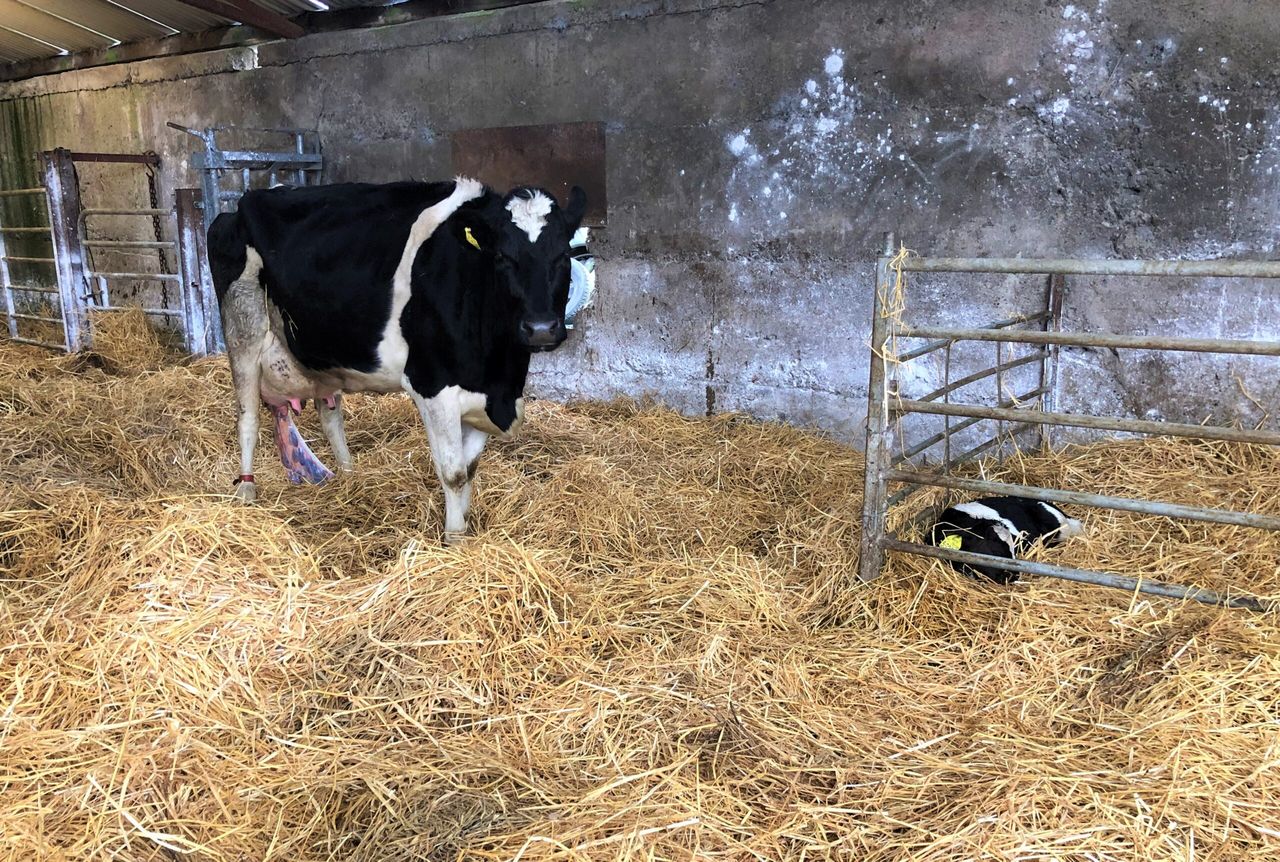
With the autumn calving season approaching, farmers must be on the lookout for the risk of milk fever and any other metabolic issues.
Milk fever (hypocalcemia) is a metabolic disorder where the cow's blood calcium levels drop, typically within 24 hours after calving.
In general, younger cows and heifers are not at as much of a risk of the disorder as older cows are, which is ideal, as a lot of the younger stock will be first calvers especially when farms are running synchronisation programmes.
Meanwhile, older cows who have a poorer fertility will be most at risk, as they often build too much condition due to a longer dry period.
Clinical milk fever is some headache, but having a cow go down with sub-clinical milk fever can be even worse, as the poor performance can go unnoticed or blamed on another issue.
Sub-clinical milk fever can also cause a cow to have slow or lazy calvings, retained cleanings, and uterine infections due to impaired uterine contractions, all expensive issue in a year where margins are already razor-thin.
The cow may have poor muscle function, leading to reduced rumen motility and resulting in a supressed dry matter intake and negative energy balance (NEB).
NEB and reduced intake will impact on milk yield and further increase the likelihood of metabolic disorders such as ketosis or displaced abomasum.
Milk fever in either form can also act as a gateway for other diseases and issues throughout the lactation, impacting the herd's performance and even possibly affecting high achievers.
Preventing milk fever
It is crucial that dry cows are receiving the correct amount of minerals per cow, even if they are still at grass.
Ideally the herd needs 100-120g/cow of minerals each day, especially during the cows' transition period three weeks pre- and post-calving.
It is easy to feed this through the silage when cows are housed, with many farms letting cows in for an hour or two in the morning to consume these in an normal year.
But with fodder tight, the smart choice may be to dust paddocks this year, ideally twice a day with 60g/cow.
Ideally you want to be feeding a dry cow mineral with 22% magnesium and high levels of vitamin D, at least 14,000 units, to prevent milk fever.
If the herd does not receive adequate mineral supplementation at this time of the year, they will be at risk of issues such as clinical and subclinical milk fever; ketosis; retained cleanings; low dry matter intake; displaced abomasum; and/or fertility problems.
Trace minerals like copper, selenium, zinc, etc., should also be fed from at least six weeks pre-calving in order to achieve adequate levels for when they are calving down.
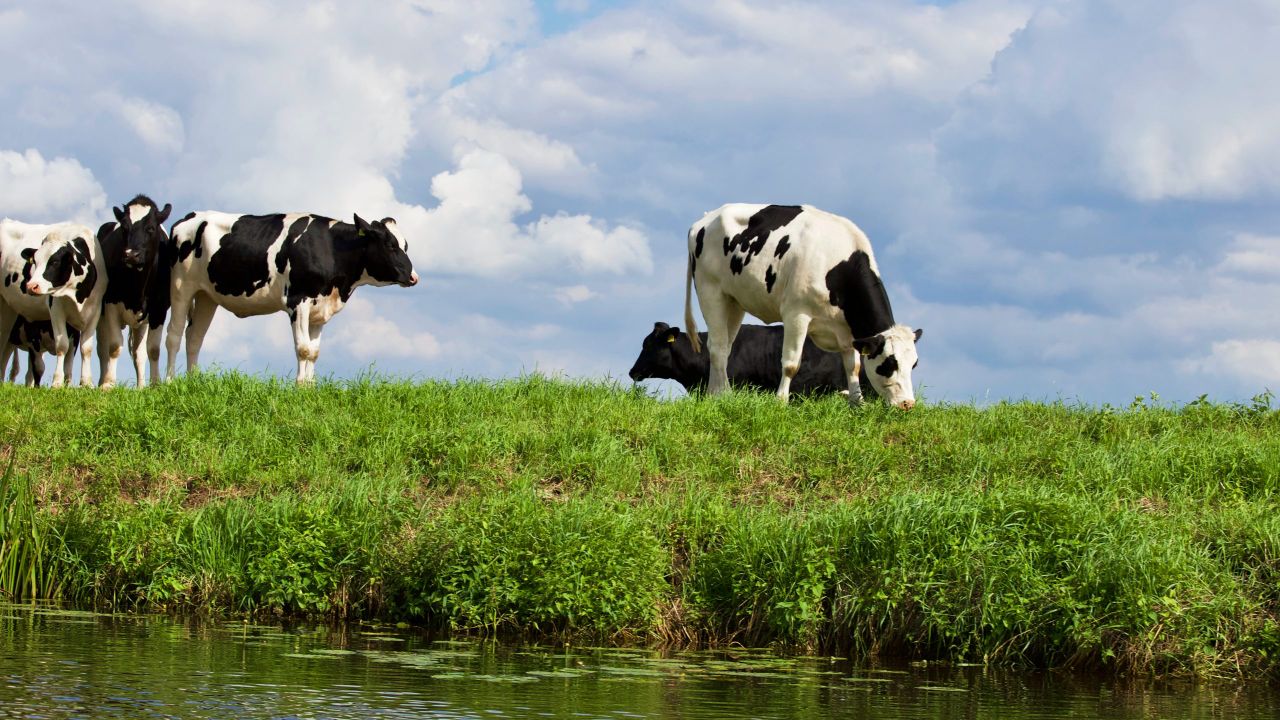
Running a freshly calved group of cows where they are kept indoors and left separate from the milking herd for three to four days until the colostrum period is finished is beneficial, to allow them to get that bit of extra nutrition and care.
Later calving cows should be restricted to 10-11kg DM in November to keep body condition score (BCS) under 3.5.
If they are already over-conditioned, it may be difficult to rectify and should be managed and monitored at the point of calving.
Over-conditioned cows should be separated and their feed restricted, and mainly fed a fibre-rich diet, so their condition is controlled.
Silage testing
Silage should be tested regardless but especially if there has been a history of health issues, such as milk fever at calving, as testing the mineral content of your silage could help rectify any potential causes.
Testing silage for winter milk herds is fundamental in ensuring that cows are getting adequate feed through silage and an appropriate amount of meal is fed to bridge the nutritional gap.
This will ensure cows are fed properly to support production but not over fed, which can be costly.
High potassium (K) silage can often be the cause of the problem, so the farmer should target a low K silage of less than 2.2% from four weeks pre-calving.
A high calcium bolus with vitamin D is recommended instead of straight calcium bottles under the skin for the purpose of preventing milk fever at the point of calving.