Dairy
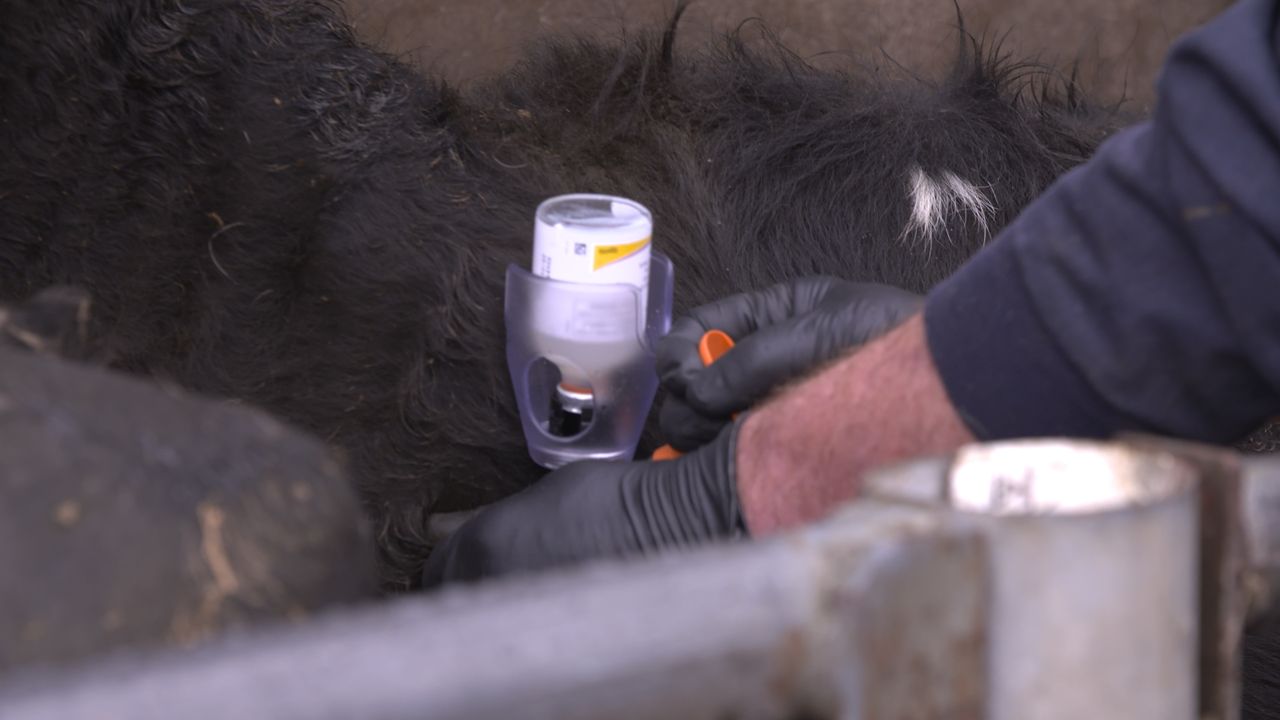
Are farmers making life more difficult for both man and beast by following the traditional vaccination windows?
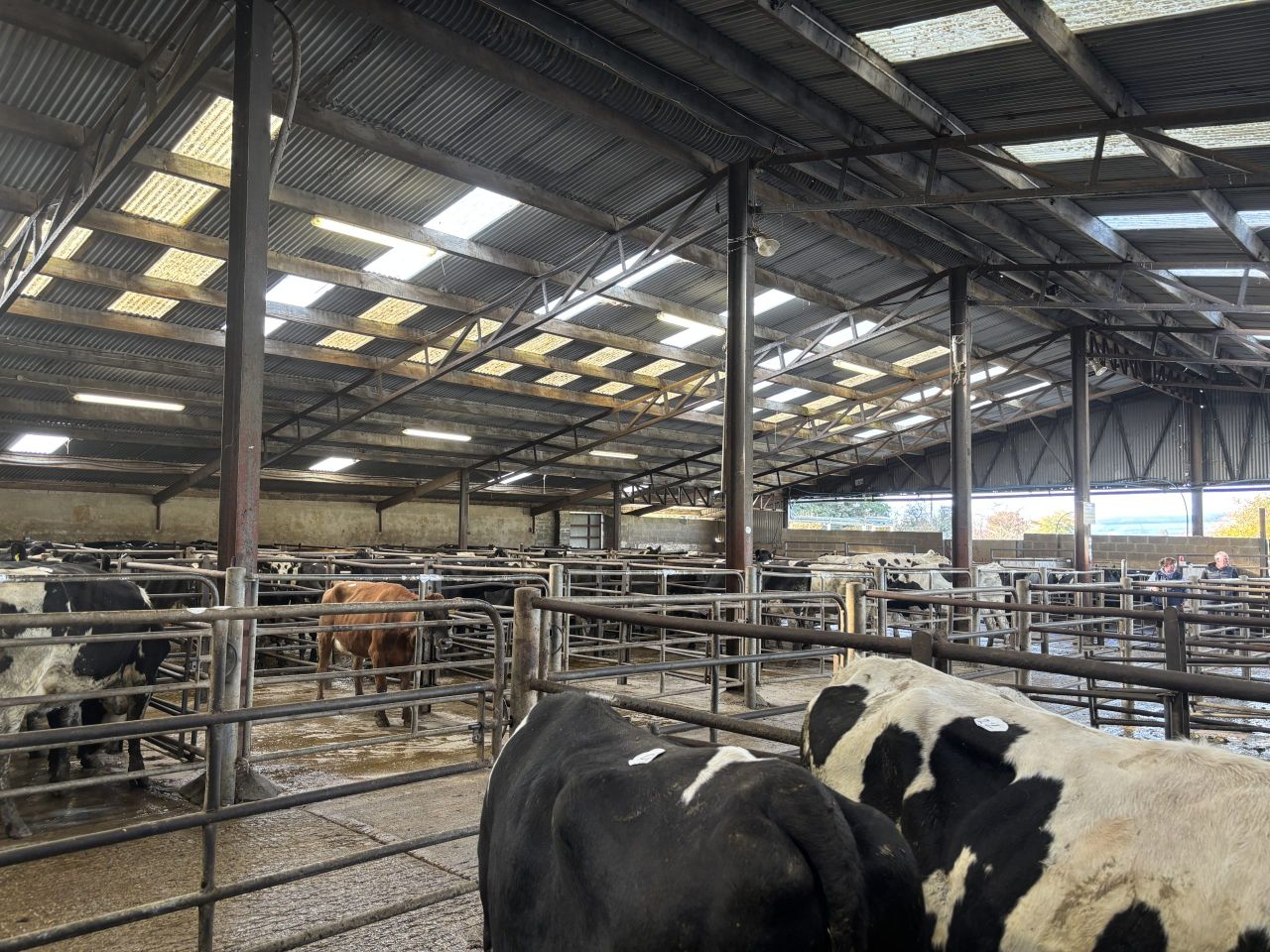
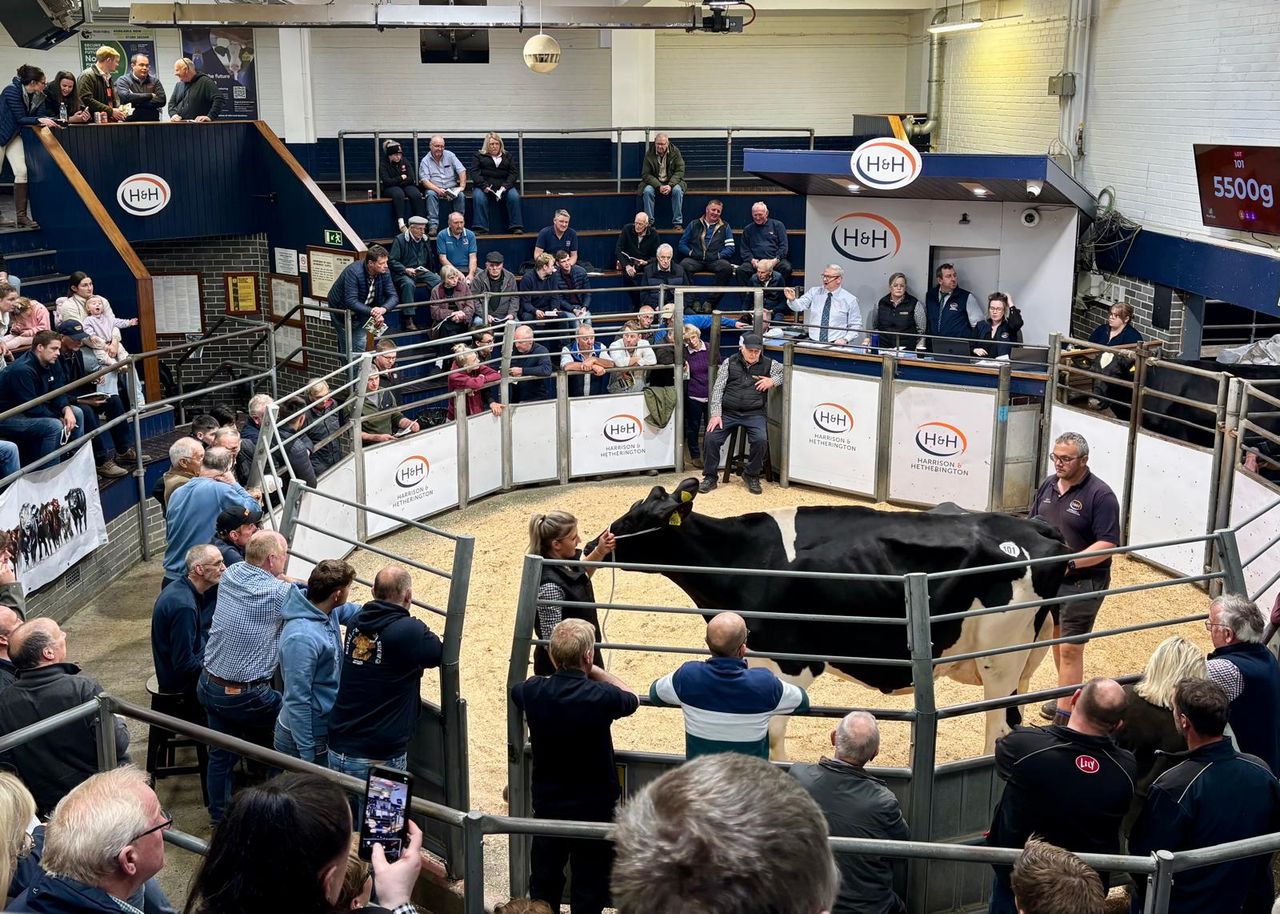
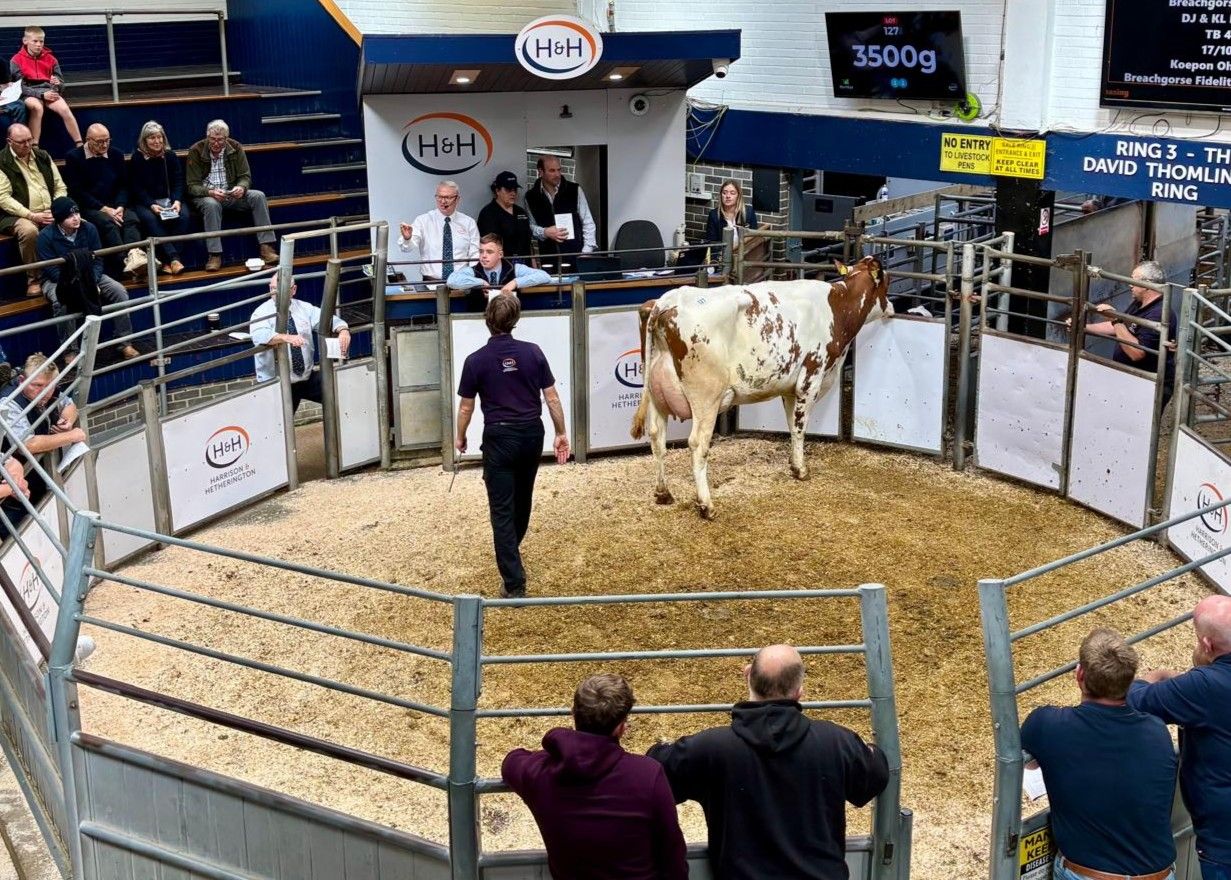
Despite a slow start, the autumn dairy trade is starting to pick up this week, with numerous sales now taking place across the country.
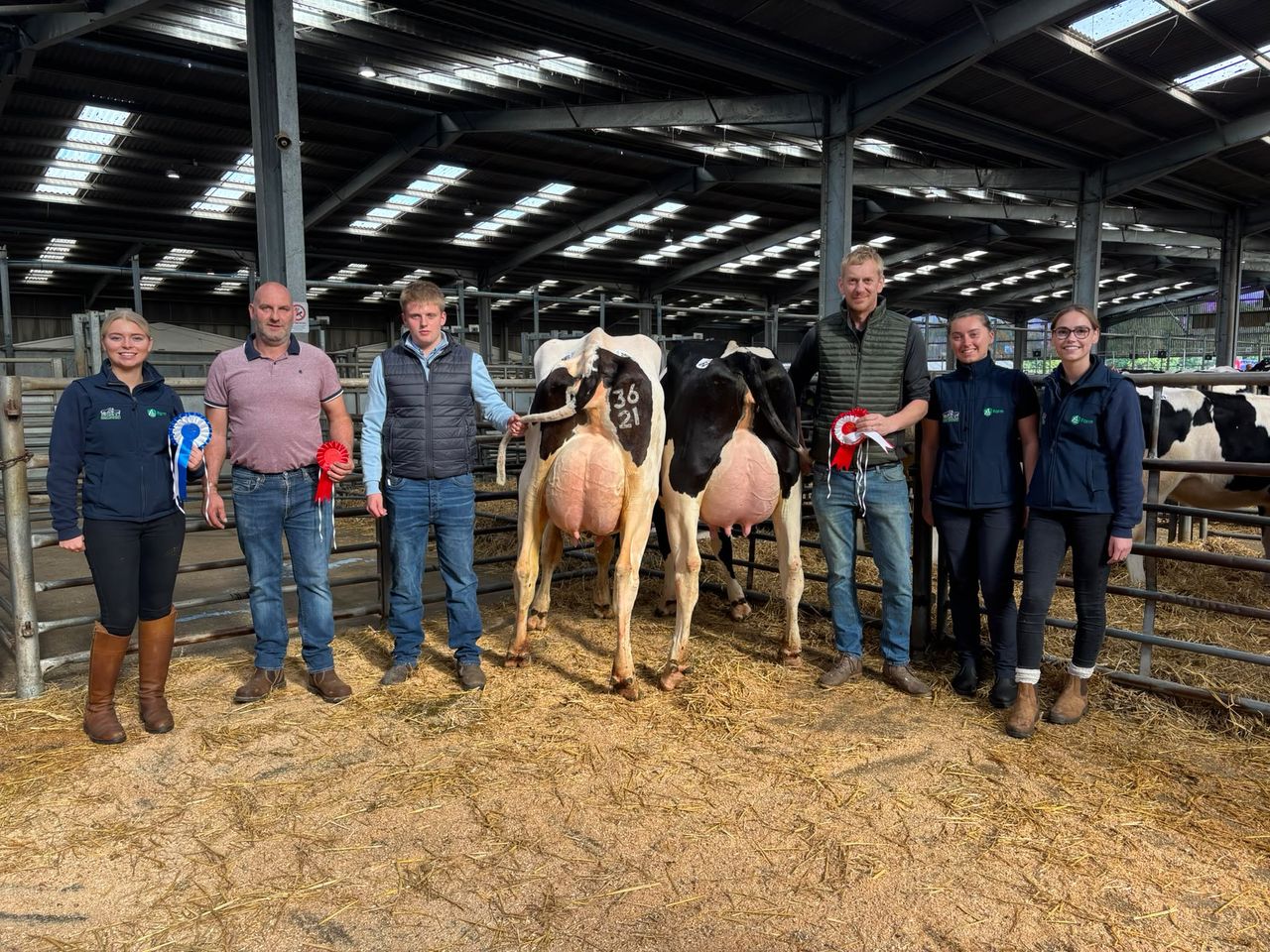
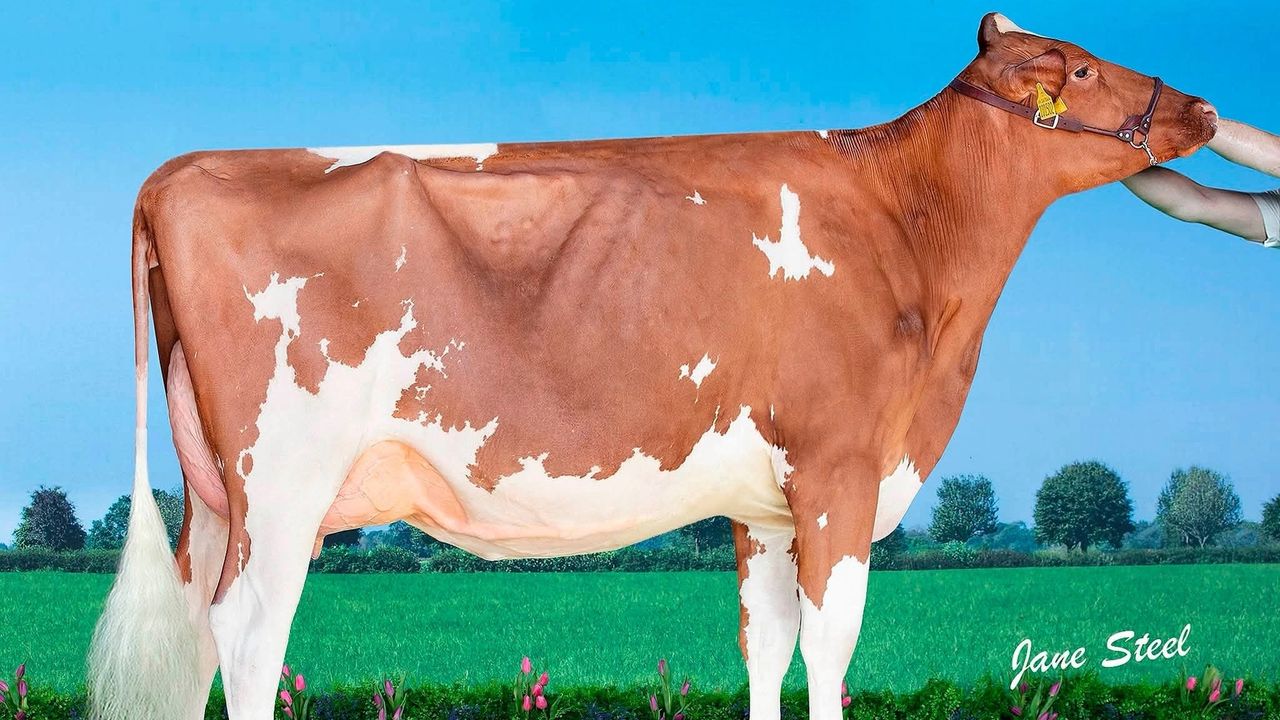
A major reduction sale of red and white cows took place this week, with the sale topping out at 4,600gns the Borderway Mart in Carlisle.
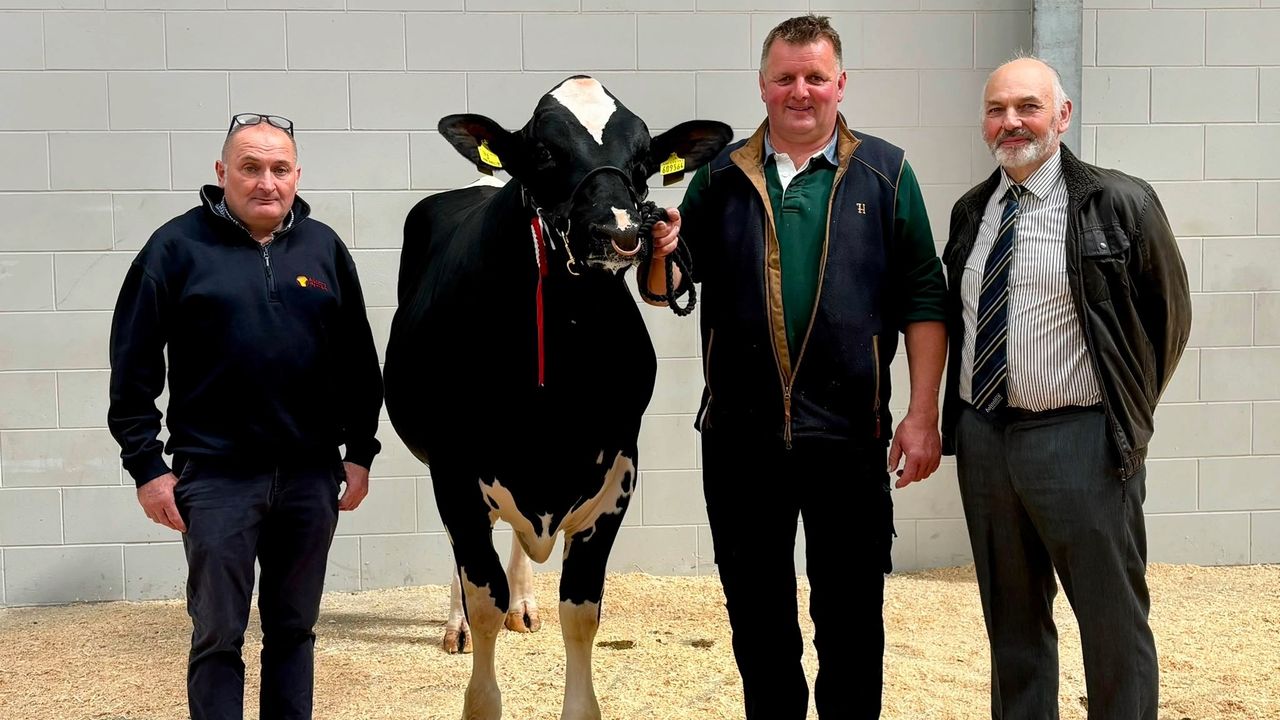
The Barledziew pedigree Holstein herd out of south-west Scotland saw a top price of 5,800gns in its dispersal sale.
Showbox Sires Embryo Extravaganza recently took place online, with a top price of $12,700 achieved in the US-based sale.
The September edition of the monthly Border and Lakeland show and sale saw a top price of 3,700gns this week.
With the autumn calving season approaching, farmers must be on the lookout for the risk of milk fever and any other metabolic issues.
Testing silage has always been a key element in forming a well-formulated, energy rich diet essential for milk production.
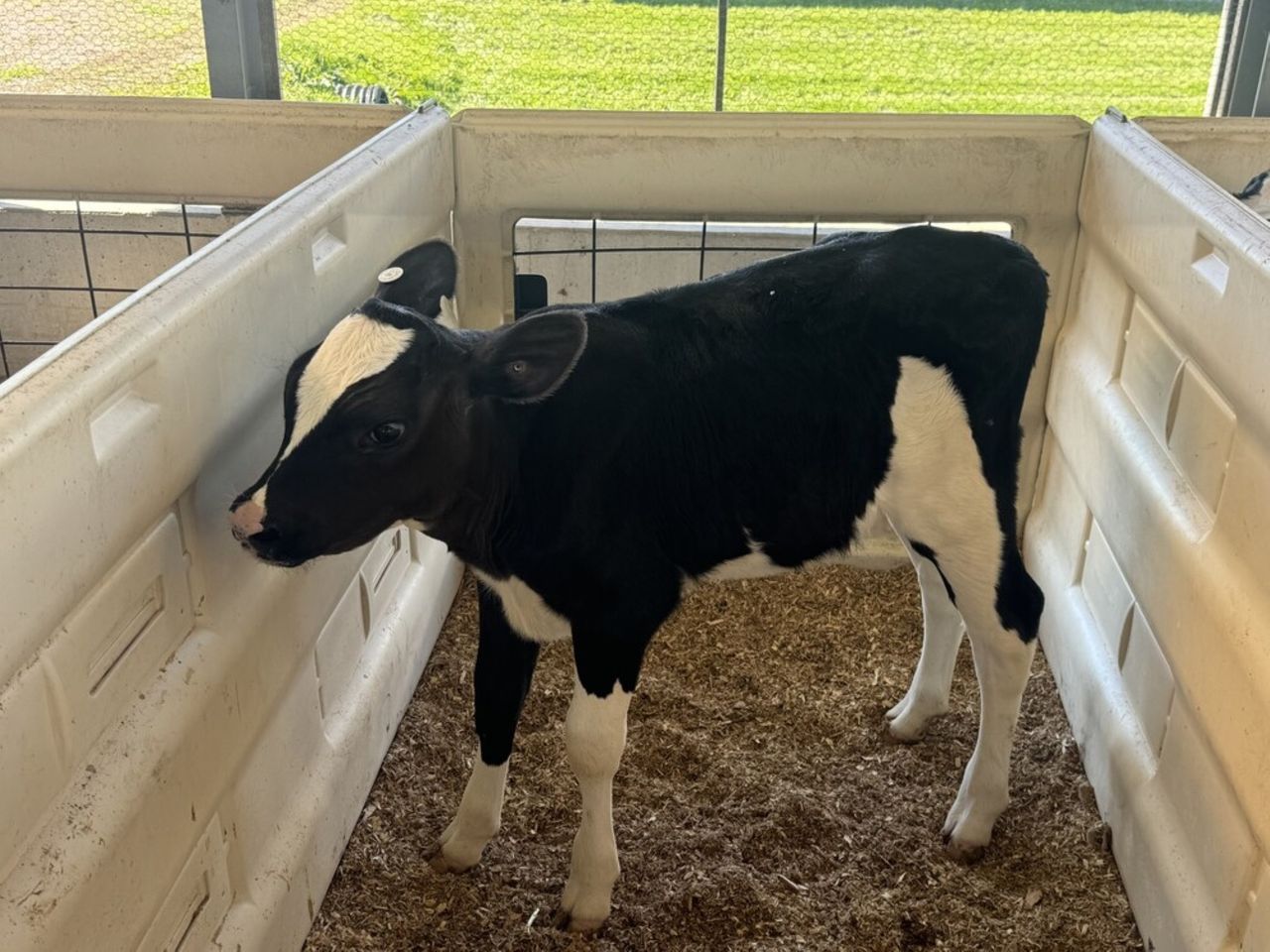
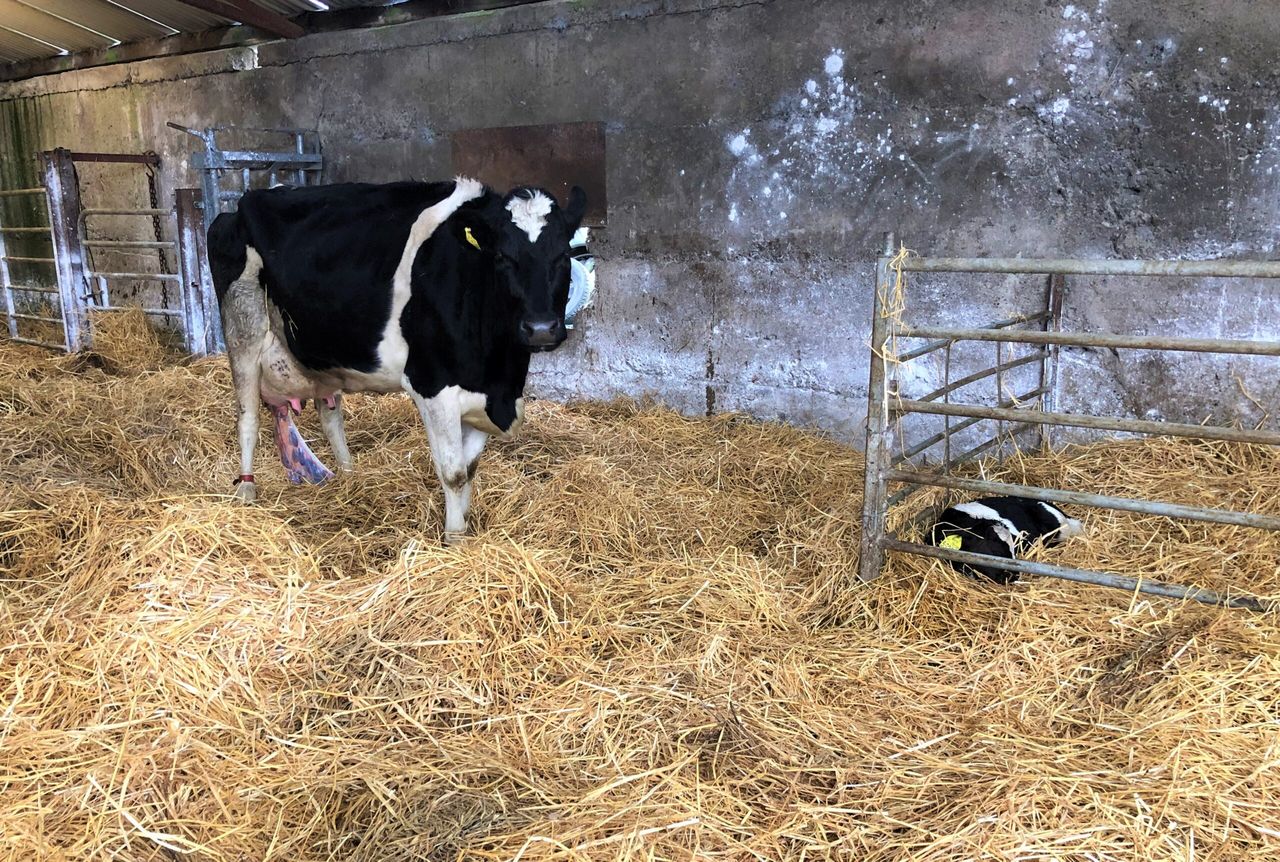
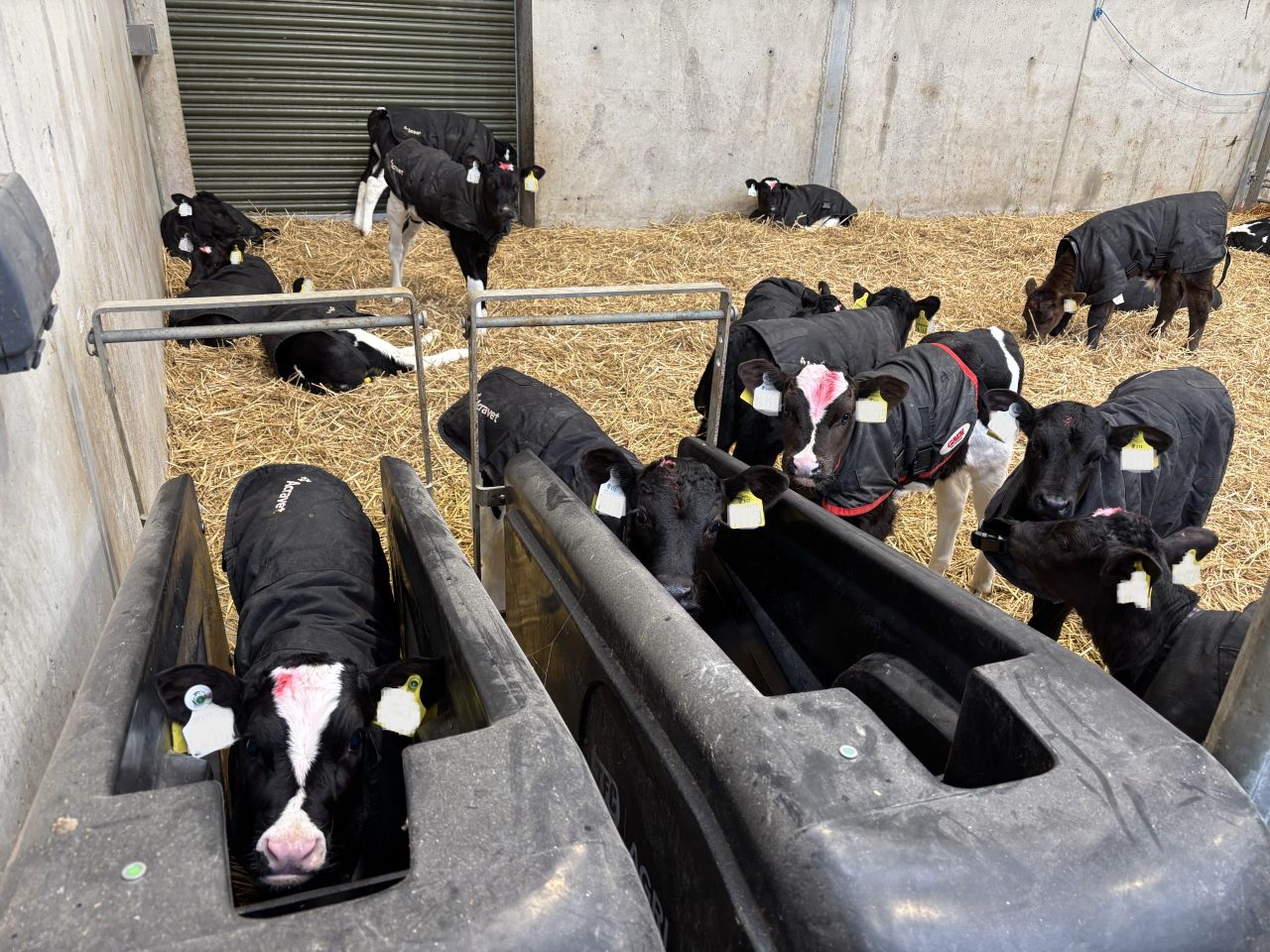
Calving is only around the corner for a lot of autumn herds, meaning preparations for optimal calf health should be well underway.
Machinery
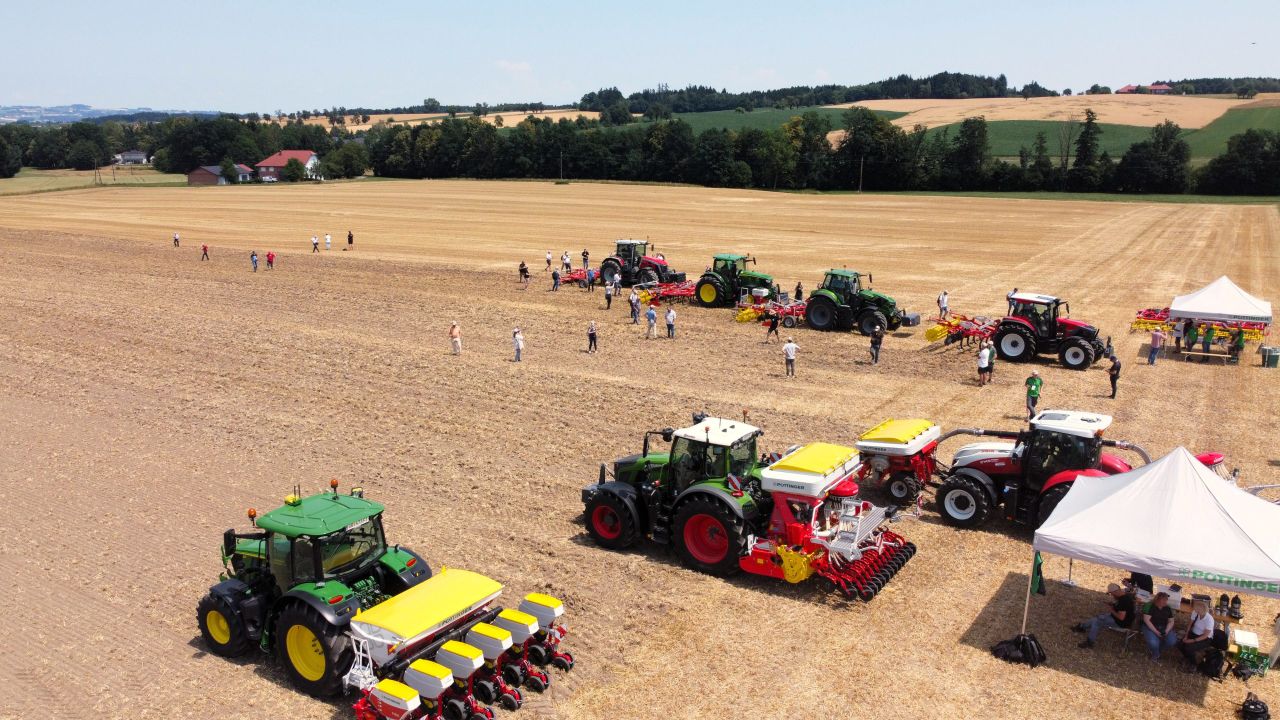
With the harvest now wrapped for the majority of tillage farmers, all eyes will now be on getting crops into the ground.
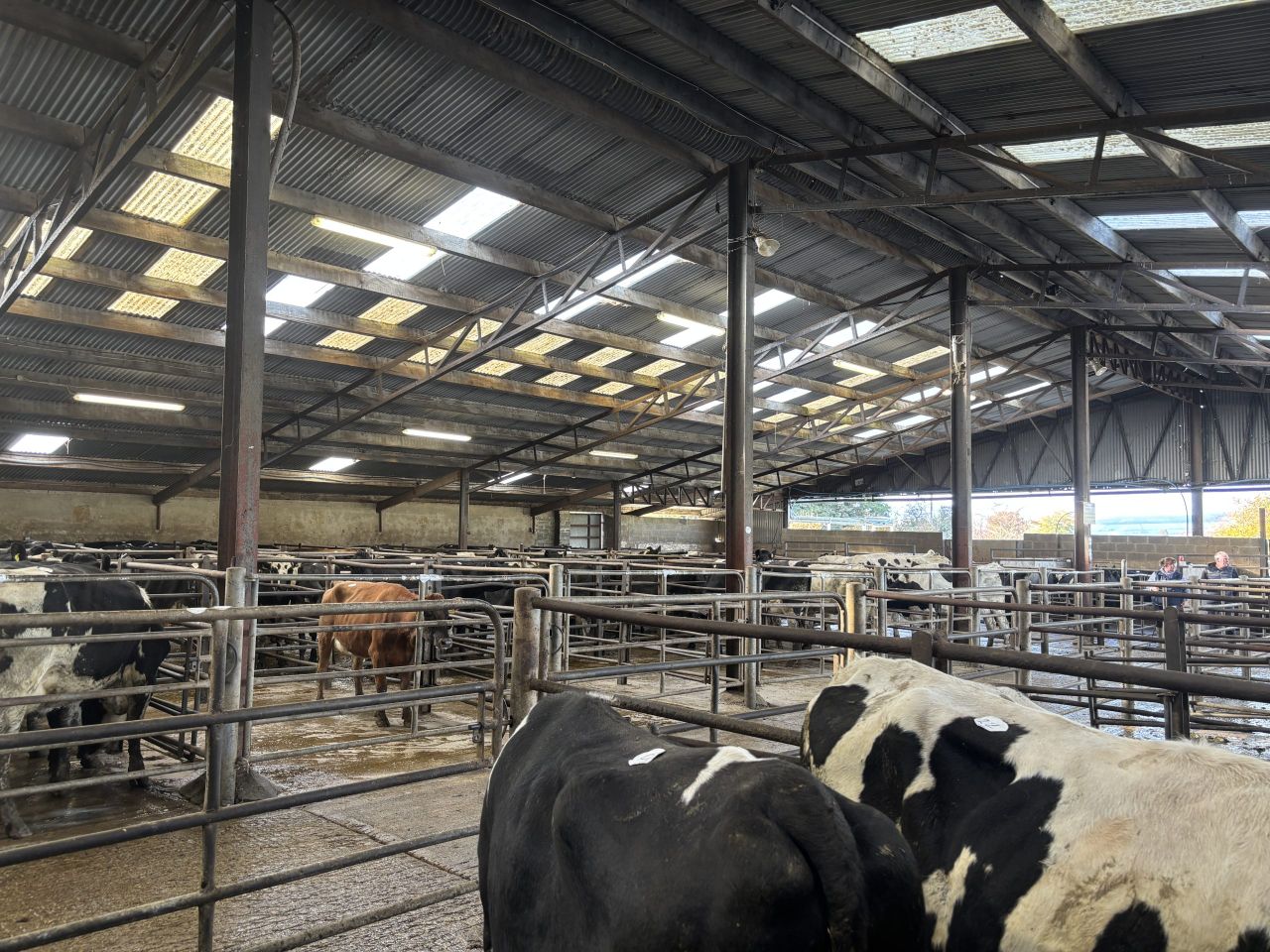
Dairy sales are starting to pick up as we enter the back end of the season, with stock moving through Irish and UK marts once again.
N.Ireland
Despite 942 cases of bluetongue confirmed in the UK during the 2026/2027 season so far, the dairy trade is still holding strong.
With rain beginning to fall following a prolonged period of dry weather, the risk of lungworm is back on the table.
Growing bluetongue concerns in the UK do not seem to be holding back dairy sales, as pedigree stock are making up to 3,650gns.
Farms often see thermoduric bacteria rising in the backend of the year, especially those still dealing with drought conditions.
By this stage of the season, the majority of autumn calving cows should be dried off, leaving farmers to focus on dry-cow management.
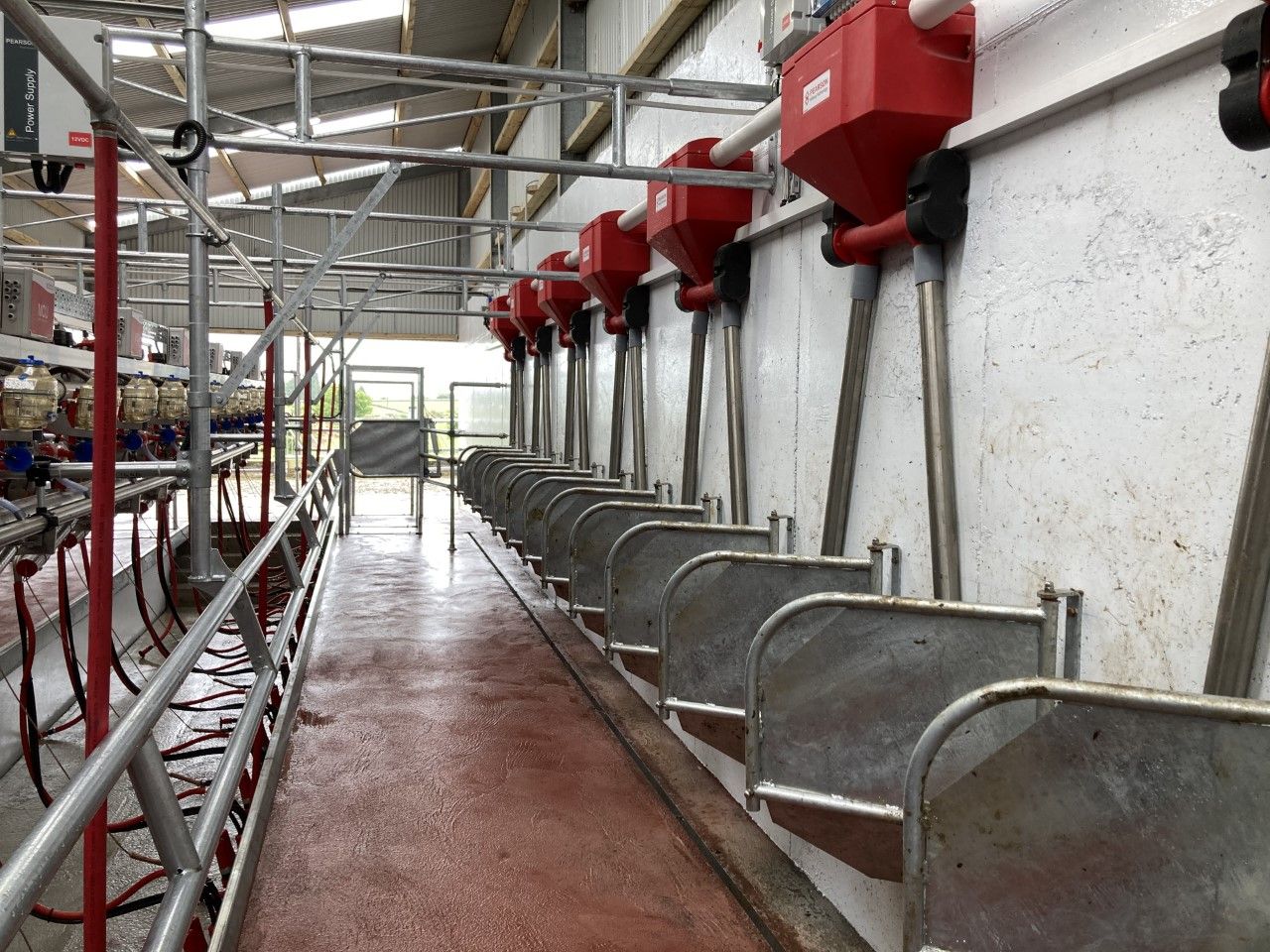
With high volumes of concentrates been fed in dairy parlours due to the drought, it may be worth calibrating the feeders.
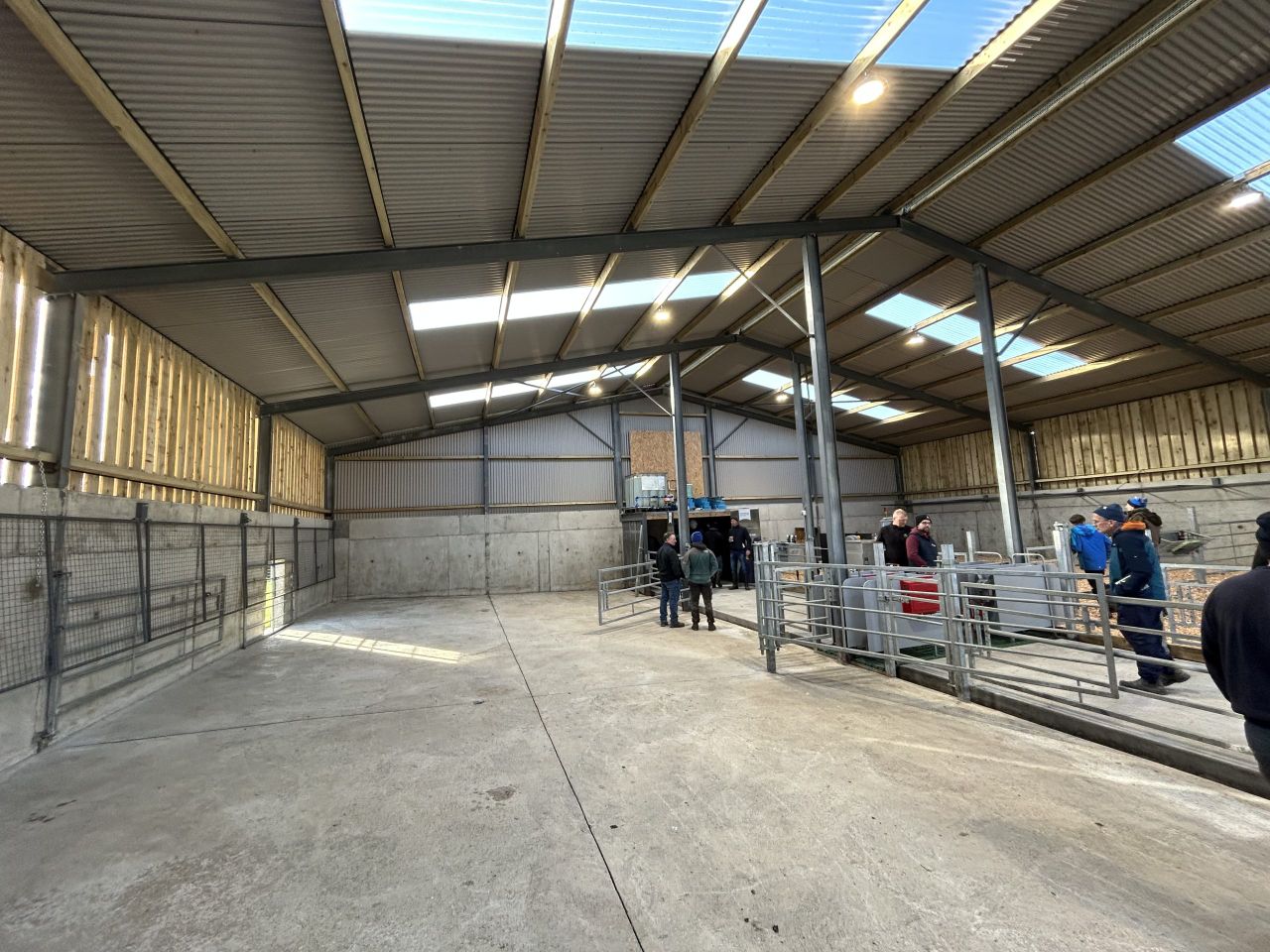
Good calving starts months before the first calf ever arrives on farm by preparing the sheds ahead of things getting hectic once again.
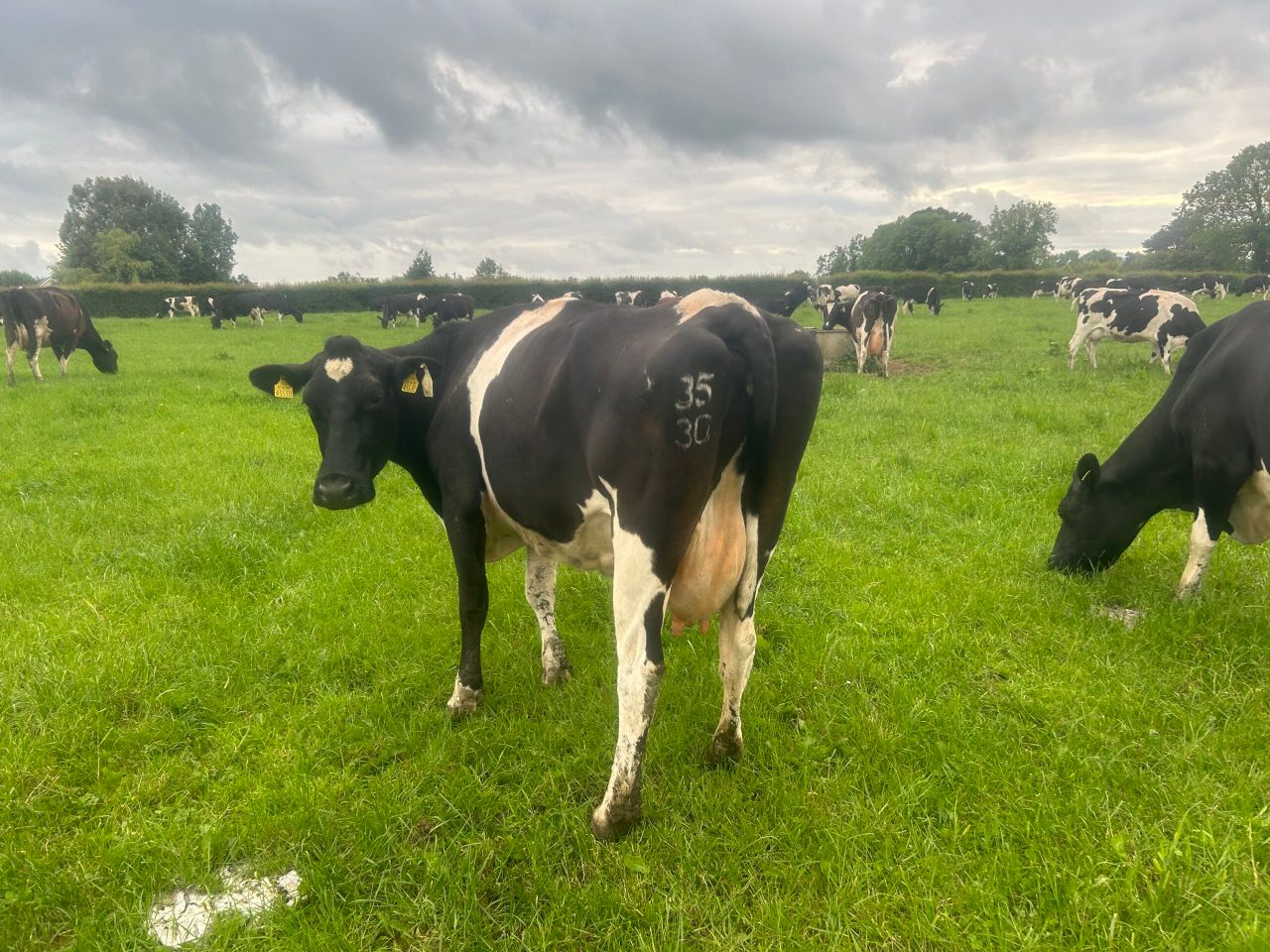
At this stage of the lactation, farmers should be body condition scoring their herd to ensure everything is in order after breeding.
The Barber family of Manor House Farm, in Preston, UK, held the dispersal sale of their Highhopes and Halcyon pedigree Holstein herds.
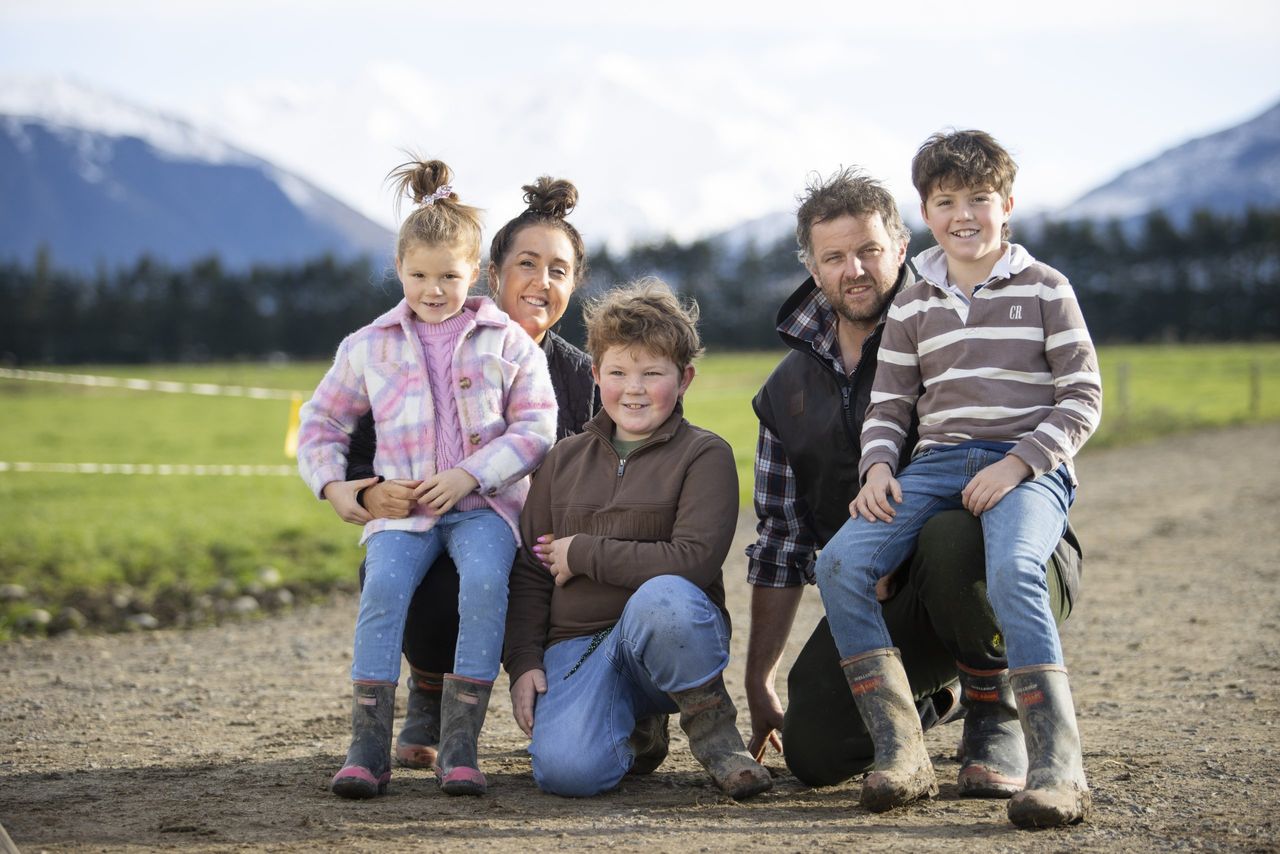
Hayley and Gareth Lewis are milking 1,000 cows in Methven, New Zealand with their three children Harry, Mack, and Neve.
A top price of 5,000gns was paid at the Drointon Summer Heatwave Sale during the week as part of the Border and Lakeland Show and Sale.
Farms are constantly evolving so as to be as efficient and as profitable as possible, while complying with advancing rules and regulations.
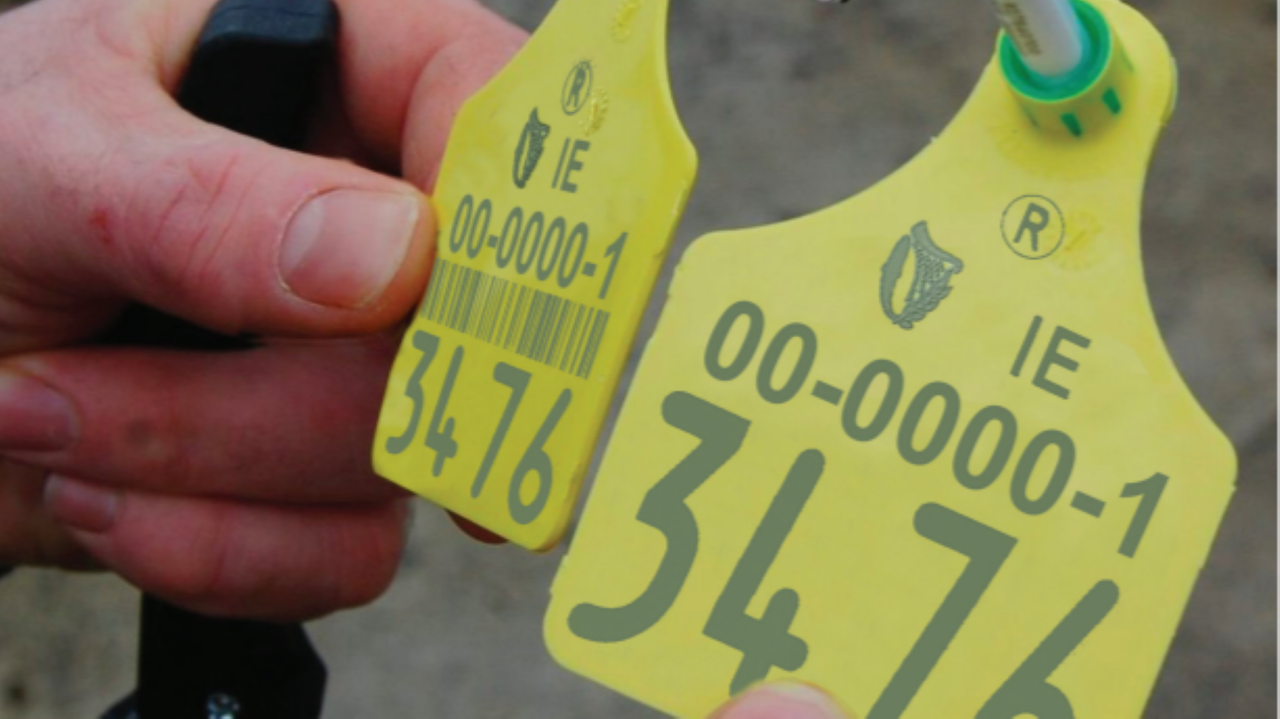
The amount of positive bovine viral diarrhoea (BVD) cases is continuing to follow a downward trajectory in Ireland.