Farmers urged to test for liver fluke as risk shifts to later in season

Farmers are being advised to avoid damp muddy areas and test for liver fluke in sheep as climate change and drought has pushed the risk further out into the year.
This is according to Ally Ward, a veterinary surgeon at the animal health company, Zoetis.
Mud snails which carry the disease-causing parasite thrive in damp, muddy environments such as ditches, boggy ground, the edges of ponds and slow-moving streams.
Farmers are being warned to keep livestock away from these areas to prevent sheep from migrating to the damp areas which would maximise exposure to liver fluke.
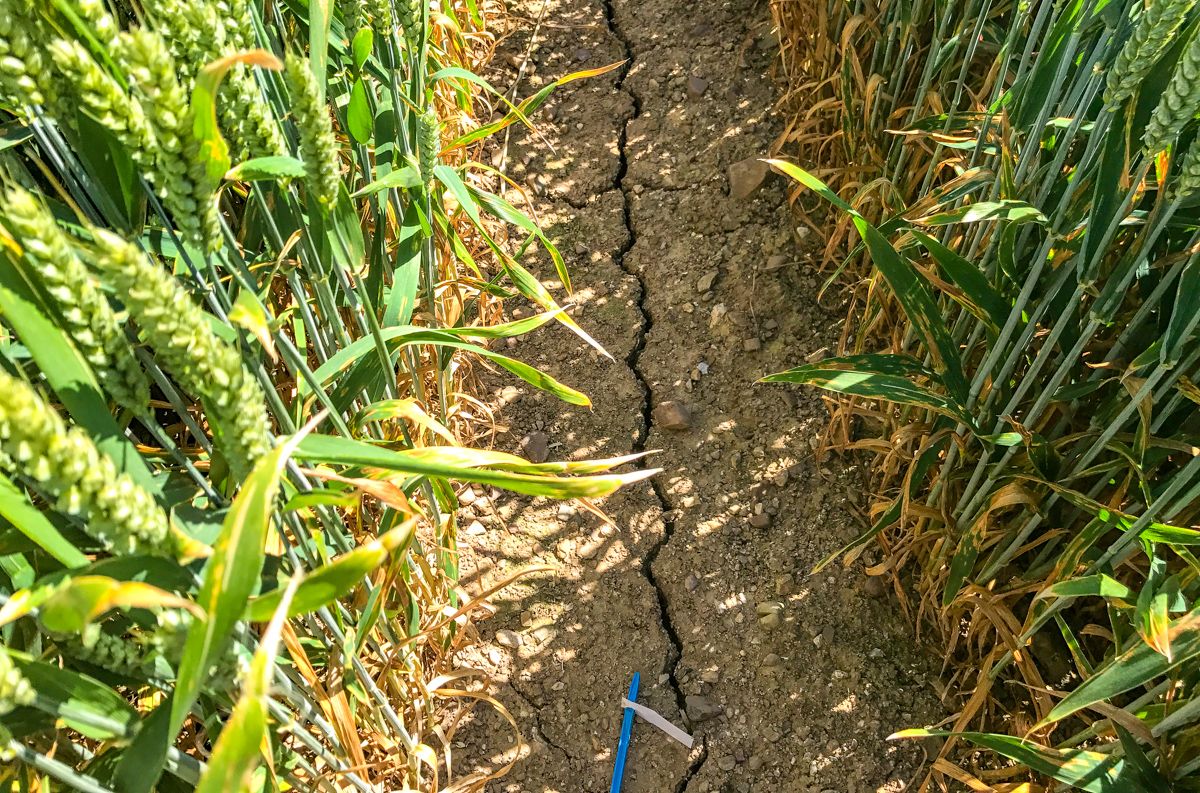
The veterinary surgeon highlighted that this summer’s drought caused the mud snails that carry the liver fluke parasite to "wait out" the dry weather.
The subsequent wet and warm autumnal weather has now created perfect conditions for mud snails which carry the parasite to contaminate pasture.
While historically liver fluke is more prevalent in the wetter western and upland regions of the UK including Wales, Scotland, western England and Northern Ireland, slaughterhouse condemnations and laboratory surveillance is indicating that it is now being seen in areas previously unaffected by fluke.
When discussing how climate change is altering the seasonality of liver fluke, Ward explained: “it normally affects sheep during wet and warm conditions over 10°C in mid-Autumn.”
However, now the disease is stretching into October and affecting flocks later this year.
Ward said: “Preventative measures and treating sheep with a flukicide for liver fluke are critical components to a flock health plan.
"This aims to benefit both the health and welfare of a flock and to protect a farm from financial losses.”
SCOPS
Sheep farmer Peter Baber runs a 400ac, 900-ewe sheep enterprise on two holdings on the edge of the Dartmoor National Park.
He uses Sustainable Control of Parasites in Sheep (SCOPS) to alert him that a case of liver fluke was reported.
He said: “While liver fluke fatalities are normally low, it can lead to health and welfare concerns and financial losses.
“Therefore, as soon as we receive the SCOPS alert for liver fluke, we take faecal samples and send them away for a coproantigen test.”
According to Ward, the coproantigen test detects the parasite as early as four to seven weeks post-infection.
This is unlike traditional faecal egg counts which only become positive 10 to 12 weeks after infection.