Welsh farm reps urge govt action as dairy costs rise

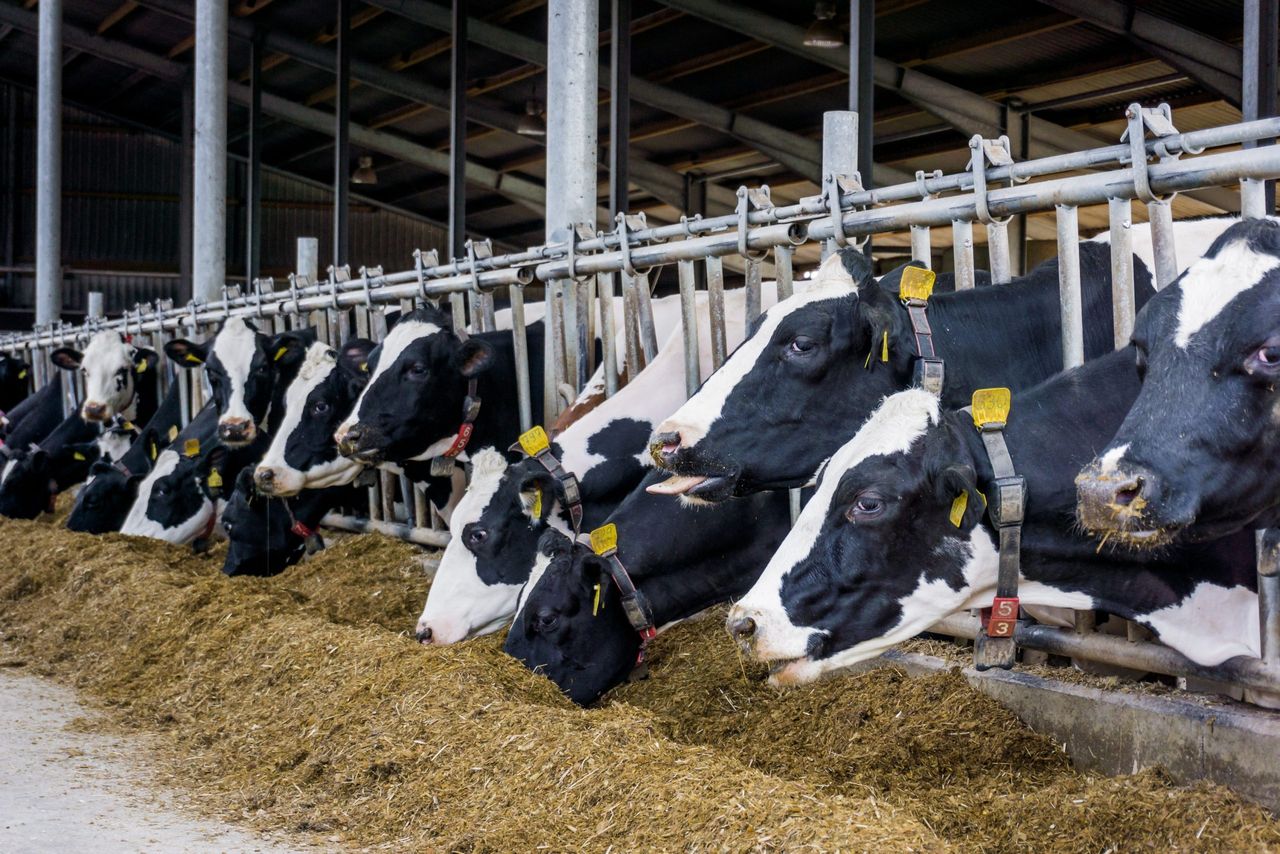
The National Farmers' Union (NFU) Cymru is urging more government action in relation to the Sustainable Farming Scheme (SFS), as financial pressures mount.
The scheme, which is used by 50% of the sector is a useful tool for farmers.
NFU Cymru is urging the government to adjust the scheme in a way that supports dairy farmers amidst rising input costs.
The Welsh dairy industry, which is worth £929 million to the economy according to the farm organisation, is facing mounting pressures as winter looms over.
While milk prices have improved in the last year and have been growing each month, the rise in farm input costs remains high.
Global instability has risen the price of key services to keep the farms running, such as fuel and fertiliser.
The rise of winter feeding costs is also beginning to loom over the heads of dairy farmers due to a significant depletion of fodder caused by a hot dry summer.
NFU Cymru highlighted the effect these pressures is having on the dairy industry during this year’s Welsh Dairy show which took place yesterday (Tuesday, October 20).
Costs
Vice-chair of the Dairy Board of the Cymru NFU, Martin Griffiths said that in order to sustain the sector, businesses must be able to remain profitable and have the ability to support themselves.
According to Griffiths, the resilience of Welsh dairy is eroding due to the fact that farmers are already “squeezing what are already, very tight margins”.
“In some instances, our farmers are supplying milk below the cost of production – they are operating on a day-to-day loss.”
One of the main reasons for the rise in pressure costs is the increase in winter feed needed after a dry summer left many farmers using their winter supply.
Many farmers are being faced with lower forage stocks than usually expected for this time of year.
Farmers are also struggling with cost rises in fuel; according to the Agriculture and Horticulture Development Board (AHDB) the cost of diesel has risen by 50% since last year.
Figures have also shown that ammonium nitrate fertiliser, an integral input on grasslands across Wales, has increased by around 20% since February 2026.