26% of own-label Scottish supermarket products sourced locally

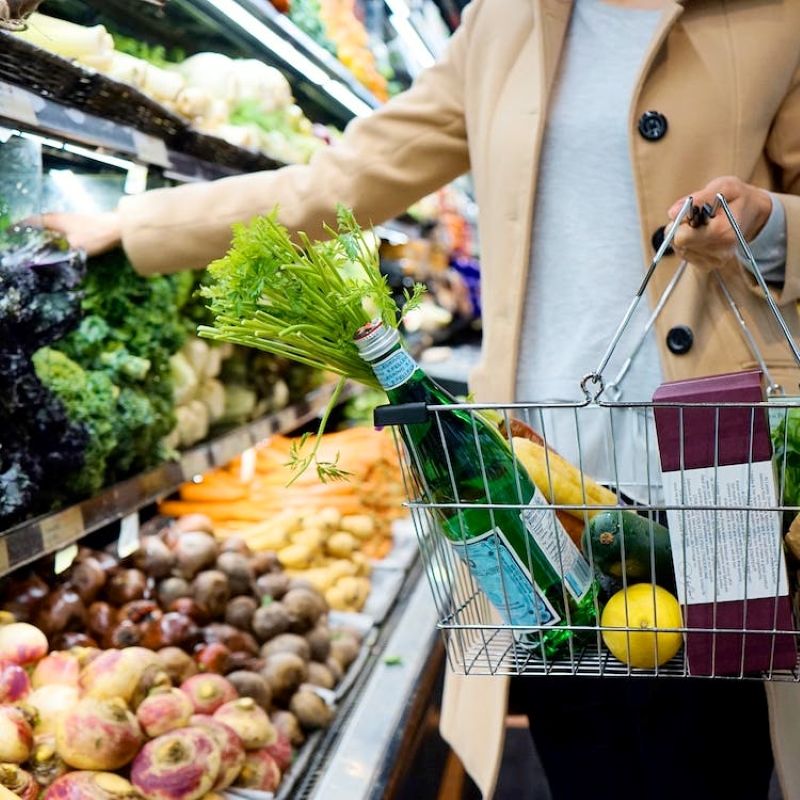
Almost nine-in-ten own label products on Scottish supermarket shelves are now sourced from Scotland or elsewhere in Britain.
That’s according to latest figures from the National Farmers Union (NFU) Scotland ShelfWatch audit.
However, according to NFU Scotland, policy discussions could have significant implications for Scottish producers.
According to the union, policy discussions on food price caps, imports, production standards and misleading labelling could have significant implications for Scottish producers.
Data
Data from ShelfWatch showed "positive signs" across a number of key categories, with Scottish sourcing increasing year-on-year for chicken, soft fruit, vegetables and fresh pork.
Milk and eggs also continue to show particularly high levels of Scottish sourcing.
According to the audit, 26% of own-label products were Scottish, which was a 19% rise from the year before.
When Scottish and British products are combined, the figure rises to 89%.
Improvement in Scottish sourcing can be seen across most supermarkets; however, Aldi leads the way with 68% of its products sourced from Scotland.
It is followed by Lidl at 51%, while Co-op and M&S are both around 30%. Tesco is at 23%.
Despite this, the union has warned of threats surrounding policy changes.
Policy changes
NFU Scotland noted that the Scottish Government's consultation on the possible introduction of food price caps on essential items had indicated a risk this approach "could create additional commercial pressure on retailers to meet a fixed selling price".
According to NFU Scotland, this could make cheaper imported food "more attractive", increasing the risk of Scottish produce being displaced from supermarket shelves.
It said: "Such proposals can also erode producers’ already limited bargaining power, creating additional uncertainty and pressure for domestic production."
If Scottish producers are expected to meet higher production standards, the impact of imports and production standards must be considered, the union said.
It added that imports mean Scottish producers are "competing with food produced to different standards at a lower cost", which risks creating an uneven playing field.
The union stressed the importance of clear country-of-origin labelling so consumers can see where their food comes from and "make informed choices".
NFU
According to the president of NFU Scotland, Andrew Conlon, the figures from ShelfWatch show "really positive examples" of an increase of support for local Scottish farmers.
He said: “This matters because a resilient food supply starts with a resilient primary production sector.
“Farmers and crofters need a viable market for the food they produce, and retailers have a hugely important role to play in maintaining and strengthening domestic supply chains.”
However, the president added that the positivity cannot be taken for granted.
Conlon warned that the proposed food price caps can create additional commercial pressure on retailers, which he said can "potentially displace Scottish produce by making cheaper imported food more attractive".
He said: “Any pressure created at the retail end of the supply chain risks being passed back through processors and suppliers to the primary producer, putting further pressure on the businesses already carrying the cost of producing our food.
"Efforts to improve food affordability must not come at the expense of the farmers and crofters producing that food.”