Farmers warned of diseases linked to nutritional deficiencies in forage

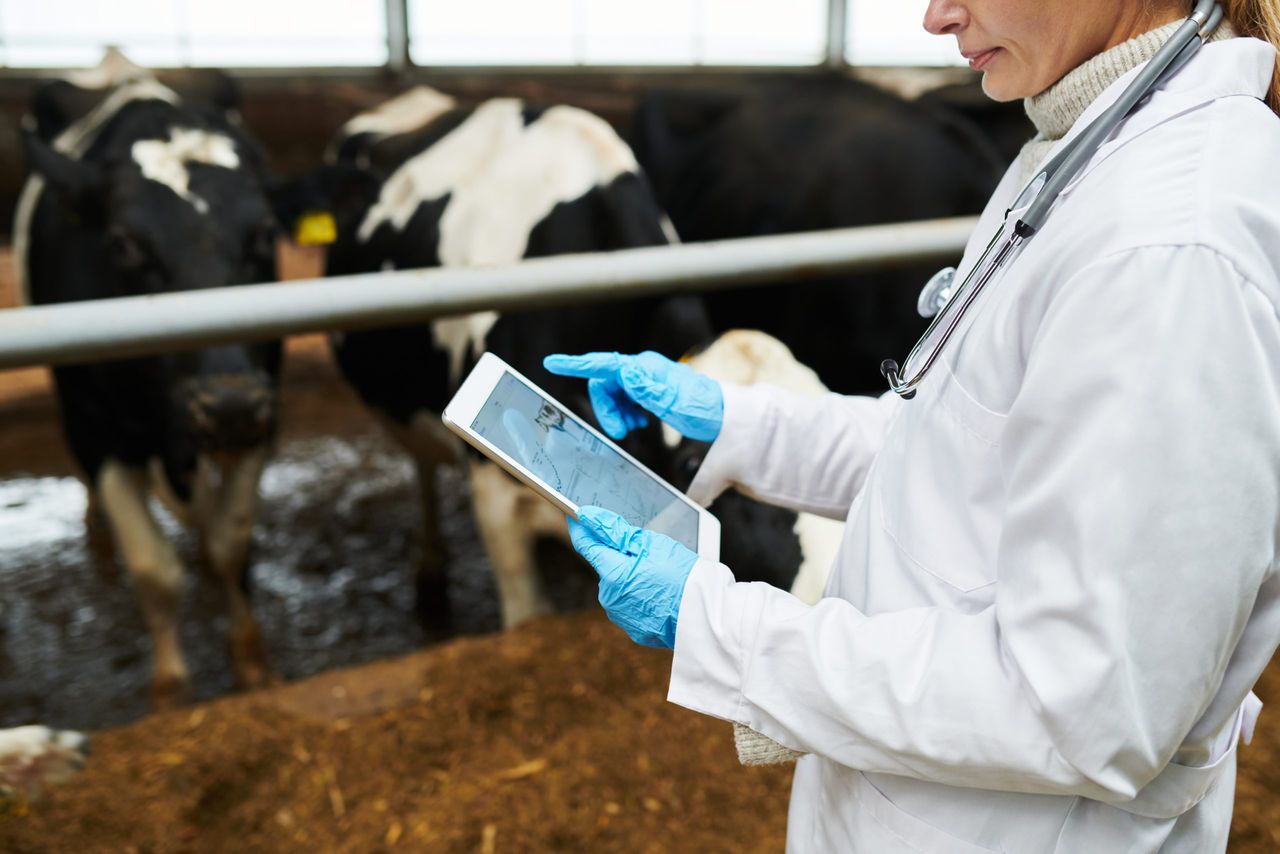
Farmers are being warned about nutritional deficiencies in forage as reports of grass staggers and white muscle disease in freshly calved cows begin to rise.
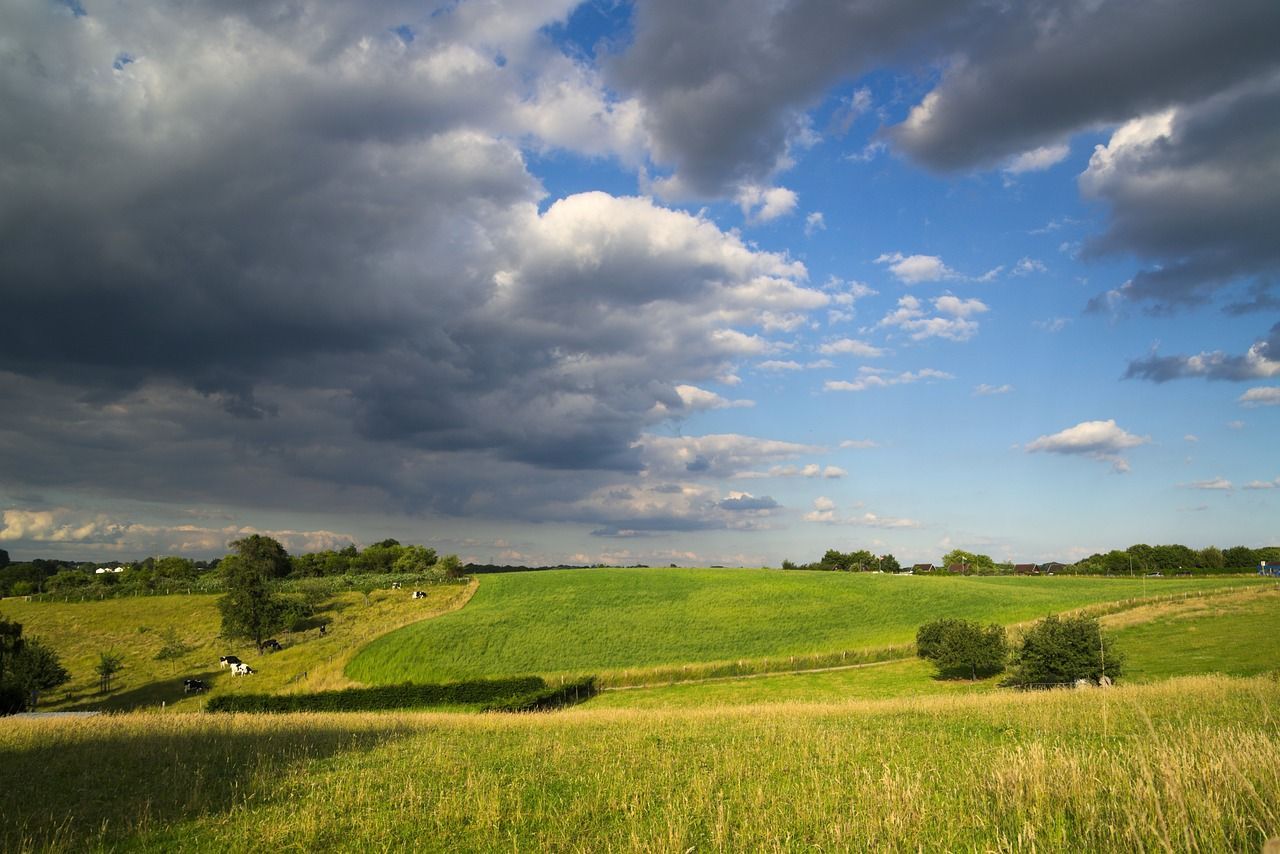
Following a very dry summer and a warm, wet autumn, grass growth has accelerated, which in turn has made grazing plentiful.
However, farmers are being warned about its nutritional value as it may not be providing the animal with all the nutrients it needs.
Livestock specialist at Nettex, Nia Williams said: “Mineral and trace element levels can vary, so farmers should look at the nutritional value of both fresh grass and conserved forage rather than assume animals are getting everything they require.”
The specialist has heard from farmers who are experiencing cases of grass staggers in freshly calved cows on their farms.
The disease which is also known as hypomagnesaemia, is caused by low magnesium levels in the blood.

Rapidly growing grass is often low in magnesium, while high moisture, protein and potassium levels can reduce its absorption.
Cows are unable to mobilise magnesium from bone, meaning they are dependent entirely on supply from the diet to meet requirements
Lactating cows are particularly vulnerable because of their high magnesium requirements.
The condition can progress rapidly, sometimes resulting in convulsions and sudden death.
Farmer who suspect grass staggers in their herd should contact their vet immediately and review magnesium provision across the wider herd, as other animals may also be at risk.
White muscle disease
A disease surveillance in England and Wales carried out by the Animal and Plant Health Agency (APHA) reported cases of white muscle disease in calves last year.
According to the APHA, the disease is caused by a deficiency of selenium, vitamin E or both,
This damages muscle tissue and can lead to weakness, muscle tremors, stiffness, difficulty standing and, in severe cases, sudden death.

Levels of selenium in grass and forage can fluctuate depending on soil conditions and temperature.
As selenium is concentrated mainly in the leaf portion of plant levels can decline as weather changes.
Farmers should therefore not assume grazing or conserved forage is providing enough, when using fertiliser to improve sulphur levels farmers should also considering selenium status.
high sulphur levels can reduce plant uptake of selenium under certain conditions and will affect the nutrient intake of livestock.
Nutritional advice
Williams said: “Testing is always something we recommend, but even more so in a year like this, when we’ve had such extreme weather”
According to the nutritionist, improving nutrient intake involves analysing fresh grass and conserved forage to understand what they are providing.
She explained that farmers should work with their vets or nutritionist to ensure the whole ration is balanced for energy, protein, minerals and trace elements.
Williams said: “Selected trace elements and vitamin supplementation needs to be appropriate to the animals’ requirements and the rest of their diet.
“If the ration is lacking energy or protein, this also needs to be addressed to support optimal performance.”