Antibiotic usage in UK livestock halves in past decade


Antibiotic use in UK livestock is down by 50% on 2014 figures, according to a new report.
The latest UK Veterinary Antibiotic Resistance and Sales Surveillance (UK-VARSS) figures showed that sales of antibiotics and levels of resistance in animals remain broadly stable.
While sales of antibiotics for animals increased slightly by 2% between 2024 and 2025, they remain 56% below 2014 levels.
The report, which is published by the Veterinary Medicines Directorate (VMD), stated that many farming sectors have now significantly reduced their use of antibiotics.
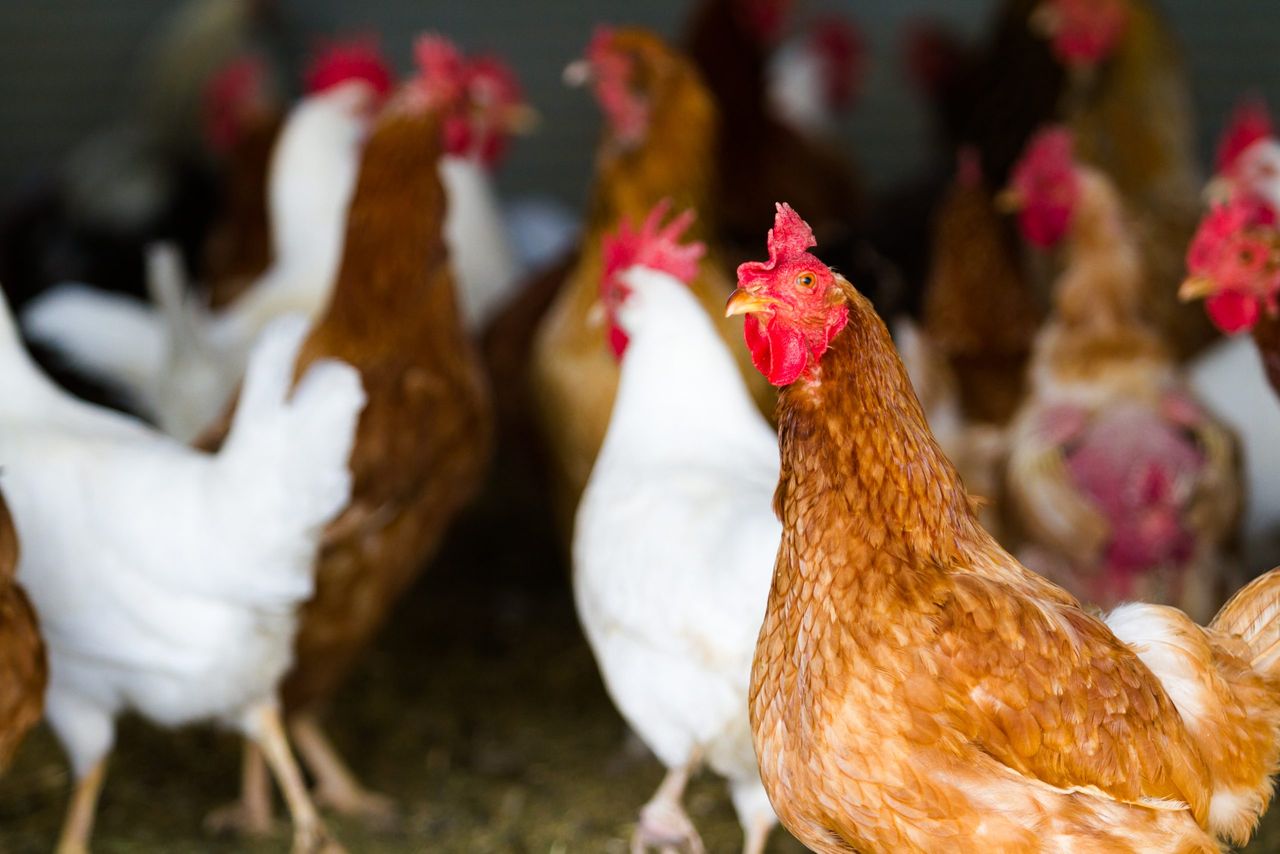
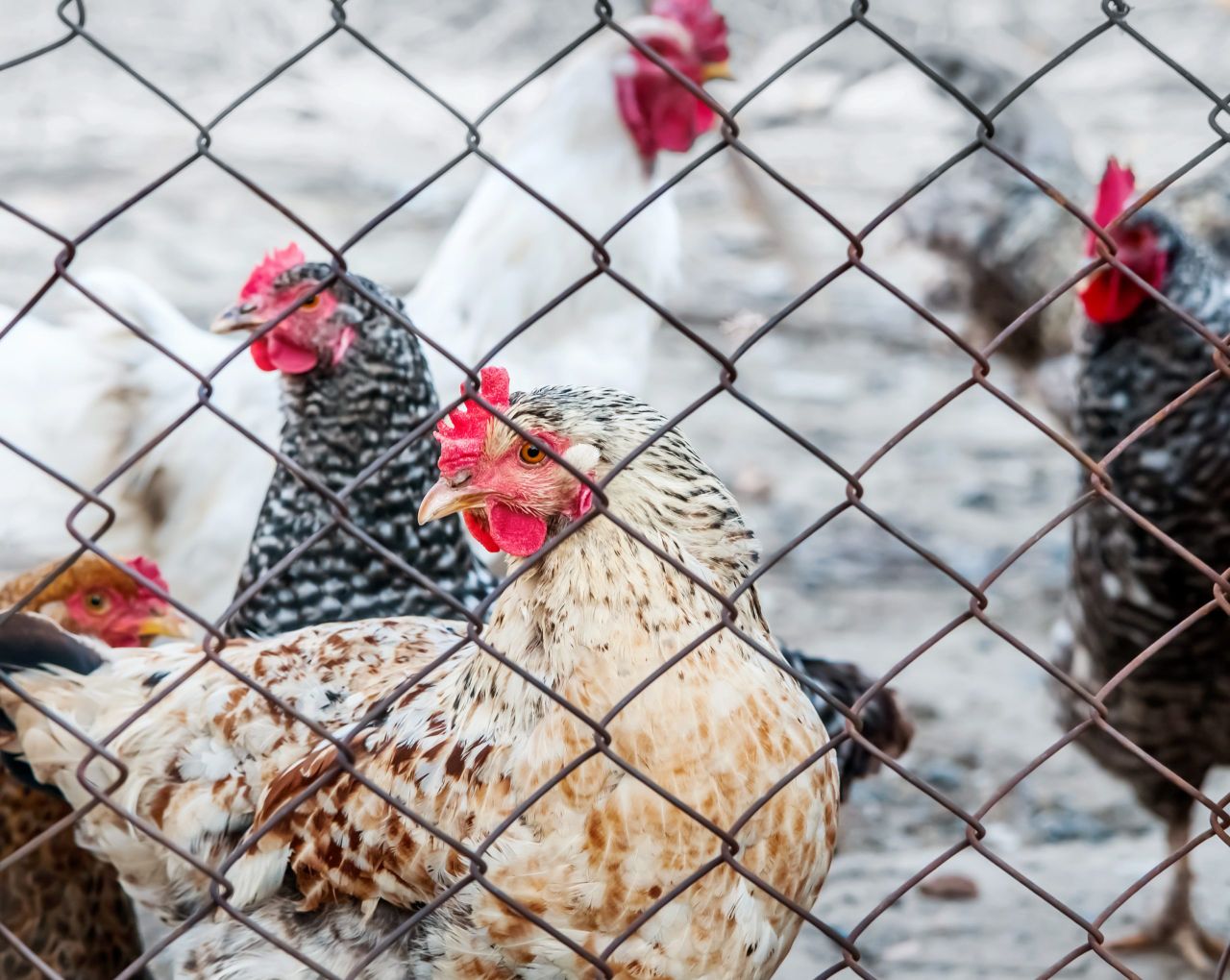
Poultry reared for meat recorded its lowest usage to date, while antibiotic usage in pigs fell by 11% compared to the year before, its second lowest level on record.
According to VMD CEO Abi Seager, using antibiotics in a responsible manner preserves their effectiveness for cases where they are needed.
"Thanks to the hard work of farmers and vets, sales for animals have more than halved over the past decade.
"We know there is more to do and we're building on this progress," she said.
Antibiotic resistance
Antibiotic resistance has now reached levels substantially below historic levels, according to the UK-VARSS report.
Antimicrobial resistance, which occurs when bacteria develop the ability to survive medicines designed to kill them, is becoming a growing health concern that is affecting people, pets, and farm animals.
The last decade has seen farmers and vets work towards reducing unnecessary antibiotic use in an effort to prevent bacteria developing resistance.
Despite sales of antibiotics for animals increasing slightly by 2% between 2024 and 2025, the report said they still remained 56% below 2014 levels.
The report also found that antibiotics considered most important for treating serious infections in people continue to account for less than 0.5% of antibiotic sales for food-producing animals.
RUMA Agriculture
The UK-VARSS report has been released alongside a report by the Responsible Use of Medicines in Agriculture's (RUMA Agriculture's) Targets Task Force.
This task force brings together the livestock sectors to set targets for responsible antibiotic use.
The report found that some sectors have reached their lowest usages to date while some recorded upticks in its use, due to disease outbreaks.
RUMA Agriculture chair James Russell said the UK-VARSS report contains "encouraging" findings on antibiotic resistance in livestock.
He said: "This matters because it helps support that responsible antibiotic stewardship efforts are making a difference.”
Russell reflected on how disease outbreaks have meant additional challenges for some sectors, which have lead to increased treatment requirements.
"Responsible antibiotic use does not simply mean using less.
"It means ensuring antibiotics remain available when animals genuinely need them, while continually striving to reduce preventable disease and improve health outcomes," he explained.