NI farmers urged to remain vigilant after bluetongue detection

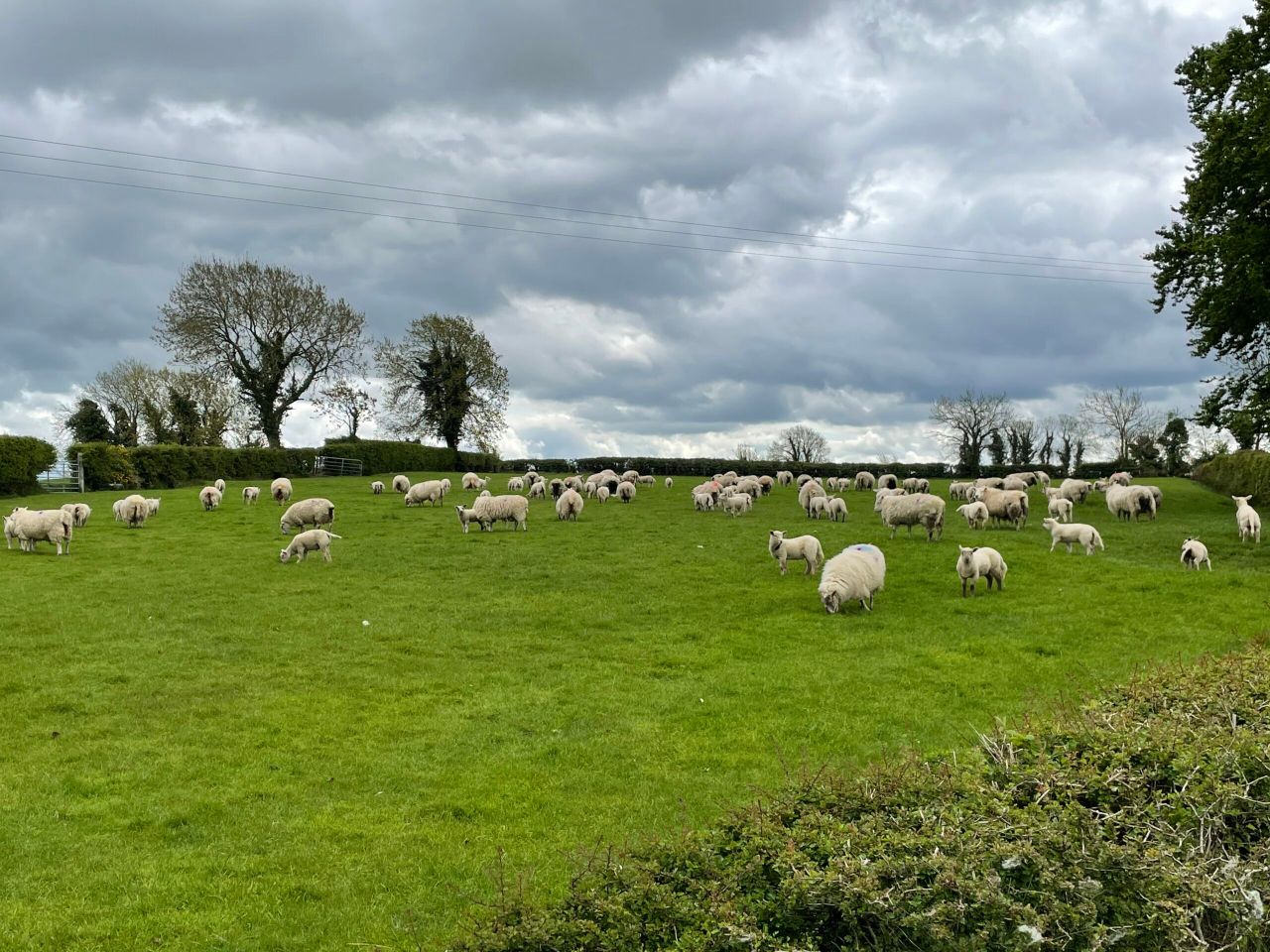
The Ulster Farmers’ Union (UFU) has urged livestock farmers to remain vigilant, following confirmation of bluetongue virus in three sheep on a farm in Co. Down.
The confirmation is the first detected case in Northern Ireland during the 2026/27 season.
The Department of Agriculture, Environment and Rural Affairs (DEARA) has said that no additional movement restrictions or disease control zones will be introduced in response to the case.
UFU deputy president Clement Lynch said: "The confirmation of bluetongue in Co. Down is disappointing and will understandably concern livestock farmers.
"However, given the significant spread of [bluetongue] across Great Britain and the Republic of Ireland in recent months, unfortunately it is not entirely unexpected," he added.
Lynch said that the UFU's message to farmers is "to remain calm, vigilant and continue to follow the veterinary advice".
"We have been highlighting the growing threat from [bluetongue] throughout this season, and this confirmation reinforces how important it is that farmers regularly check their livestock and report anything suspicious immediately," he said.
"Bluetongue can have a serious impact on animal health, particularly in sheep, and farmers should familiarise themselves with the clinical signs."
Those clinical signs can include a high temperature, lameness, swelling around the head and neck, excessive salivation, nasal discharge and sores around the mouth.
"It is also important to reassure consumers that bluetongue poses no threat to human health or food safety. Northern Ireland continues to produce safe, high-quality meat and dairy products," Lynch said.
Veterinary advice
"The UFU has consistently encouraged farmers considering vaccination to discuss the circumstances of their individual farm with their private veterinary practitioner," he added.
The UFU deputy president called on farmers to speak to their vet about the appropriate measures for their individual farm, including vaccination.
"Equally, livestock must continue to be sourced responsibly and farmers need to consider disease risk when purchasing or moving animals," he said.
"The UFU will remain in close contact with DAERA as the situation develops.
"It is important that surveillance continues and that any implications for livestock movements and trade are communicated quickly and clearly to farmers," Lynch said.
"This is a time for vigilance rather than alarm. Farmers have a crucial role to play by monitoring their animals; reporting suspected disease quickly; and following veterinary and DAERA guidance," he added.