Farmers urged to prepare amid risks of drought extending into 2027

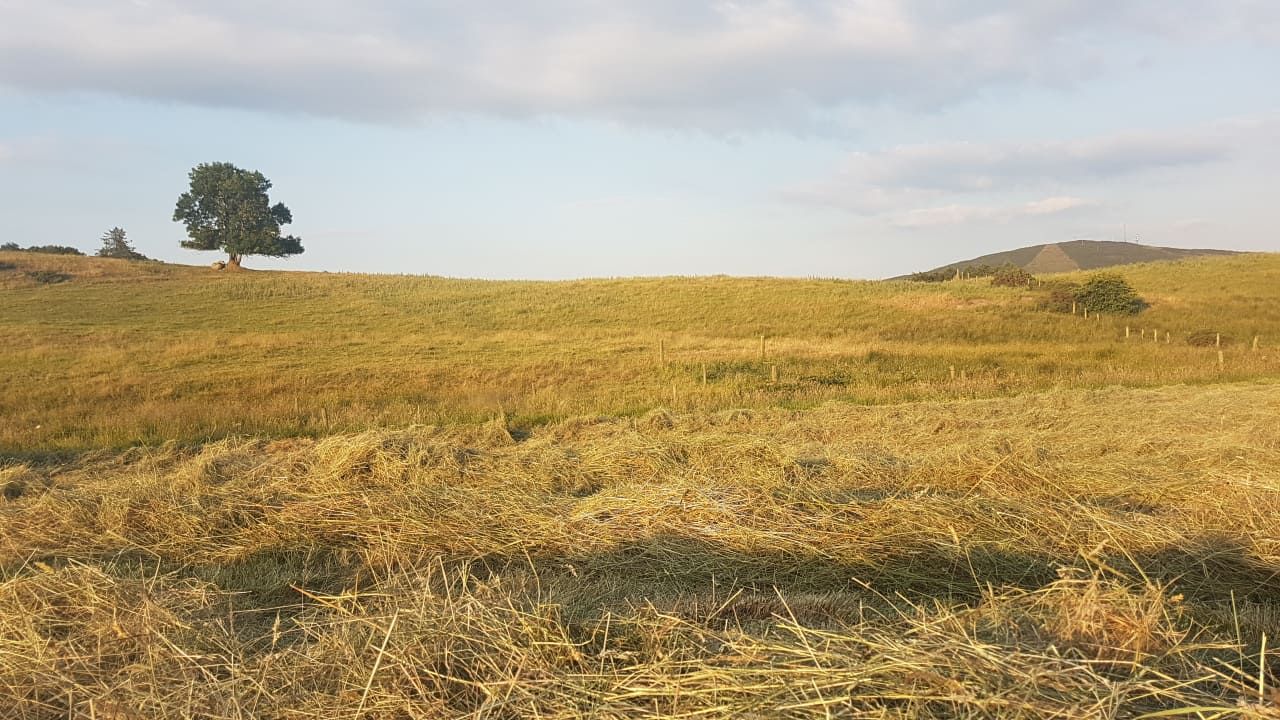
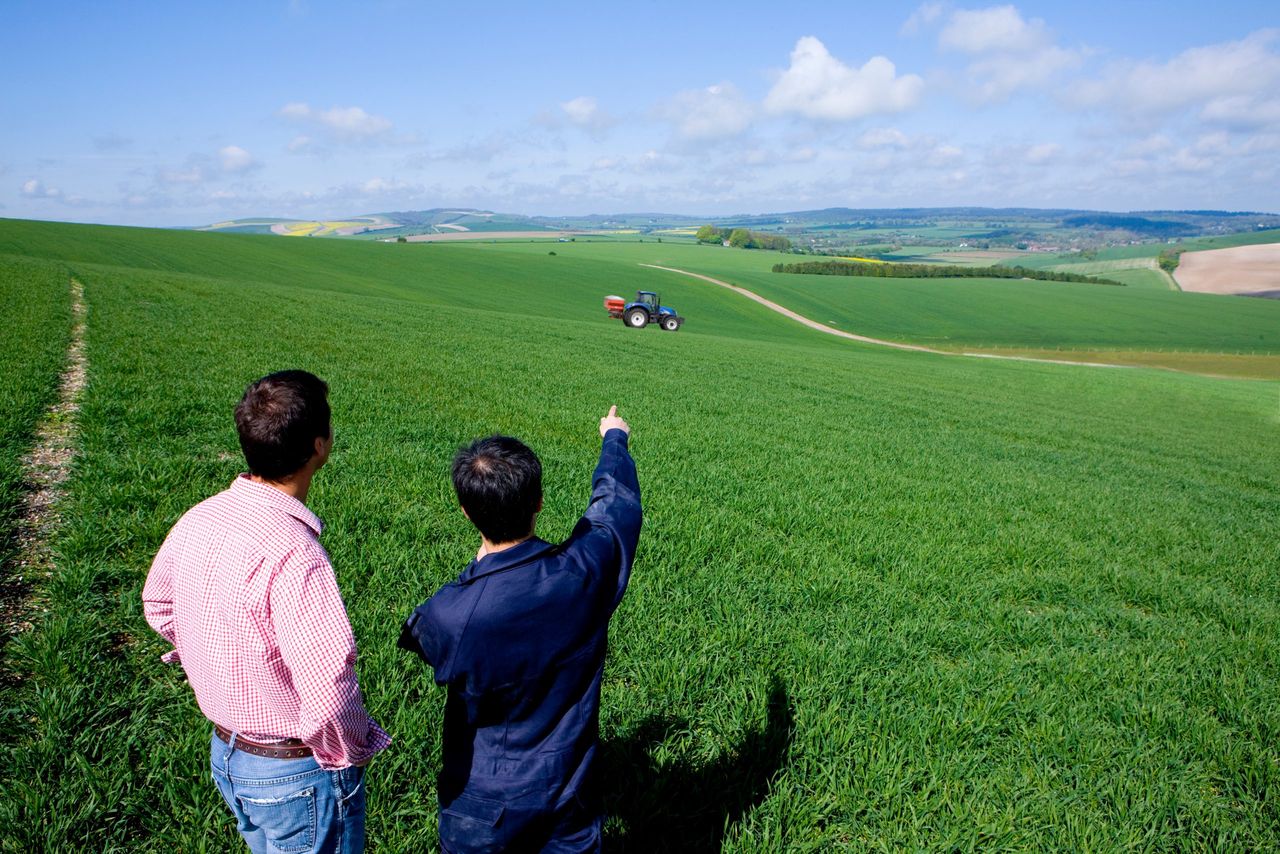
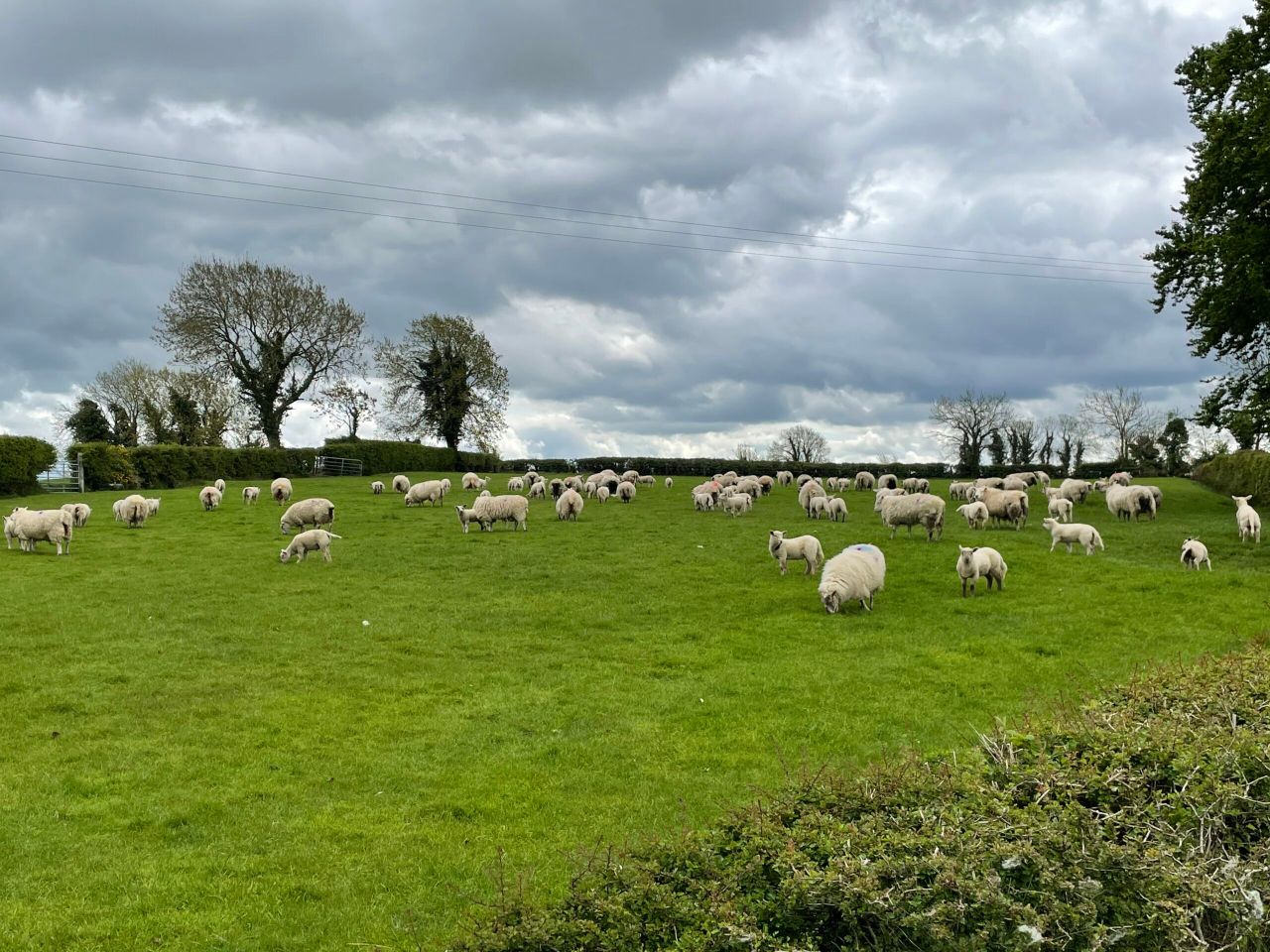
Farmers are being told to secure supplies and plan contingency measures for the possibility of the current drought extending into the new year.
According to the Department for Environment, Food and Rural Affairs (Defra), preventative actions taken by the government, water companies and the Environment Agency have stabilised the situation.
However, it said there is "still a lot of work to be done" as 120% of rainfall is needed in the next five months for England to be considered out of drought by spring.
The National Drought Group heard that the drought will continue if there is insufficient rainfall in the current months, with drier areas in the country such Devon and Cornwall and East Anglia most at risk
There are currently 50 million people in England living in a drought area and 3.2% of the country is in severe drought following the successive heatwaves of the summer, the group said.

This lack of rain has followed into autumn and subsequently into the winter too, as November started off as a dry month with a 9% average rainfall.
However, more unsettled conditions are expected, with spells of rain and windy weather likely during the remainder of the month.
Reservoir levels
Low reservoir levels can be seen nationwide; eight out of 31 reservoirs have been classed by the Environment Agency as "exceptionally low".
According to Defra, droughts are only over when groundwater, reservoir and river levels are back to normal, which can be slow process as it is dependent upon rainfall and customer demand.
Reservoir storage now stands at 59.1%, which is 19.3% below what would usually be expected for this time of year.
National Drought Group
The National Drought Group has been meeting regularly since August to discuss and strategise the best way to minimise the effects of the dry weather.
The group includes the Met Office, government officials, regulators, water companies, the National Farmers’ Union, the Canal and River Trust, anglers, hydrologists, and conservation experts
Speaking at a group meeting on Thursday (November 13), Environment Agency director of water, Helen Wakeham said: “The hot, dry weather over the spring and summer meant we used more water than nature provided and it will take months of sustained rainfall to recover.
“Autumn is really setting in, and it would be understandable to think the rain we’ve had is enough to end the drought – it isn’t."
Wakeham highlighted how small steps taken on a daily basis are the key to improving water consumption and can make a difference to wildlife, farmers, and public supplies.
Water companies
Water companies were told to speed up water leak improvements after an Environment Agency report found that 19% of water was being lost on its way to customers' taps.
They were also asked to do more to help customers save water and share expertise where initiatives or campaigns have seen positive results.
According to water minister Emma Hardy, the next key focus should be on preparing for the possibility of the drought continuing into 2027.
Hardy said: “The drought situation remains serious and, while we cannot control dry weather, we can control how well prepared we are for it."
Water companies have been instructed by both the government and the Environment Agency to put public supplies first.