Controlling replacement heifer costs while maintaining quality

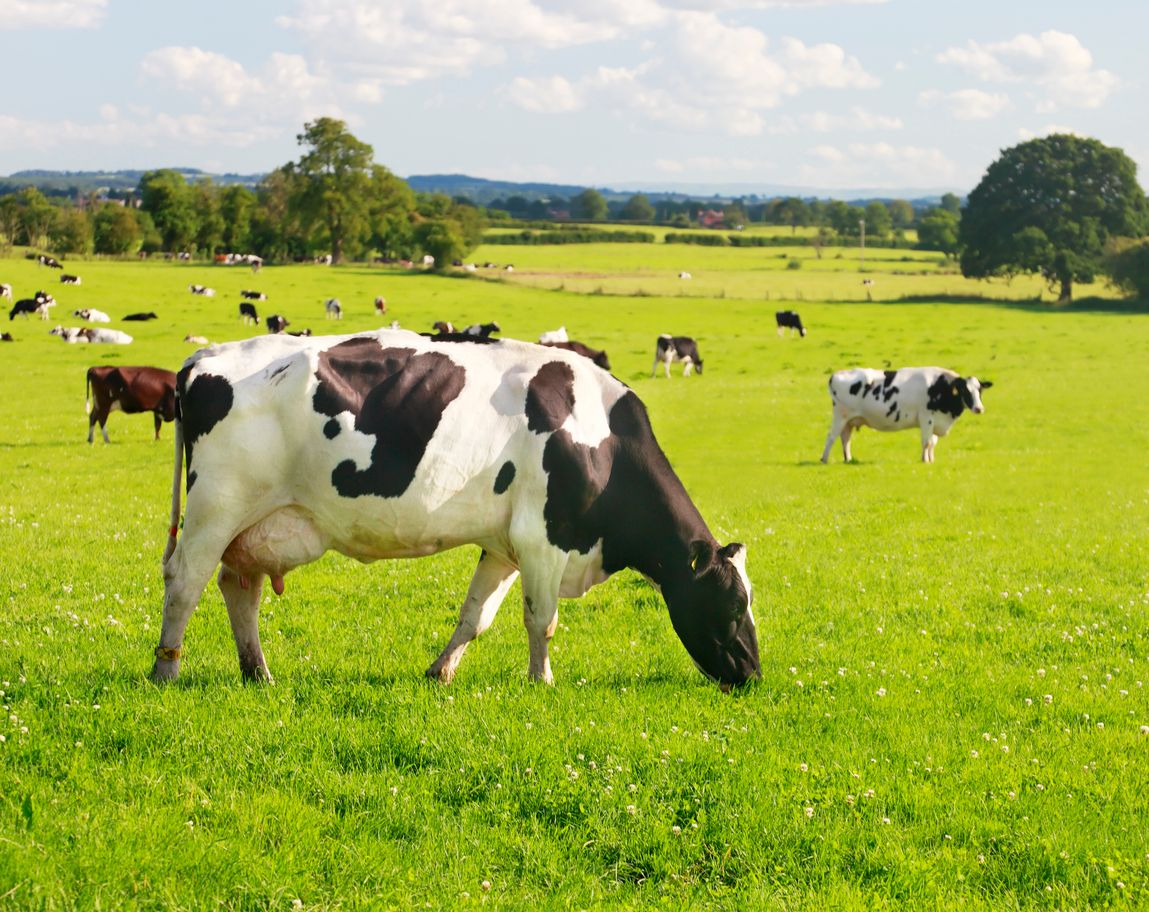
As costs surge, farmers can look to streamline raising replacement cows by taking strategic steps to minimise cost while not compromising on the heifer’s health or fertility.
Heifer costs are one of the most significant costs on farm, and are an investment in future productivity and efficiency.
Prof. James Drackley of the University of Illinois, speaking at a masterclass hosted by Mole Family Feed solutions, pointed to an average cost of £1,975/head to raise replacement heifers to 24-months-old.
Strategic steps available to farmers to reduce cost include reducing replacement numbers through genomic selection, increasing productivity per cow, and lowering the age at first calving.

Prof. Drackley targets 22 months-of-age as the optimum age to calve down.
He points to nutrition being a key tool in achieving this goal. Feed accounts for 54% of total rearing cost, so avoiding over-conditioning is critical.
Excess fat deposition negatively impacts health, fertility and milk production.
Instead, producers should focus on skeletal growth and frame development.
AHDB recommends that heifers reach 65% of their mature weight before breeding; if your cows weigh 650kg, heifers must weigh 420kg before having access to the bull.
“The maximum dry matter intake is 0.5% of neutral detergent fibre (NDF) in weaned calves daily. Limit intakes by feeding bulky forage like straw rather than limit-feeding a higher density diet.”
Prof. Darley recommends a 1kg/day growth rate and advises against overcrowding and poor ventilation when housed, as well as having appropriate feeding space and water access.
The separation of ration fed into 4 stages as the calf progresses from weaning to calving is also advised. Early stage diets should be high in concentrates.
“The lactation ration can work well, with additional starter or grower concentrates. But forage must not limit grain intake,” Prof. Darley said.
Body condition score (BCS) target should be 2.75 for early stages of development and BCS should be closely monitored.
17% crude protein ration in early stages is suited to achieving this goal without over or under supplying proteins.
“After six months the rumen can provide nearly all the protein needs as microbial protein, so dietary protein should be highly degradable.”
Prof. Darley advises dropping crude protein to 14.5% at this stage to reduce cost without harming performance.
Increasing rumen undegradable protein (RUP) has been shown to enhance growth and efficiency at this age, according to the professor.
He said: “Higher RUP (15.1% of DMI) increased body weight, hip height and feed efficiency – and in their first lactation the energy-corrected milk yield was 40.2kg/day versus 38.7kg/day with the standard diet (3.1% of DMI).”
The BCS at calving should be 3-3.25. Over-feeding and a higher BCS can result in poorer milk production in the first lactation as well as reduced fertility.
To minimise cost, farmers can utilise lower quality forages. Heifers will eat 1% of their body weight in neutral detergent fibre.
Nutrient demand will increase during the later stages of pregnancy but DMI decreases in the weeks before calving so ensuring heifers receive the correct mineral allocations is essential to reduce the cost of both clinical and subclinical deficiencies that can reduce fertility, production, and health.