Danish farmers face uncertainty as agriculture ministry abolished

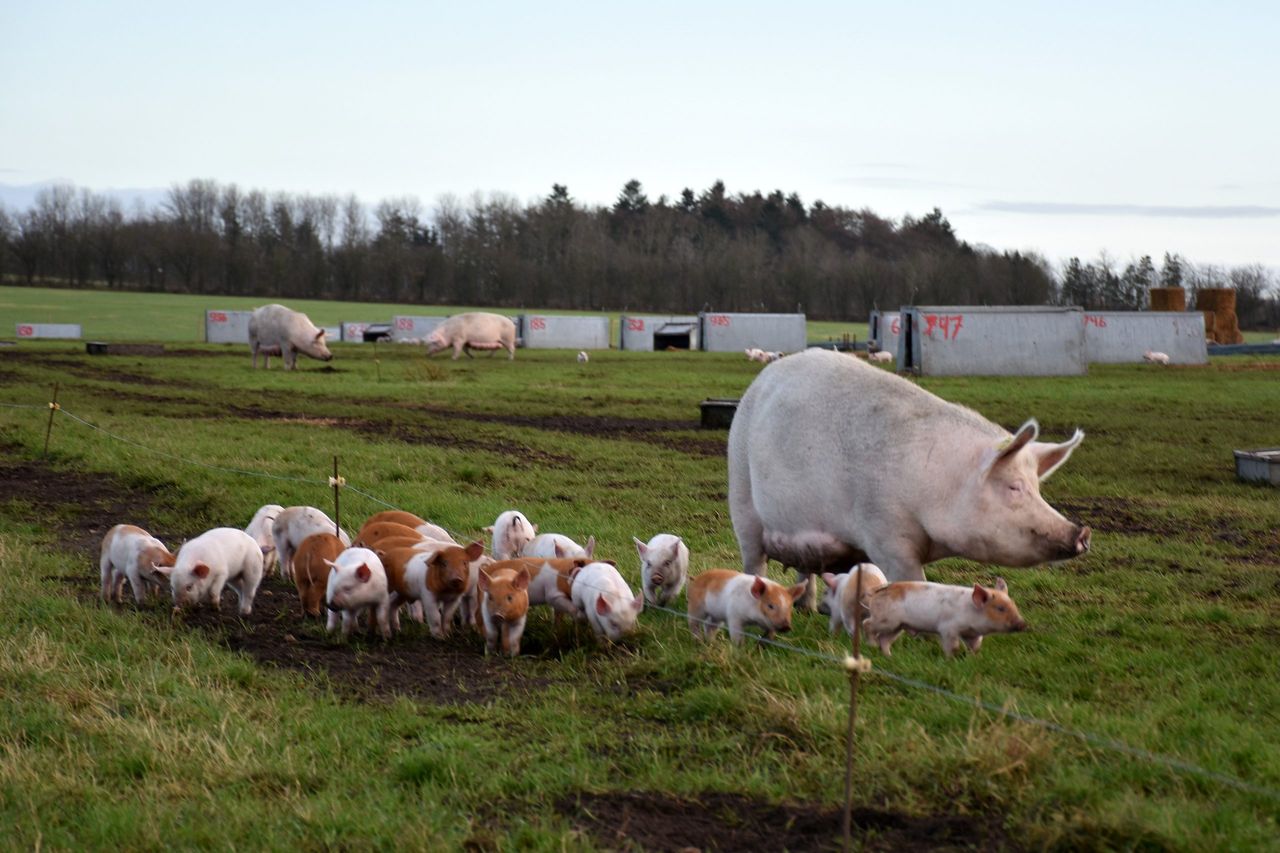
Farmers in Denmark say they are holding back on any investments until there is clarity about the new government’s goals for the agricultural sector.
In a shock move, the new centre-left coalition government formed in March has abolished the historic Ministry of Agriculture which was first created in 1896.
This means there is no dedicated Minister of Agriculture to take the helm of the sector, which accounts for around 22% of total Danish goods exported.
Denmark could now be the only country in the world without a Minister of Agriculture, which has left some Danish farmers feeling somewhat dejected.
No Ministry of Agriculture
In place of a Minister of Agriculture, the government has created a Minister for Nature and Animal Welfare, a somewhat formal connection to how the country is tackling climate change and harmful gas emissions.
That could mean this new government minister has the country’s pig industry in their sights as it is one of the highest producers of emissions in the agricultural sector.
In fact, pigs outnumber people in Denmark by two to one with 12 million pigs and six million people.
Denmark’s Prime Minister Mette Frederiksen is starting her third term, and it is one of her close friends, Christian Rabjerg Madsen, who is heading up the new department.
However, not everyone in the agricultural sector is impressed by the move and view it as putting pressure on farmers with more environmental regulations in the future.
CEO of Danish Agro Industry and Agromek - Denmark’s highly successful agricultural trade exhibition - Claus Hermansen, has said that many farmers are worried about the direction this new government ministry could take.
“Danish Agro Industry represents companies supplying technology, equipment, services, and solutions to the agricultural sector," Hermansen said.
“Many in the agricultural sector see the new government as more focused on environmental and nature policies than on agricultural production.
“The government wanted to show that nature, climate, and animal welfare are now higher political priorities. Replacing the Ministry of Agriculture with a Ministry of Nature and Animal Welfare was a strong symbolic decision.
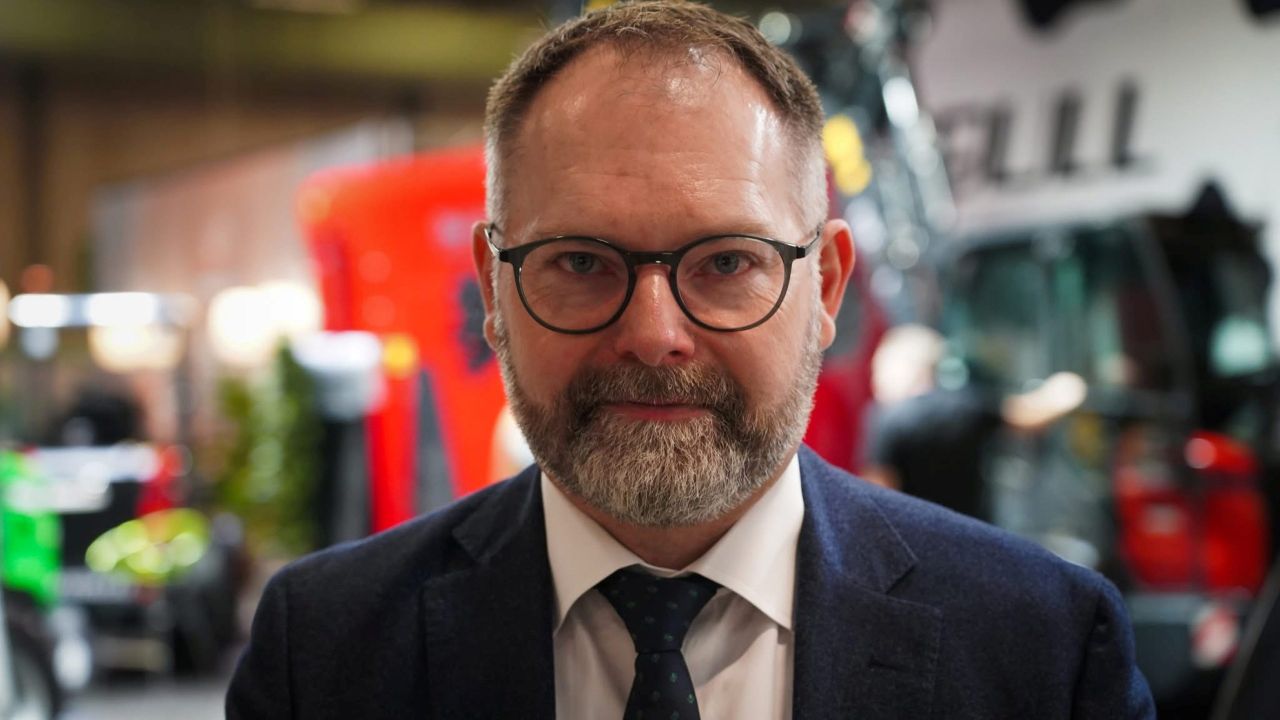
“For many farmers, however, it sends the message that agriculture is no longer seen as a key priority, despite being one of Denmark's most important industries,” Hermansen added.
Bureaucracy
At the same time of the Ministry of Agriculture being replaced by the Ministry of Nature and Animal Welfare, responsibility for agriculture, food, fisheries, and related areas has been divided among several ministries.
“Many farmers and stakeholders in the industry worry that this could lead to more bureaucracy and make decision-making slower," Hermansen continued.
Denmark had a dedicated Ministry of Agriculture for about 130 years after it was established in 1896 and remained in place until the government reorganisation in 2026.
“There is a lot of uncertainty in the sector right now. Farmers are concerned about future rules on land use, fertilisers, pesticides, and environmental regulations.
“As a result, some investment decisions are being postponed until there is more clarity about the long-term direction of policy.
"The industry supports environmental improvements, but it also believes that Denmark needs a strong and competitive agricultural sector," he added.
According to the industry representative, farmers need stable conditions if they are expected to invest in new technology, sustainability, and green solutions.
"Many organisations are also concerned that splitting responsibilities between several ministries could make it harder to get decisions and create more administrative work,” he said.