Adapting dry-cow care for autumn calving amid drought

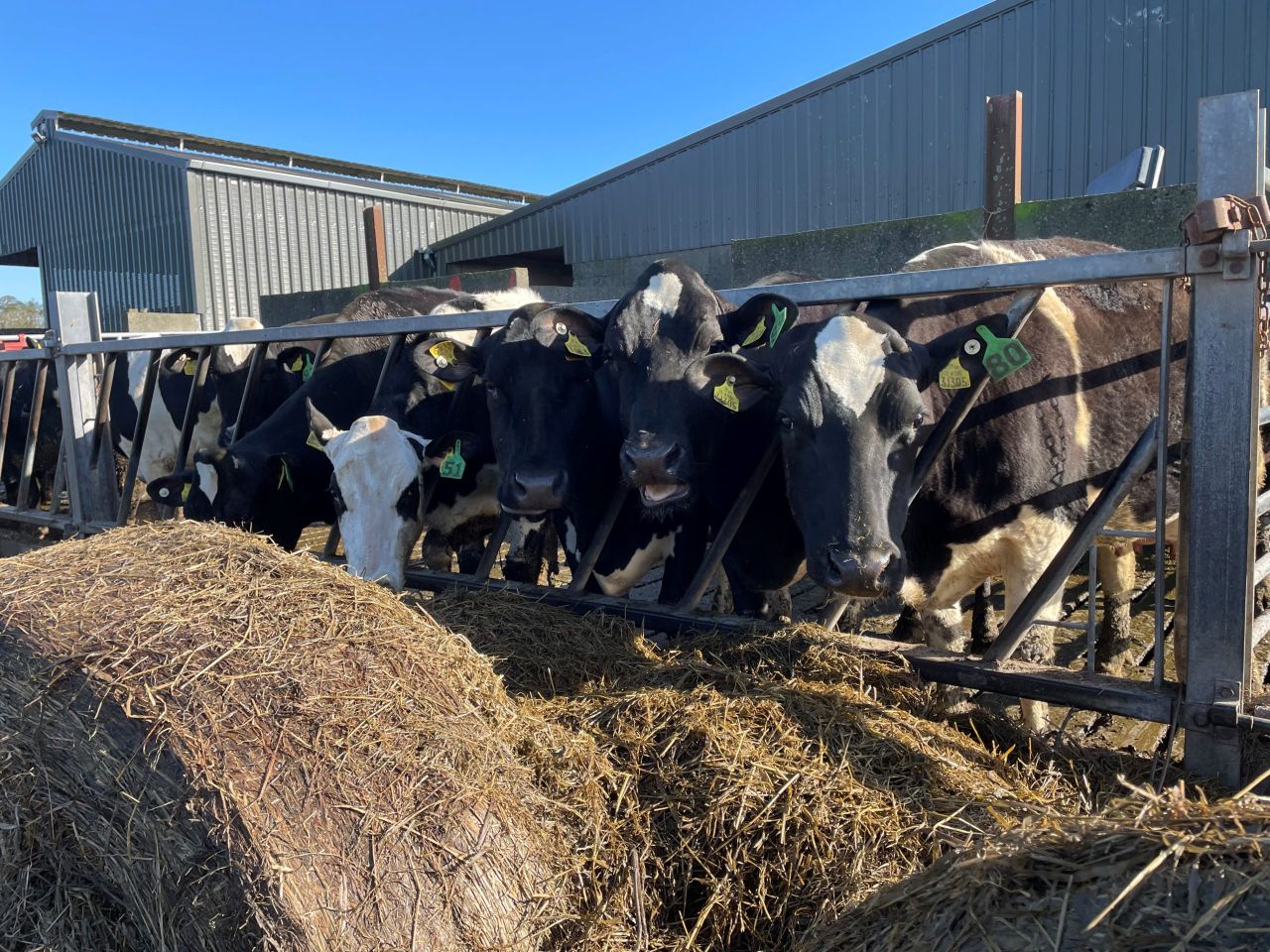
By this stage of the season, the majority of autumn calving cows should be dried off, leaving farmers to focus on dry-cow management.
There is no doubt that the drought has made feeding strategies quite complex this year, as winter milkers will need the best of the farm's silage when calving down.
Despite this, the ultimate goal of the dry-cow period should remain unchanged.
Farmers should aim to have cows calving down healthy and with an optimum body condition score (BCS) of 3.0 to 3.25, as well as with healthy udders and low somatic cell count (SCC).
Dry-cow management
The first step to a successful dry-cow period and calving is getting the cows dried-off in good time.
For first time calvers, the aim should be to dry them off 12 weeks in advance of calving, and for mature cows it should be eight weeks.
Leaving a cow with an inadequate dry period will lead to milk yields being significantly reduced, which could lead to a loss in condition and therefore a difficult calving.
Cows with a lower BCS of less than 2.75 will need an even longer dry period to regain their body reserves.
For cows in good condition, restricted feeding may have to be introduced to prevent them getting above a BCS of 3.5.
The majority of issues that arise from the calving period can often be traced back to the dry or transition period of the cows.
Issues that can arise during the transition period include:
- Udder oedema;
- Milk fever;
- Retained placenta;
- Displaced abomasum (stomach);
- Laminitis;
- Metritis;
- Ketosis;
- Fatty liver syndrome.
Feeding
Good feeding during the dry period can help reduce metabolic disorders from occurring.
Ideally, we would like to see cows still out and grazing, but with limited grass availability in parts of the country, it is not currently possible for some.
The importance of silage testing and fodder budgeting can not be understated for winter milking herds, as diet formulation is the key to a successful year.
If there is any grass left on the farm, try and keep the herd out grazing by day, and increase the volume of concentrates they are fed.
You can opt for the likes of soya hulls to fill any gaps if concentrates reach the 8kg mark.
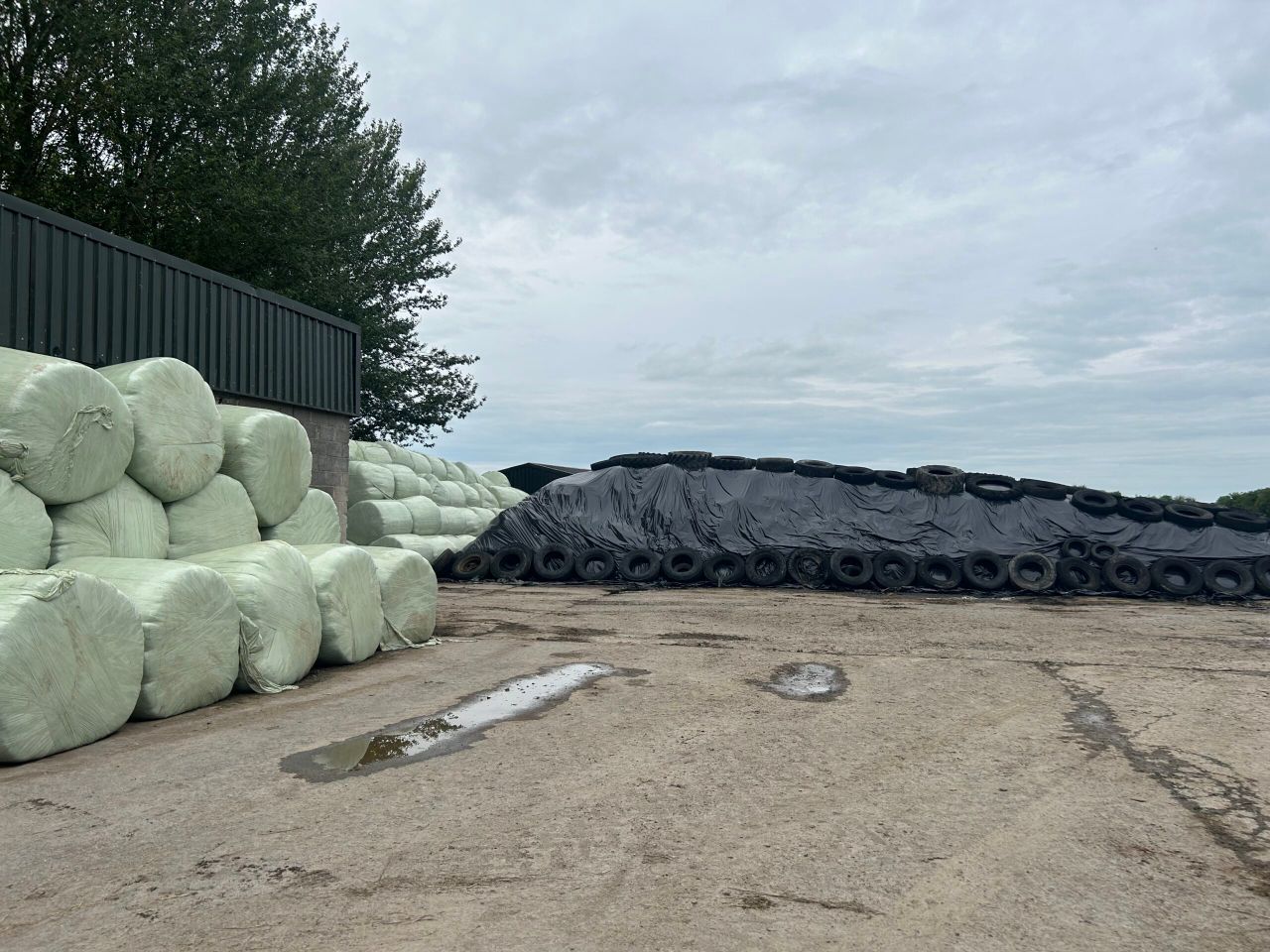
If you do have adequate winter fodder, the herd can be fed well-preserved silage at 68-70% dry matter digestibility (DMD).
If you are feeding lower DMD silage, adjust the diet through concentrate supplementation, or prolong the dry period to regain body reserves.
Farmers should analyse their silage feed for mineral content, and a mineral supplementation programme should be put in place if any issues are encountered.
Most minerals for dry cows are carefully manufactured to address the cows' requirements.
However, they must be fed properly as it is recommended to supplement feed with minerals for the last seven weeks of gestation.
The specifications for minerals should be as follows:
- Low calcium (<1.1%);
- 20-25% magnesium;
- 2-5% phosphorus (P) fed at a higher rate if forage P content is low;
- Vitamin D: at least 12,000 units/100g;
- Trace minerals: copper, zinc, selenium, manganese, iodine and cobalt, with protected sources included where required.
Minerals are usually fed at a rate of 120g/cow/day, and if you are dusting minerals on silage, it is better to do it twice a day at a rate of 60g/cow/day.
Inadequate mineral supplementation during the dry period can cause problems with perinatal calf health, as well as problems with cow health.
Ensuring that the cubicles are being brushed and cleaned every day, with each cow having adequate space, will reduce the SCC for the following lactation and minimise the risk of mastitis.