Will scorching heat test nitrates rules on slurry spreading across Europe?


Farmers have spent the summer locked in a losing battle with scorching heat and drought but could they now also have to square up to push back on nutrient spreading regulations?
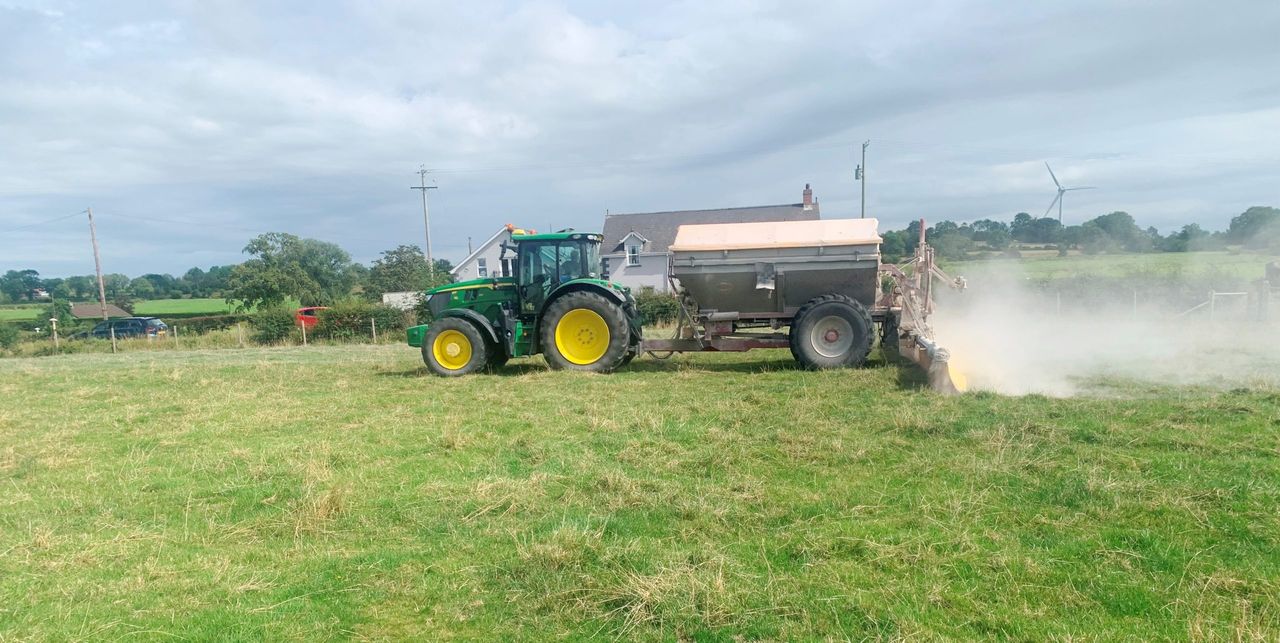
Parched ground and stalled grass growth have in many countries across Europe left slurry tanks full.
Farmers now face the prospect that when they get the opportunity to spread slurry they may not be able to catch up in time without breaching nitrates rules built for a calendar that no longer matches the weather.
With grass growth stalled and dry soils limiting nutrient uptake, pressure is beginning to mount to extend the window for slurry spreading for farmers in Europe.
Under the EU Nitrates Directive countries are required to set closed periods when slurry spreading is banned with exact dates varying by each member state.
The directive is one of the EU's longest standing laws and specifically aims to "prevent and reduce water pollution caused by nitrates from agriculture".
But as farmers have highlighted, existing rules do not exactly take account of conditions on the ground anymore.
Particularly when according to the Copernicus Climate Change Service, Western Europe experienced its hottest June-July period on record this year.
This has sparked new calls for governments to consider extending the closing date to give farmers some breathing space - particularly in Ireland and the Netherlands, both dealing with extreme weather at opposite ends of the spectrum but arriving at the same demand.
In Ireland, TD Michael Cahill is pushing the Minister for Agriculture, Food and the Marine, Minister Martin Heydon for a "common sense review" of the September 15/October 1, deadlines after months of high temperatures has left grass growth stalled.
Latest figures suggest that overall grass growth has been 8,176kg dry matter (DM)/ha, which is a decline of 490kg DM/ha, or 7% lower than the 10-year average.
According to Cahill, Irish farmers need "an opportunity to recover some of that lost growth as conditions improve but the existing calendar dates may prevent them from doing so."
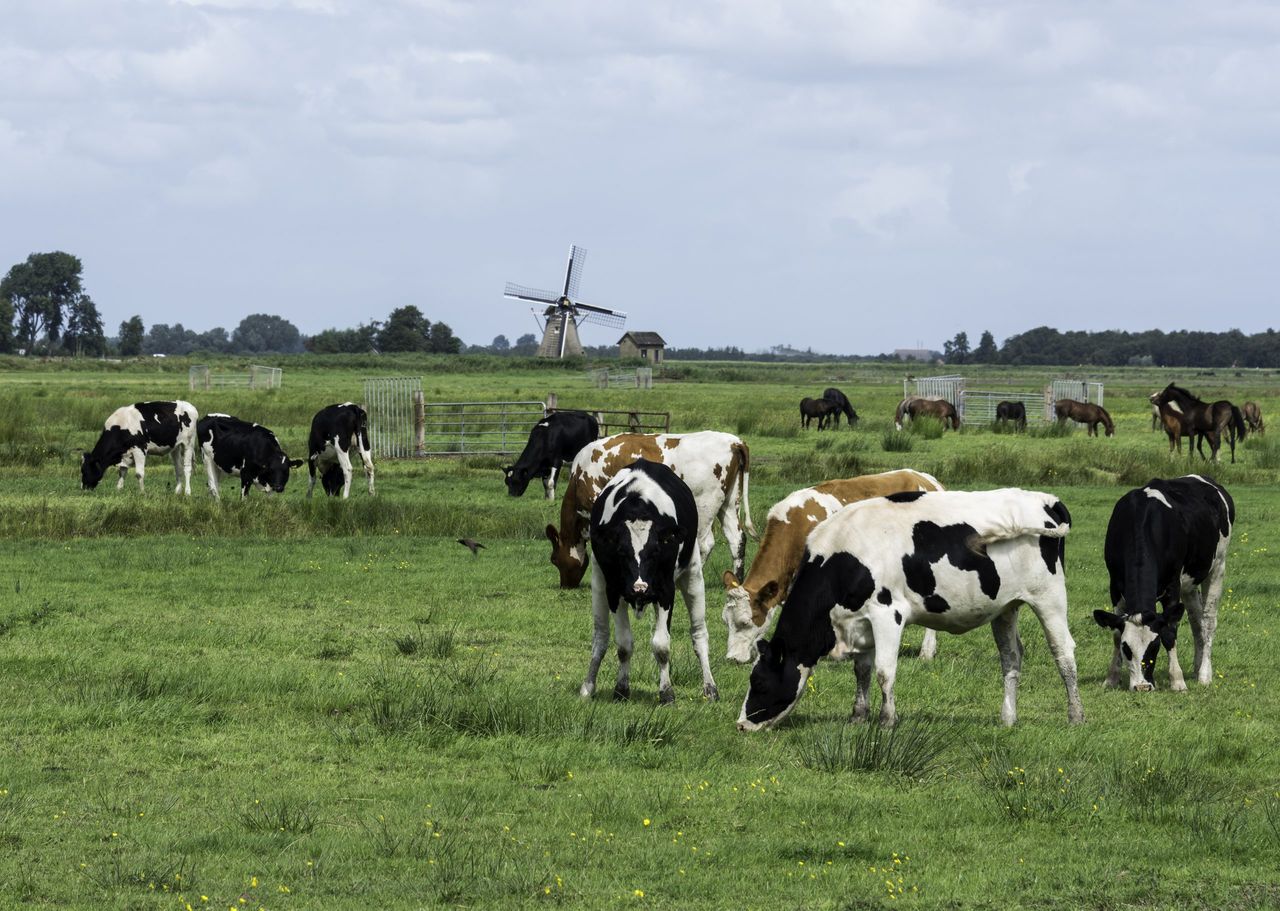
Meanwhile in the Netherlands, LTO Nederland (Land-en Tuinbouw Organisatie Nederland), one of the the main farmers and growers union, has also asked the Dutch government to extend the window for spreading slurry.
According to the LTO, it has been "impossible" to spread slurry for some time because of "exceptional drought and high temperatures".
A National Heat Plan has been in operation this weekend in the Netherlands with the Royal Netherlands Meteorological Institute advising that temperatures could hit as high as 37°.
The LTO has highlighted to the country's political leaders that once conditions improve, farmers will need time for field conditions to recover.
It has also warned that the current end date to spead slurry - August 31 - is "very short".
"An extension can therefore contribute to a better utilisation of nutrients as well as prevent farmers from being forced to use manure under unfavourable conditions due to calendar dates," LTO leaders have said.
The organisation has now officially asked the Minister of Agriculture, Fisheries, Food Security and Nature, Jaimi van Essen, to extend the window for farmers to spread slurry.
But the the spotlight on nutrient spreading regulations in both Ireland and the Netherlands highlights the challenges now facing governments in not only how they support farmers but can also meet water-quality goals.
Irish and Dutch farmer are becoming increasingly frustrated with rules-based calendars which take very little account of the increasingly complex weather conditions that farmers are battling with.
Nitrates Directive
Last month Jessika Roswall, European Commissioner for Environment, Water Resilience and a Competitive Circular Economy, said that the Nitrates Directive had "helped protect Europe’s waters for more than 30 years".
Following the first evaluation of the directive since it was adopted in 1991 the commissioner also acknowledged that "using nutrients more efficiently" supports the long-term resilience of the farming sector.
But it now remains to be seen if farmers will turn up the heat on regulators when it comes to the current rule book.
Weather conditions have made the case for them - grass is not growing, slurry storage is full but the calendar dates have not changed.
Whether that will be enough to loosen fixed spreading dates for genuine farming reasons, or whether water-quality caution wins out, is the question governments in Dublin and the Hague will have to answer.