Drought impact and falling cow numbers to hit GB milk production

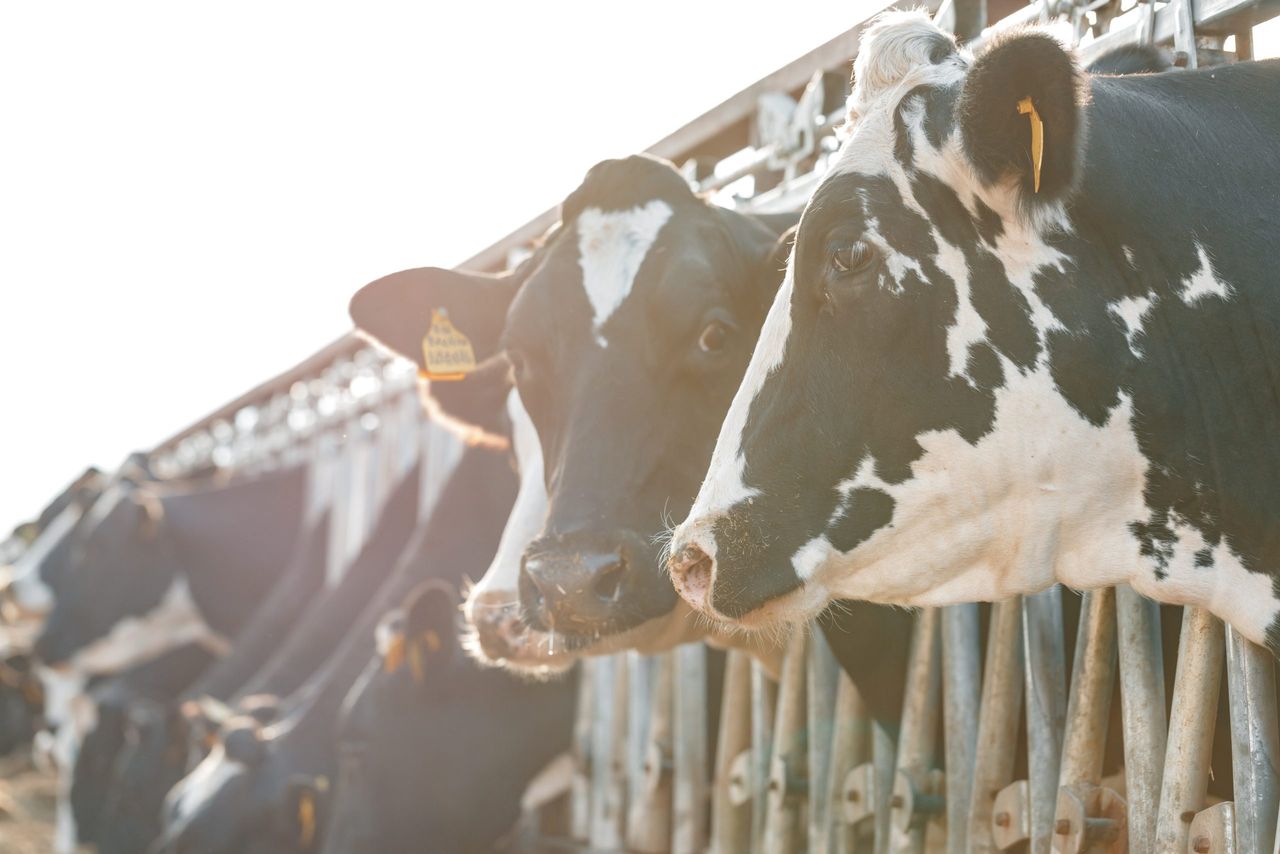
Low forage stocks and falling cow numbers are key factors expected to drive a decline in milk production in Great Britain (GB).
Other factors include increased costs of production and disease risk, according to Susie Stannard, lead analyst (dairy) with the Agriculture and Horticulture Development Board (AHDB).
Stannard said that GB milk production is estimated to fall by 2.2% in the 2026/2027 milk season, slowing to -1.1% in the first half of the 2027/2028 milk season.
"Increases in milk price are currently not well supported by commodity markets but are necessary to support milk production.
"Milk production is likely to be highly variable depending on contract type, impact of drought and exposure to disease/vaccination status," she said.
What has happened so far in 2026?
Stannard explained in her dairy forecast update that GB milk supplies have been easing since May 2026.
She said: "Milk prices began to fall sharply in October 2025 amidst a backdrop of global oversupply and depressed commodity markets, and remained low through most of spring/summer 2026.
"Despite this, milk supplies only began to fall after the flush, dropping more sharply through the summer, to a low-point of a 4.4% reduction year-on-year in August."
She outlined that several key factors explain the reduction in milk volumes seen this year, the most influential being:
- Milk volume management schemes operated by several key processors aimed to reduce milk volumes and stay within processing capacity. This brought volumes down in spring;
- Heat stress induced by a run of five heatwaves through May into August;
- Lack of forage due to drought conditions;
- Lower milk prices and rising input costs squeezed margins.
Milk production
Stannard said the overall expectation is for a continuation of the pressures seen in the summer - although heat stress itself will not be a factor over the winter, forage quantity could be a problem for some, increasing costs of production where supplies need to be bought in.
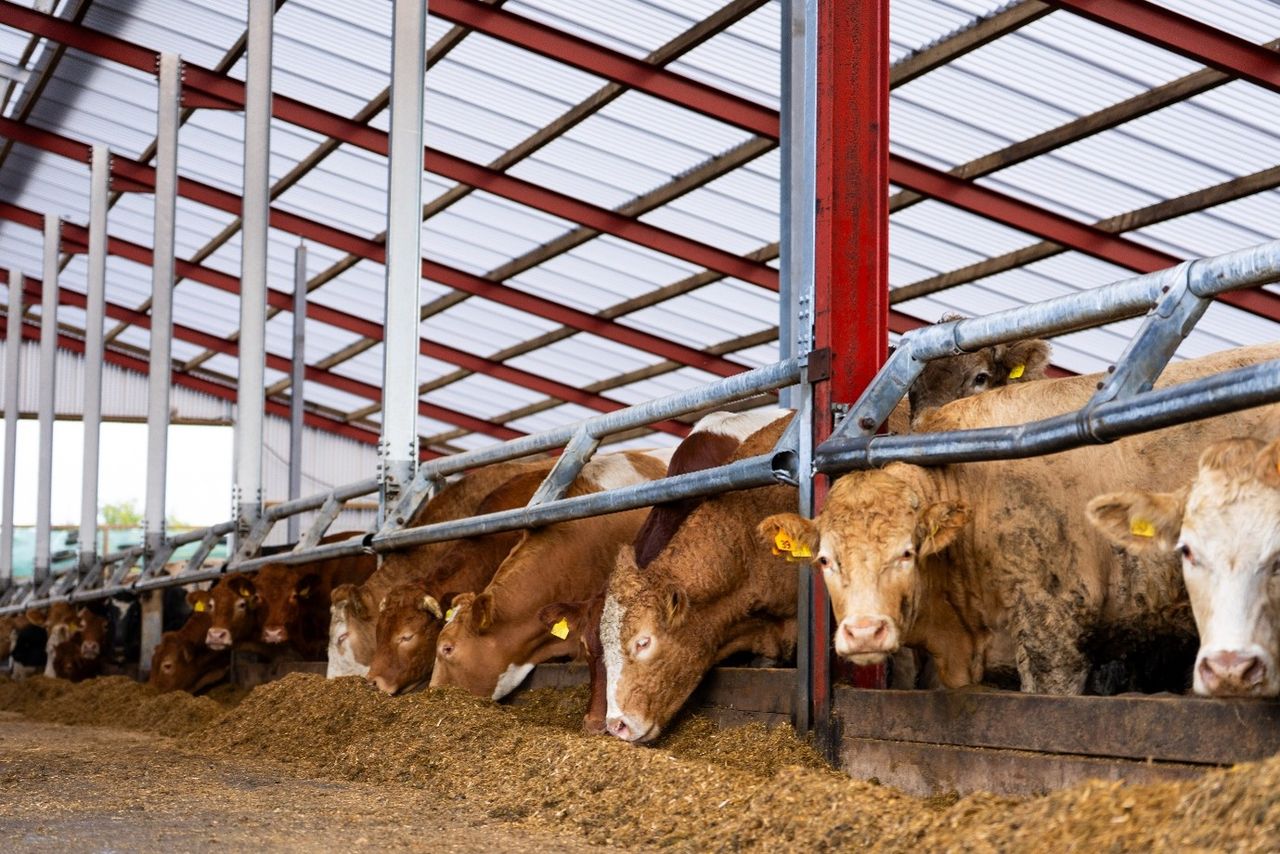
She explained: "Cow numbers are falling and high beef prices, along with a lack of available forage, will incentivise further herd reductions.
"Rising input costs will squeeze margins to a greater or lesser extent depending on the scale of milk price increases."
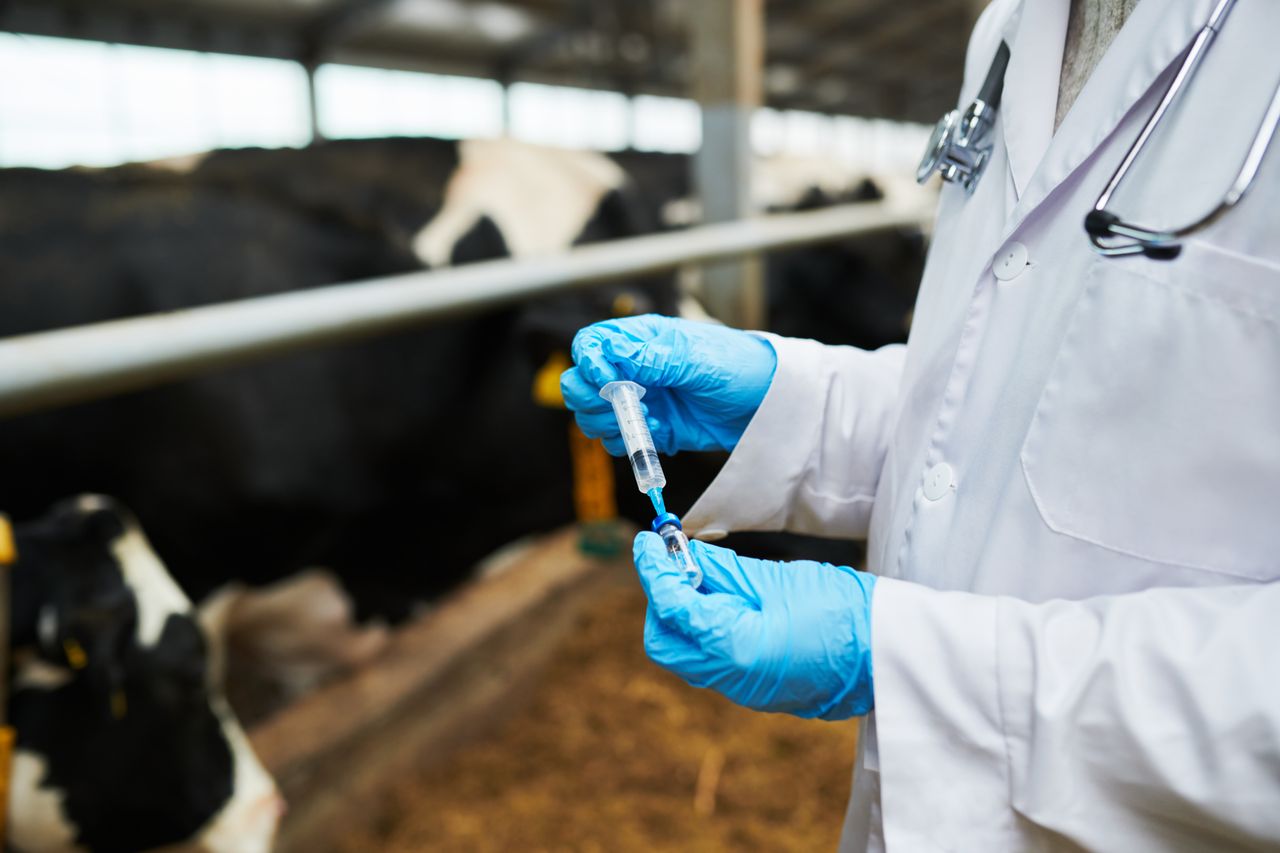
The AHDB analyst highlighted that bluetongue virus has spread across most of the western parts of the UK and up into southern Scotland.
The disease previously had a significant impact on milk volumes in Europe in the 2023/2024 season.
Stannard said: "Anecdotal reports from industry stakeholders suggest that most dairy farms have vaccinated but this is not universal and there may have been an impact earlier on in the summer."
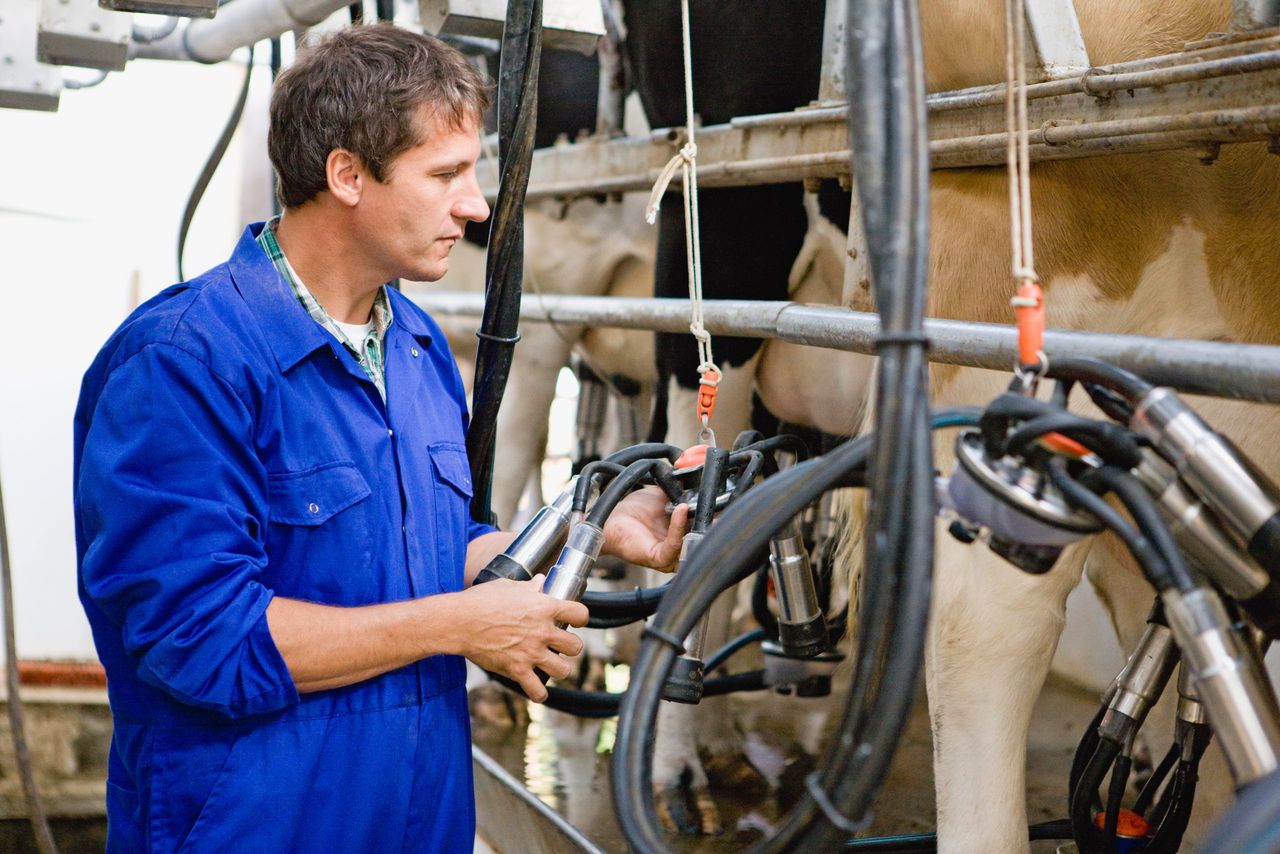
AHDB’s forecast for the 2026/2027 milk year is for supplies to reach 12.74 million litres, a drop of 284 million litres compared to the previous year or 2.2%.
"We expect that the rate of decline will decelerate closer to a 1% decline going into the first half of the 2027/28 milk year," Stannard added.
Margin pressures
The analyst also commented that some farmers under pressure may decide to cut back numbers of cows and reduce their cost base where possible.
"Others may attempt to do the opposite and milk their way out of trouble.
"However, it is increasingly likely that the cost of producing milk will continue to rise," she said.
She added that at the peak of supply concerns in August, most milk prices rose with "further positive announcements" made for September and October.
"These prices were primarily aimed at stabilising milk supplies, particularly those in the worst heat affected regions in the south and were not underpinned by rises in commodity values," Stannard explained.
"As supply fears have now eased in many quarters and commodity prices have remained relatively weak, most processors announced holds for November."
'Uncertain' market direction
She said that currently, the market direction is uncertain.
"The protein market seems set to remain strong with rising global consumer demand for protein products, but fats remain with high stock volumes and continuing strong production in most key milk producing regions," Stannard said.
"This would point towards a relatively stable outlook for prices over the next six months.
"After that, much will depend on the global supply outlook."
Stannard added that cow numbers continue the declining trend, with the size of the GB milking herd in July 2026 being 2.2% lower than a year earlier.
The GB milking herd totalled 1.57 million head as of July 2026, the lowest number recorded with a fall of 34,500 head.