Scottish farms pilot climate-resilience programme in National Park

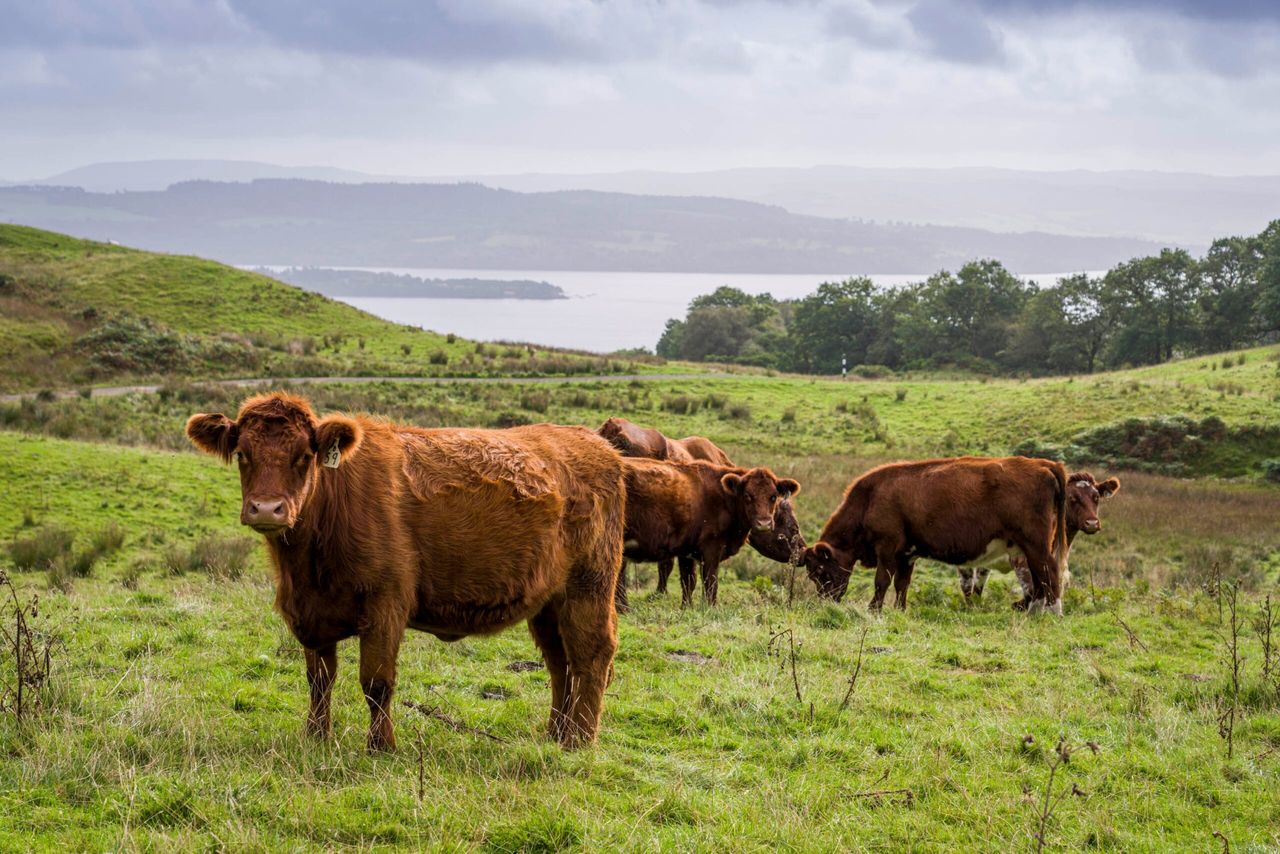
Three Scottish farms have been selected to pilot a climate‑resilient land management project in the National Park.
Loch Lomond and The Trossachs National Park Authority chose the farms to lead its Resilient Farm Network (RFN) into the next phase of its four-year programme designed to help agricultural businesses enhance resilience.
The programme involves adopting nature-friendly practices and supporting a long-term shift towards sustainable land use.
The three farms - Glen Finglas, Shemore and Portnellan - will receive tailored support as well as carbon and biodiversity audits; free financial analysis; and annual performance reviews.
They will work with specialist advisers and fellow land managers to test and refine on-farm approaches.
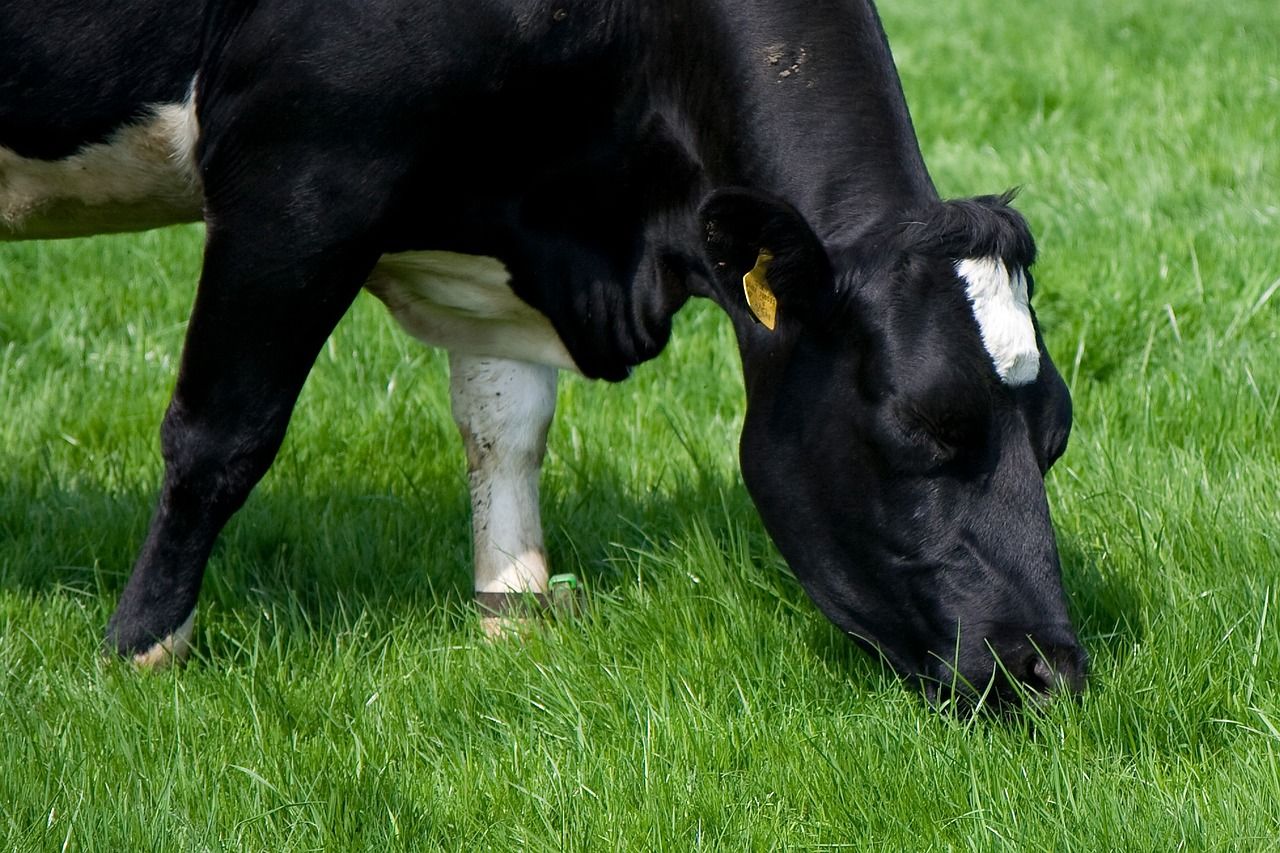
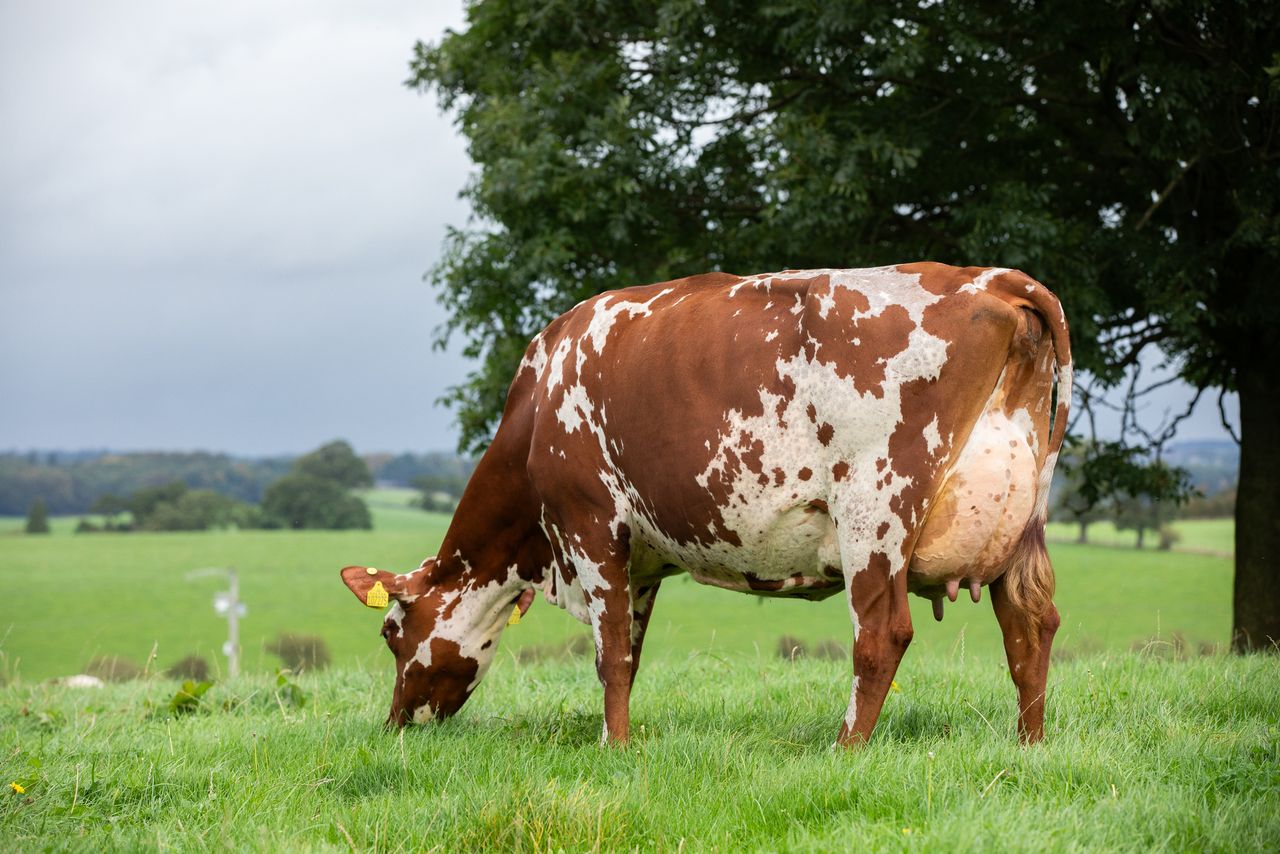
Each farm will test different approaches suited to their farm; for example, Glen Finglas and Shemore are well placed to demonstrate grazing‑led methods that support habitat restoration.
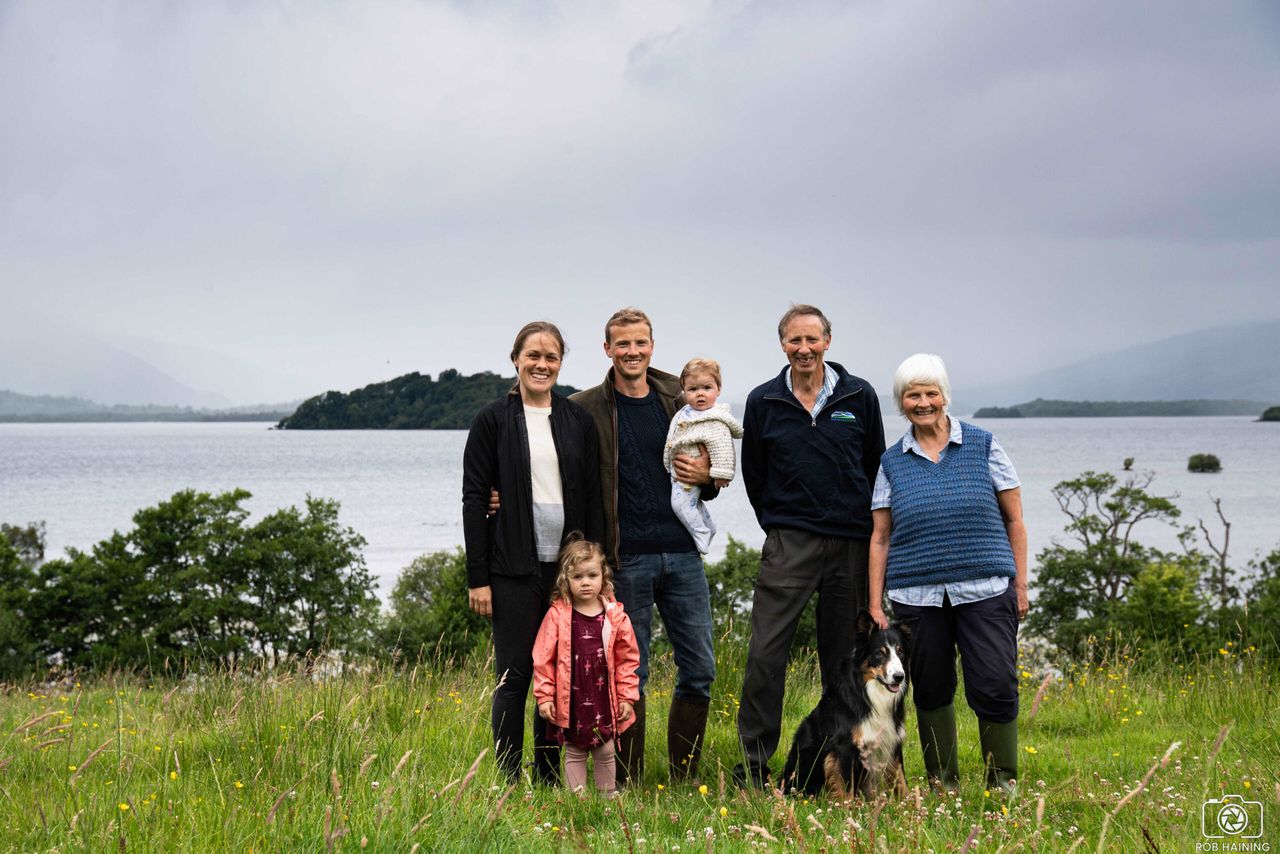
Meanwhile, Portnellan,which is a small organic grass-fed beef farm, can demonstrate showcase practical regenerative farming.
Land manager of Portnellan Farm, Freda Scott-Park, said the RFN gave her farm the chance to use long-term animal data as a way of understanding how the farm can adapt and stay resilient in the years ahead.
She explained: “A key focus for us is exploring how our soil structure and grass pastures can be improved to provide grazing resilience and enhanced biodiversity for the future.
“Through the RFN, we’ll also be able to test ideas like small-scale agroforestry, better surface-water management and new approaches to shade and shelter.”
The programme
Farmers and land managers who are members of the RFN will have the opportunity to access training, peer support, and funding opportunities.
This includes the Scottish government’s Nature Restoration Fund for projects linked to nature restoration.
The involvement of the farms marks a major step forward in establishing a National Park‑wide network.
The network will allow farmers and land managers to share knowledge in a way that that supports both business performance and nature recovery.
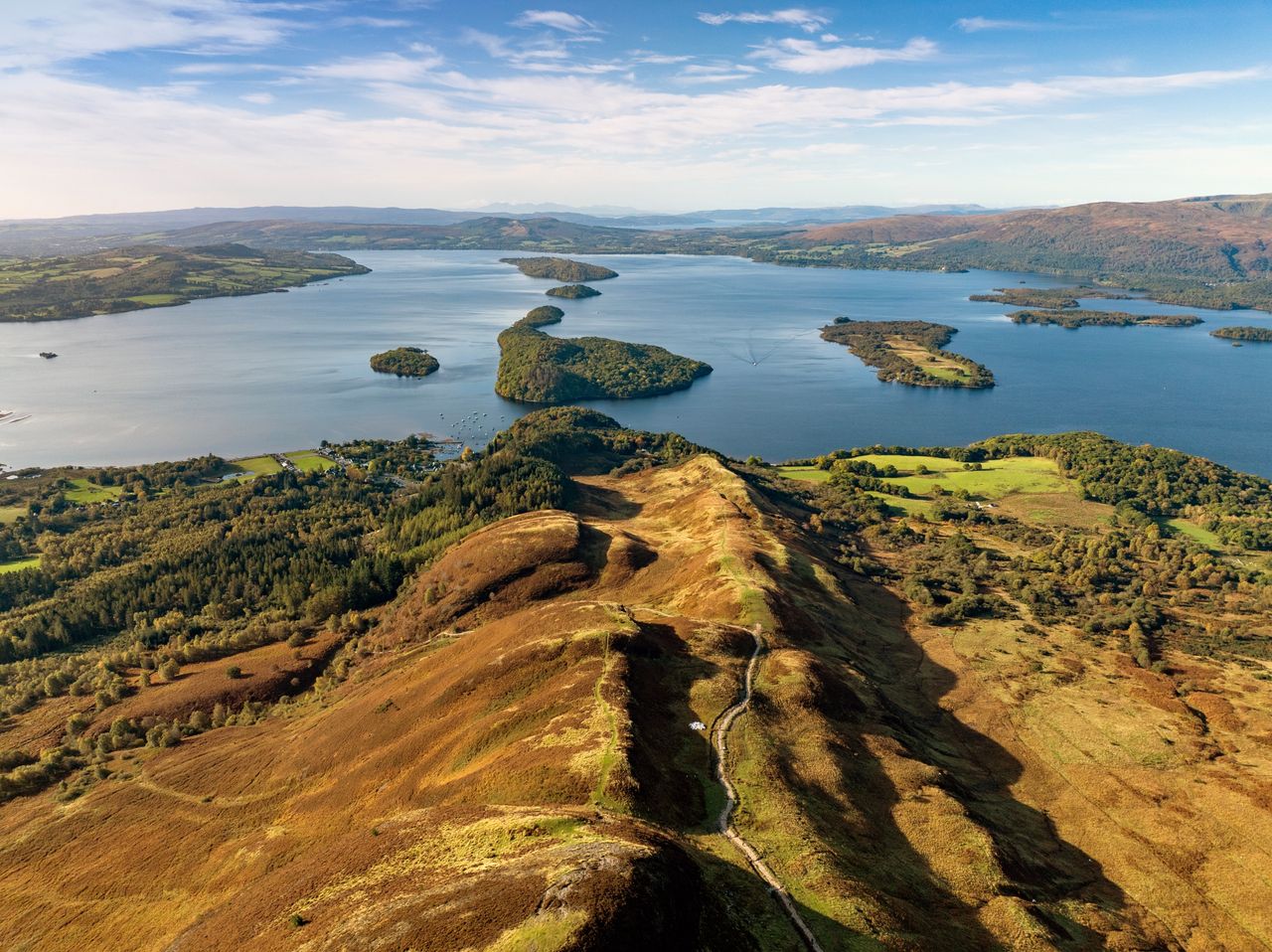
Loch Lomond and The Trossachs National Park Authority are running this programme in the aim of making farms more resilient to the impacts of unpredictable and worsening climate, such as wildfires and drought.
According to Future Nature portfolio manager, Dominic Hall, trialling different land managements will allow for a clearer understanding of the practical changes needed to help farms deal with climate pressures.
He said: “This work has become even more important after a summer of wildfires and drought across parts of the UK, with farmers and rural businesses calling for clearer, evidence led ways to cope with increasingly unpredictable conditions.”
National Park Authority
The programme aligns with the Scottish government's Academic Advisory Panel's publication which sets out climate priorities across the agricultural sector.
This report highlights that resilience is best built through whole‑farm approaches supported by farmer‑led knowledge exchange and joined‑up policy.
By adopting resilient, regenerative practices, land managers in the National Park can build more stable, productive farming systems
Agriculture Minister, Jim Fairlie said “The evidence and lessons we can learn from the existing RFN farms, and now joined by Glen Finglas, Shemore and Portnellan can benefit the wider agriculture sector, which is a vital part of rural Scotland and our economy.”