Environmental impact of English farms decreasing - study

England’s farms have reduced their impact on the environment over the past decade, according to Rothamsted Research.
This conclusion has been reached on the back of modelling, suggesting that greenhouse gas (GHG) emissions and other forms of pollution are on a downward trend.
The study, which assessed intensive farming systems between 2010 and 2021 over 72,000km² of farmland, found average reductions of 18% in the potential for both short- and long-term global warming, alongside a 21% drop in acidification risks.
In addition, the potential for eutrophication - when nutrients accumulate in water bodies - fell by 13%. This figure reflects a decrease in the nutrient run-off that can pollute rivers and lakes, according to Rothamsted Research.
Changing agriculture
The developments reflect changes over time in the structure of English agriculture, the researchers said.
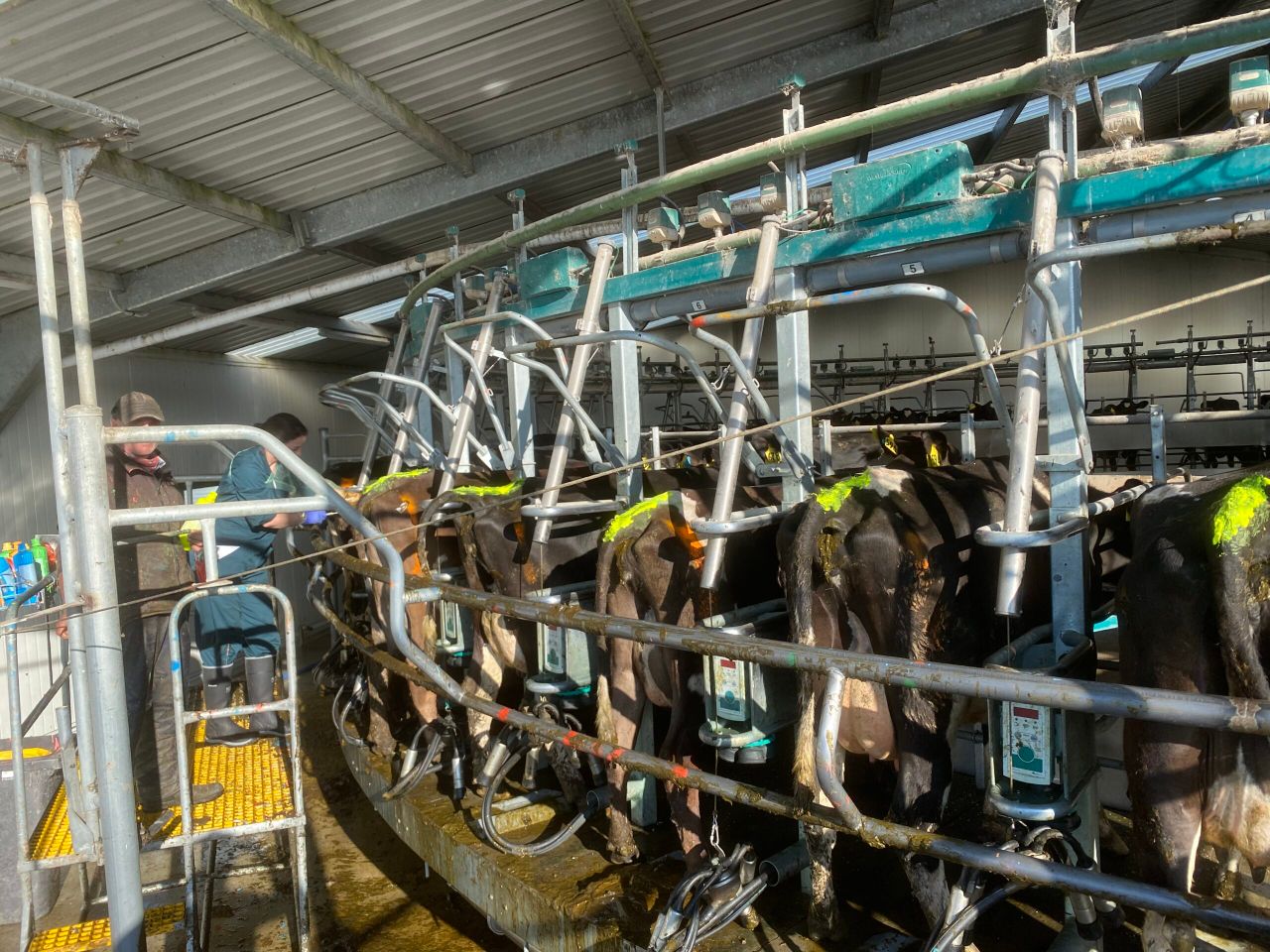
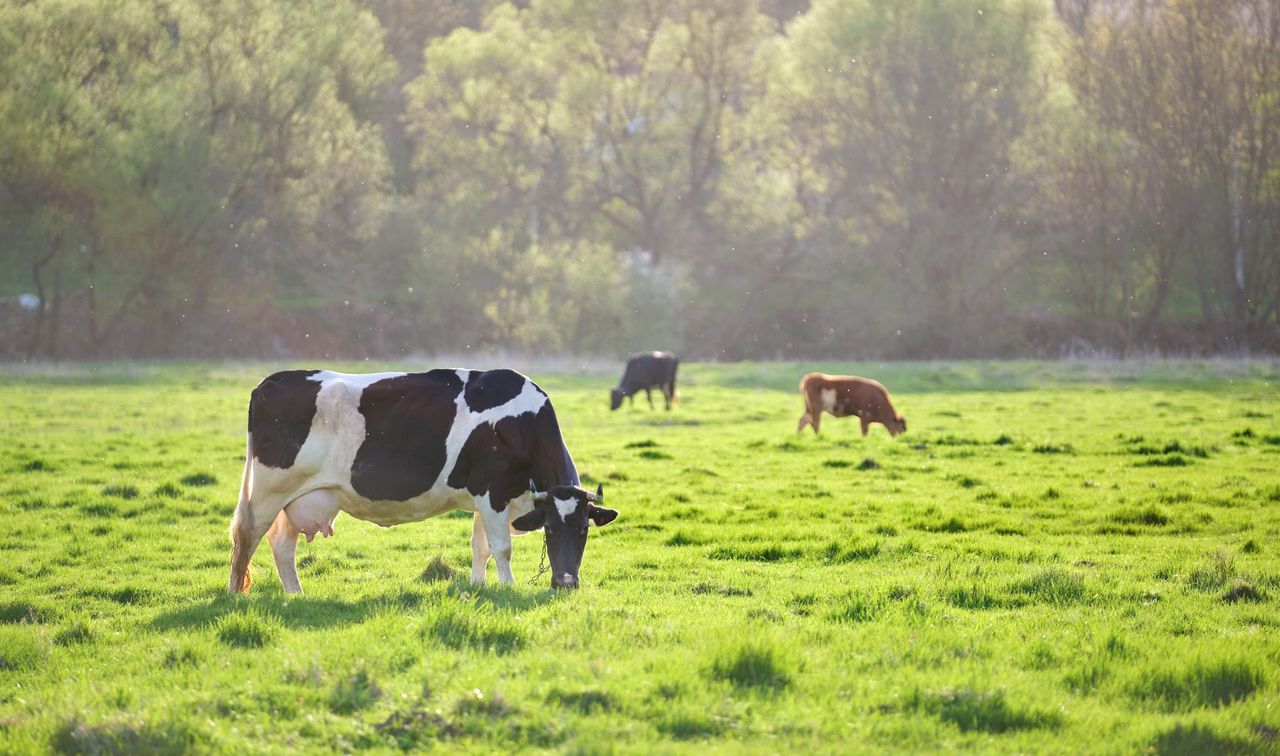
The area of land devoted to general cropping rose by nearly 4% within the period of the study, while land used for dairy contracted by 2%.
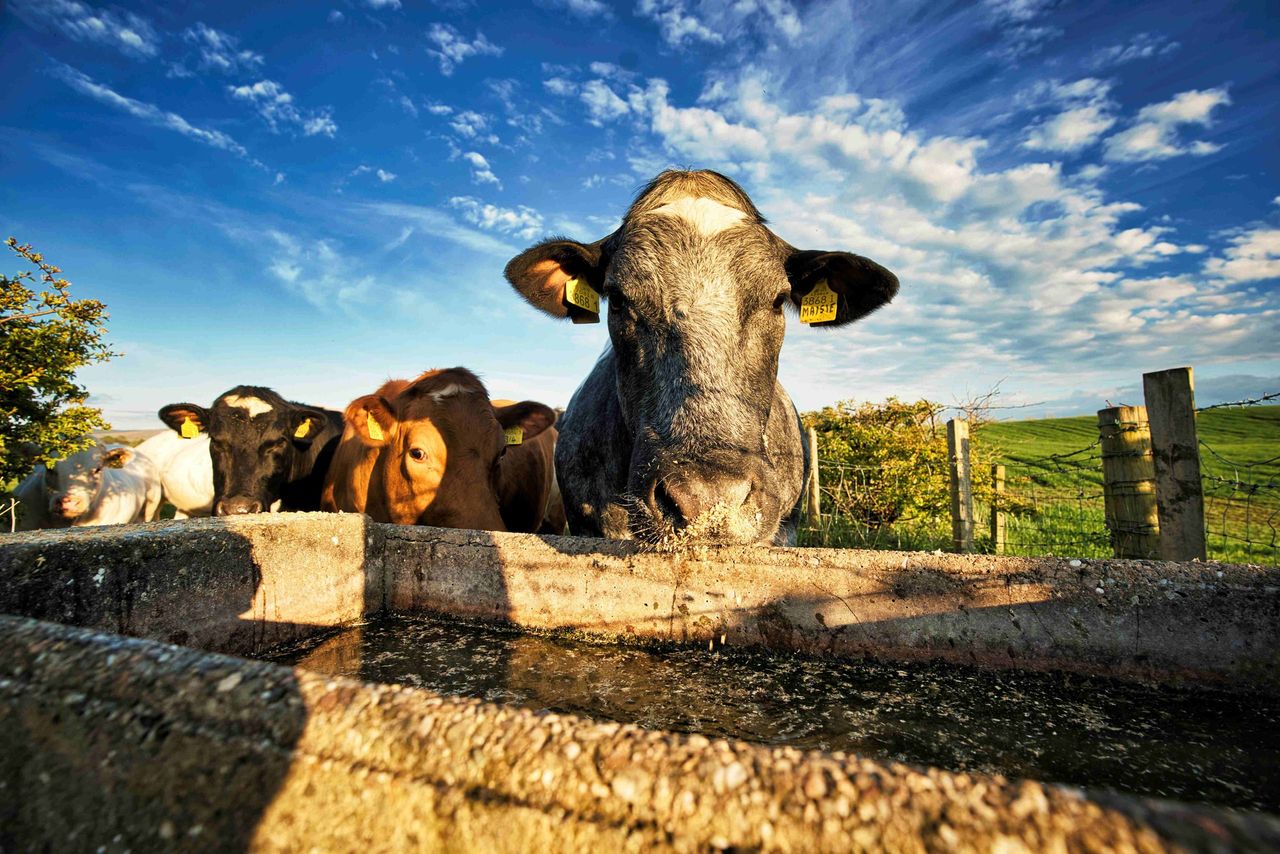
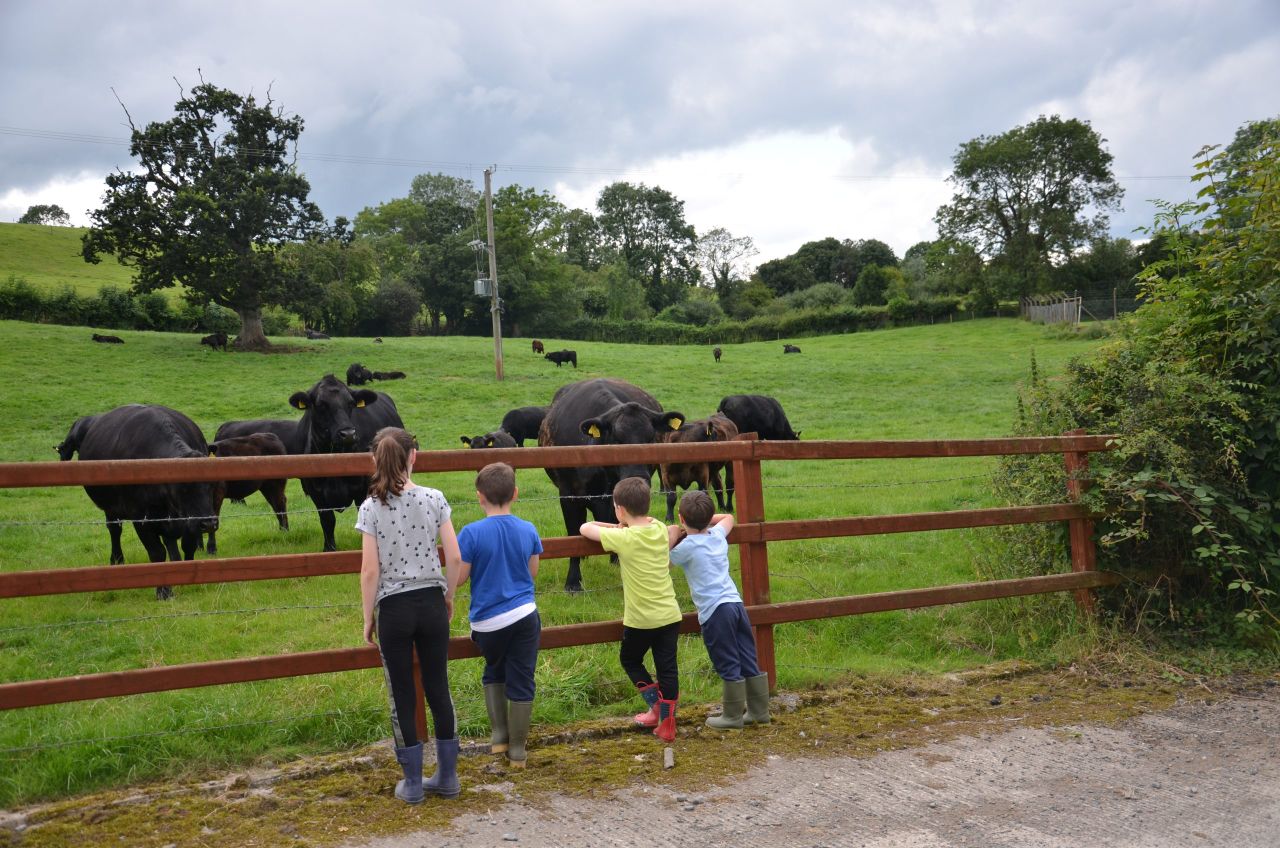
Meanwhile, registered cattle numbers fell sharply - down by 12% by 2021 compared with 2010 levels.
However, the improvements in the footprints are uneven. While some water management catchments recorded reductions of up to 76% in certain environmental indicators, others saw little progress, with less than 5% improvement.
There were some significant changes between 2016 to 2021 for some crops and land use, including an increase for rotational grass, spring barley, peas and beans, and fodder crops and a significant decrease in the area under permanent grass.
The research showed there were also more minority crops being introduced, as the area of land used for the ‘Other crops’ category expanded dramatically.
There was also evidence for increased specialisation and intensification as, relatively speaking, more arable crops were in cereal farms, more cattle on dairy farms, and more sheep and lambs on lowland grazing farms by 2021.
Climate change
These findings underline both the potential and the limitations of current farming practices in meeting climate and environmental targets.
The Rothamsted team cautioned that it remains difficult to link modelled trends directly with on-the-ground monitoring data and stress the need for regular strategic assessments integrating modelling and monitoring to inform national agricultural policy.
With climate change, energy insecurity and resource depletion creating mounting pressures on food systems, Rothamsted scientists argue that policymakers must combine regulation, stacked financial incentives, and better co-ordinated strategic practical advice to help farmers and land managers continue to cut their environmental impacts.
Significantly, the study focussed on domestic livestock and did not investigate the externalisation of GHG emissions from meat imported from other countries.
A more complete life-cycle analysis is something the researchers say they would like to pursue in future.