Farmers returning to their roots through revived farming practices

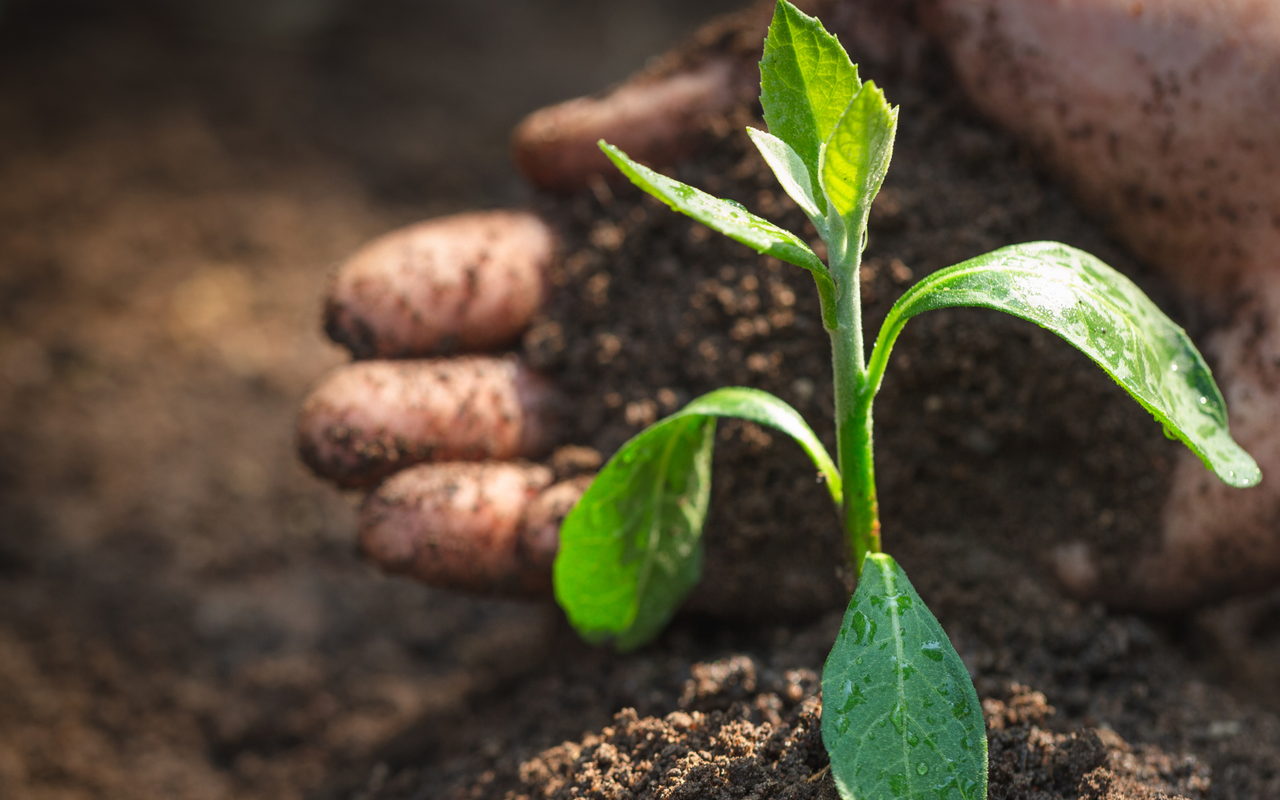
As the 2026 harvest comes to a close, farmers are trying new ways to improve their soil health after a long dry summer.
However, some of these changes may not be as radical as you would think.
According to a survey conducted by Censuswide among 100 farmers between September 7-14, and commissioned by pet care brand Purina, many farmers are going back to their roots and using farming techniques that would have been used in the past.
The findings showed that 86% of farmers combine traditional farming practices with modern tools such as soil testing, biological testing, or precision technology.
Many farmers find that regenerative farming practices used today - such as cover crops, maintaining hedgerows, and crop rotation - would have been familiar to their grandparents’ generation.
As weather becomes more and more unpredictable soil health begins to deteriorate.
Pressure to adapt is growing. 87% of farmers surveyed said they are more likely to consider changing how they farm to improve soil health and resilience to extreme weather than they were five years ago.
Costs
Censuswide also surveyed 2,000 UK consumers on their concerns surrounding food production.
This revealed that 52% of adults are worried about the weather's impact on grocery prices, while 39% are concerned about the future of food production.
As weather begins to change more rapidly and drastically as the years progress, farming becomes less predictable, which led 81% of the farmers to agree that understanding soil is essential.
According to the Censuswide report, farmers changing their practices is a reflection of both economic and environmental pressures such as rising fertiliser costs and prolonged dry periods.
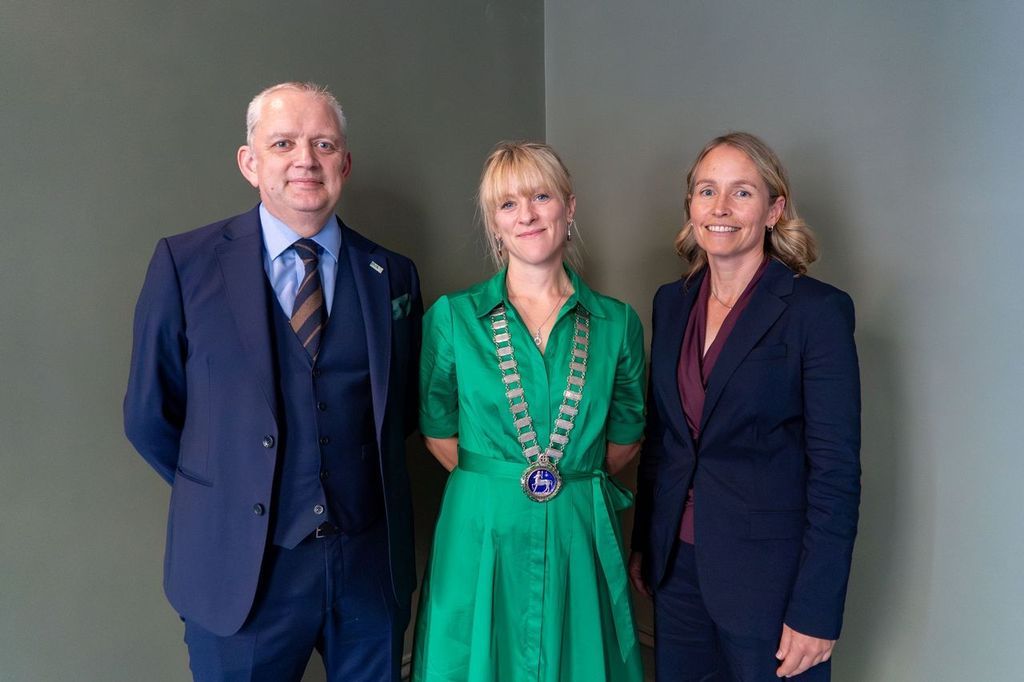
Claire Donkin
Claire Donkin is a wheat farmer and agronomist from Bedfordshire, England, who is one of one of 110 UK wheat farmers supported by Purina through the Landscape Enterprising Networks (LEN).
LEN is a collaborative framework that connects private businesses, public bodies, and land managers to co-invest in regenerative agriculture and nature-based solutions.
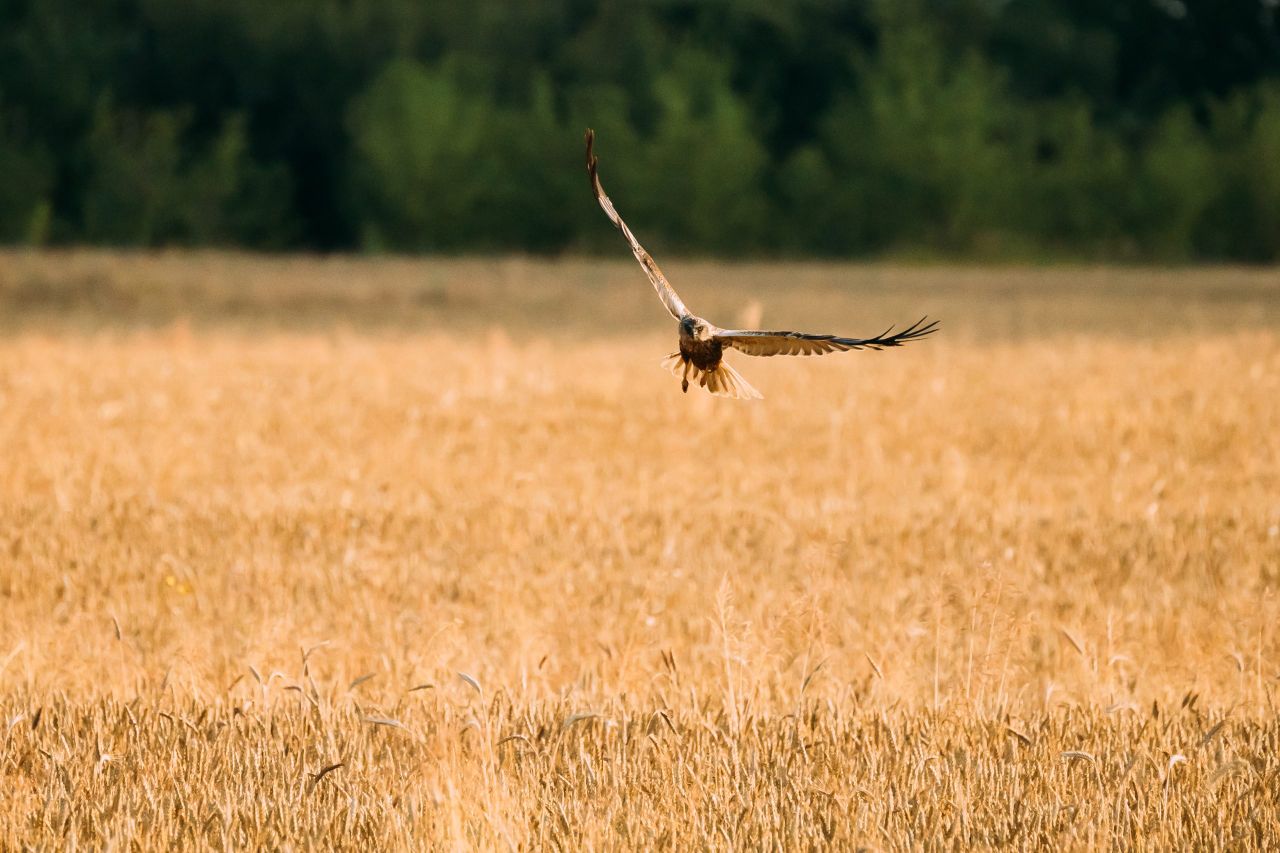
According to Donkin, who is also Len farmer of the year, her wheat yield is around 30% below what she would normally expect this year the hot weather this summer has put wheat under even more pressure.
She said: “We can look after the soil and try to give the farm the best chance of coping with whatever comes next.
“Many of the principles we are coming back to are things earlier generations of farmers would recognise immediately.
"From rotating crops, keeping the ground covered and looking after hedgerows, it's not new.”
"The difference is that we can now put modern science around that knowledge.”
In the past five years, almost a third (29%) of farmers surveyed said they had introduced or increased planting or maintaining hedgerows, while 23% had introduced or increased the use of cover crops or keeping soil covered.
Donkin added: “Our cover crops are helping reduce the amount of nitrogen fertiliser we need, cutting costs and giving us an early measurable sign that some of the changes are working.
"It does not offset a difficult summer, but it gives us something positive to build on.”