Fonterra unveils NZ$1 billion investment in protein manufacturing

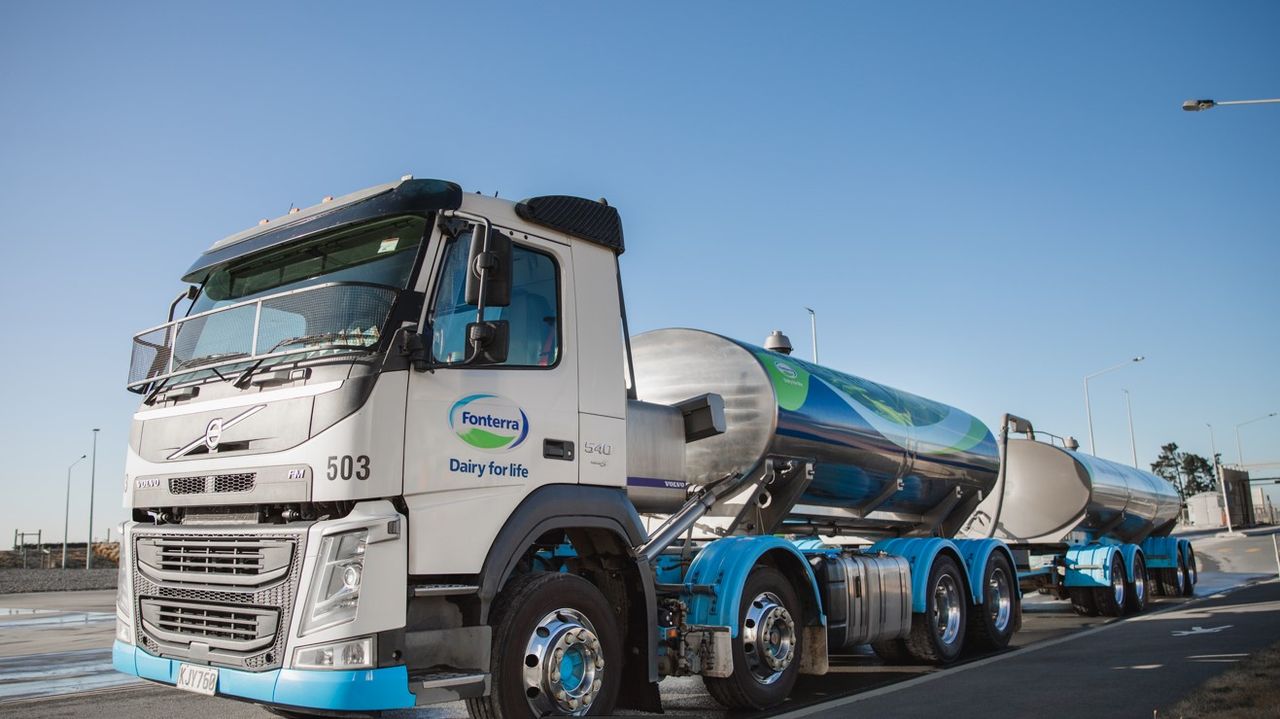
New Zealand dairy co-op Fonterra has announced plans to invest NZ$1 billion (£420 million) to expand its protein manufacturing network over the next three years.
As global demand for advanced protein continues to grow, Fonterra said the investment on the South Island will also improve the co-op's environmental performance in terms of emissions and water impact.
The investment, expected to created up to 60 permanent jobs, will allow the co-op to move more milk from whole milk powder and commodities into "high-value products".
"These projects position the co-op to respond to changes in how people want to consume dairy, with a growing focus on sustainably produced, protein-rich and nutrient-dense foods," Richard Allen, Fonterra chief executive, said.
"They are critical to our future value growth and improve our optionality, increase our capacity and, as a result, strengthen returns for farmers and shareholders over the long term," he added.
Over the next three years, Fonterra expects total capital investment to be approximately NZ$1.3-1.6 billion per annum.
Fonterra
The announcement comes as Fonterra reported NZ$27 billion in revenue for the 2026 fiscal year (FY26), along with NZ$19.6 in cash returns to farmer shareholders.
Total group reported operating profit was NZ$3.4 billion, up from NZ$1.7 billion last year.
This figure was boosted by NZ$1.2 billion after the co-op's sale of its global consumer and associated businesses, Mainland Group, to French dairy company, Lactalis.
The accounts show that Fonterra's FY26 profit after tax was NZ$2.6 billion, up 142% on the previous year.
Fonterra's Ingredients business delivered NZ$1.3 billion in operating profit, "supported by strong global protein demand, favourable pricing and product mix decisions".
The Foodservice division recorded NZ$547 million in operating profit, driven largely by volume and pricing growth across all product categories and markets.
The co-op confirmed a final dividend of 33 cents per share, bringing total dividends for the year to 73 cents per share.
This includes the 24 cent interim dividend and 16 cent special Mainland dividend paid in April.
Milk price
The final farmgate milk price for the 2025/2026 season was NZ$9.69 per kilogramme of milk solids (kgMS).
Looking ahead, Fonterra chief excutive Richard Allen said the co-op is "planning for another season of strong milk supply".
"However, we are also well prepared for an El Nino weather pattern should this eventuate," he said.
The co-op is forecasting milk collections for the 2026/2027 season to be just above 1.6 billion kgMS, and a farmgate milk price of $9.50 per kgMS with a range of NZ$8.50-$10.50 per kgMS.
The 2026/2027 organic milk price forecast is NZ$14.30 per kgMS within a range of NZ$13.30-$15.30 per kgMS.
This year, Fonterra confirmed the planned expansion of its organic milk business and is continuing a recruitment drive for organic farmers "to meet growing demand".

The Fonterra CEO says the co-op’s "disciplined approach to strategic execution has once again generated strong results".
"FY26 was a year of delivery. Our teams collected, processed and shipped near record volumes of milk, allocated products for the highest possible returns, and reliably delivered them to our customers right around the world.
"Despite some challenging conditions, including weather events and geopolitical volatility, we leveraged our full supply chain network and logistics partnerships to keep milk moving, achieving record shipping volumes and materially improving our delivery performance," he said.
Last year, Fonterra set a target for earnings to return to FY25 levels within three years if the consumer and associated businesses were divested.
Allen said the co-op's performance in FY26 means that target has already been reached.
As a result, Fonterra's forecast earnings range for FY27 is 65-85 cents per share.
"This improving outlook reflects continued delivery from our B2B businesses, as they continue to grow high-value demand across our markets.
"Geopolitical volatility remains and with only two months complete, previous seasons tell us that things can always change," he said.