Wheat Initiative marks 15 years of global research collaboration
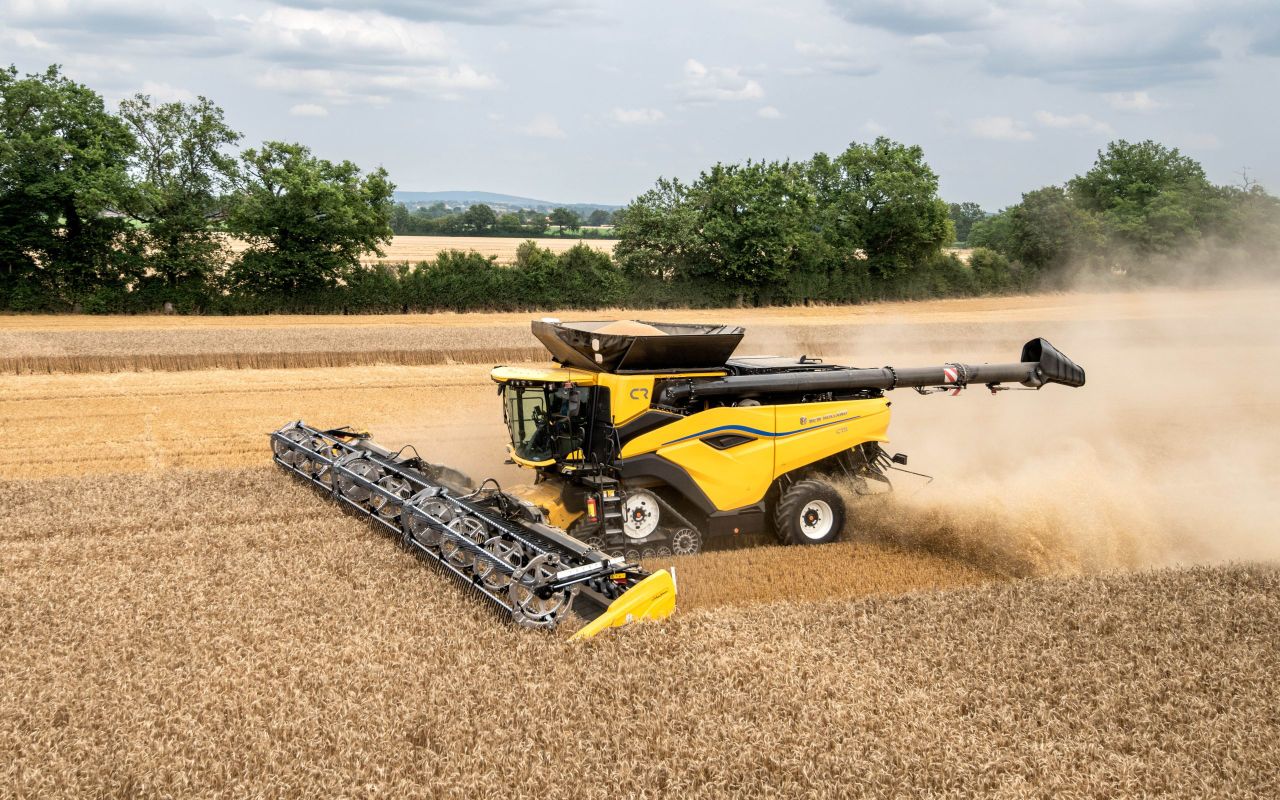
This year is the 15th anniversary of the Wheat Initiative (WI), which co-ordinates research into the world's most important cereal crop.
Wheat remains the cereal crop that is most widely grown in countries around the world. It is a staple food item, resonating on a global basis.
In 2011, the WI, originally named the International Research Initiative for Wheat Improvement (IRIWI), was established in response to a clear international challenge: how can the global wheat research community work better together to address pressing food security issues of the future?
Fifteen years later, the answer can be seen in a growing network of wheat scientists, shared priorities, international programmes, and research collaborations connected across countries and disciplines.
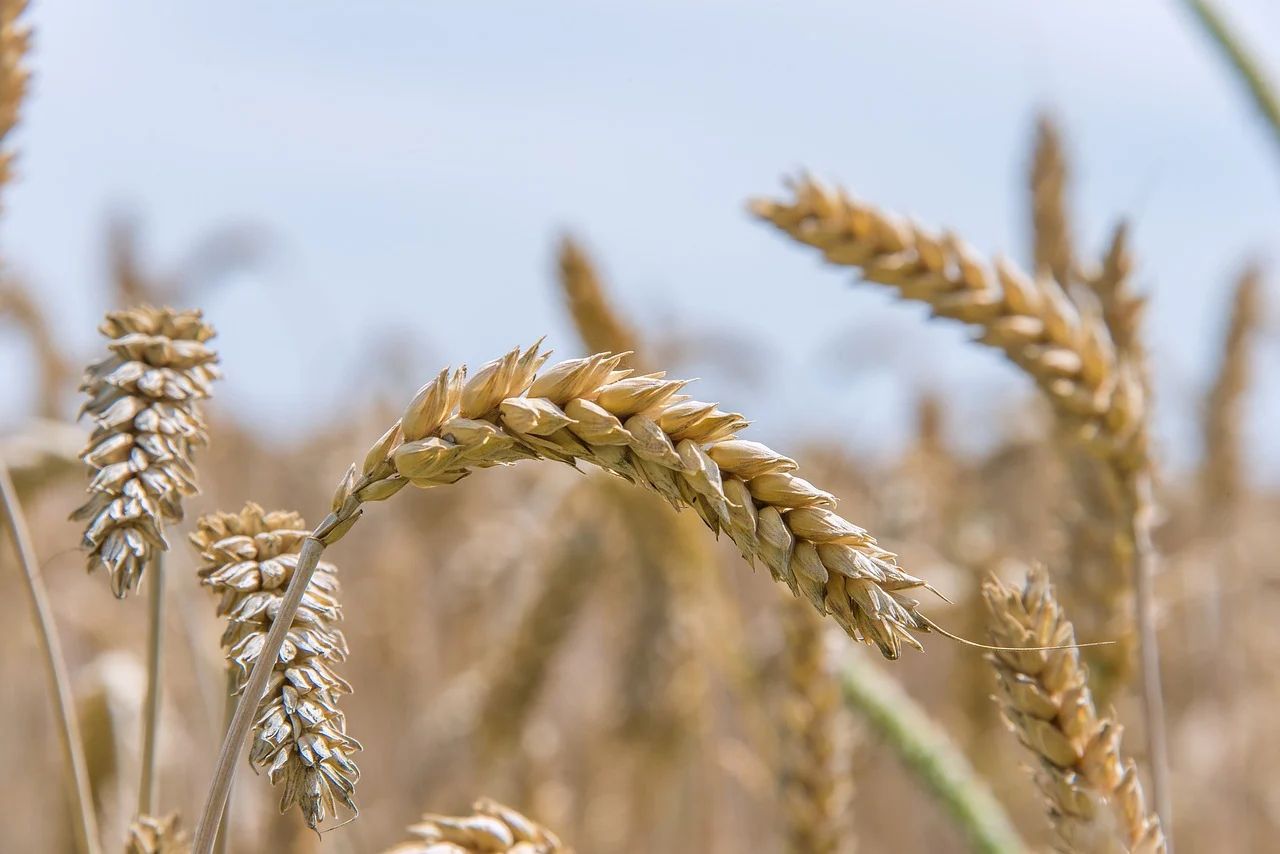
The WI facilitates connecting researchers, institutions, funders and other stakeholders around improving scientific efforts for wheat, while sharing priorities and challenges.
Ireland and the United Kingdom are among the 12 member countries that are part of the Wheat Initiative.
The initiative has built 11 expert working groups (EWGs) over the years that are at the heart of this effort.
With chairs from 13 different countries, each EWG focusses on a key scientific topic and brings international experts together through joint activities, knowledge exchange and capacity building, developing sustained networks spanning countries and institutions.
Strategic research agenda
A key contribution of the WI to the global research landscape has been the development of its strategic research agenda (SRA).
The SRA was created in 2015 and updated in 2022, with a third version currently under development.
It provides an opportunity for policymakers, public research institutions and industry to identify and coordinate international research priorities within wheat science, addressing the demands identified.
The WI has also contributed to developing shared research information infrastructure.
The Wheat Information System (WheatIS) facilitates the discovery and access of wheat datasets worldwide, supporting data sharing and standardisation.
WheatVIVO connects scientists, organisations, projects, publications and expertise, strengthening visibility and collaboration across the global wheat research community.
Through its coordination role, the WI has also supported and connected major international collaborative programmes.
These include the International Wheat Genome Sequencing Consortium (IWGSC) and the International Wheat Yield Partnership (IWYP).
This unique resource is added to by established associated programmes and initiatives addressing specific priorities, as the Alliance for Wheat Adaptation to Heat and Drought (AHEAD) and the Wheat Alliance for Diagnostics and Monitoring (WATCH-A).
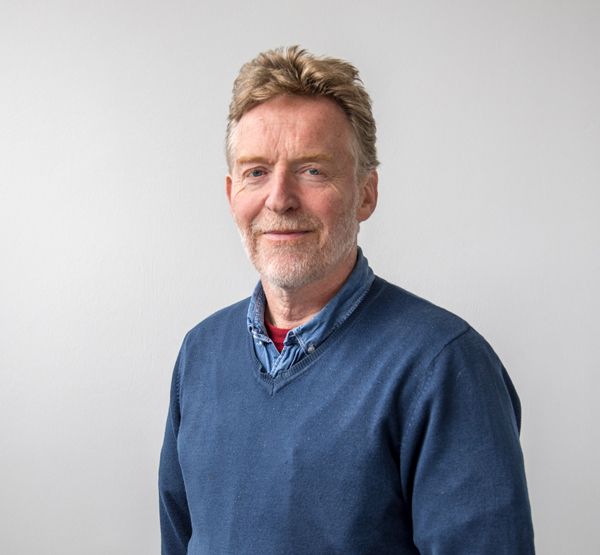
Chair of the Wheat Initiative Board and head of the Teagasc Crops, Environment and Land Use Programme, John Spink commented:
“Wheat is the world’s most traded food and accounts for roughly 20% of the global calories and protein we consume."
The WI has also organised the International Wheat Congress since 2019, when the two main international conferences on wheat merged.
Over the past 15 years and with the help of the members of the WI, international meetings, workshops and webinars could be coordinated, and further opportunities to exchange knowledge, build relationships, and promote new collaborations within the wheat world were founded.
All this would not be possible without the strong support of the WI hosts, during the first years from the French National Research Institute for Agriculture, Food and Environment (INRAE) and, since 2018, from the German Federal Ministry of Agriculture, Food and Regional Identity (BMLEH) and the Julius Kuhn Institute (JKI).