Are farmers vaccinating the herd at the wrong time?

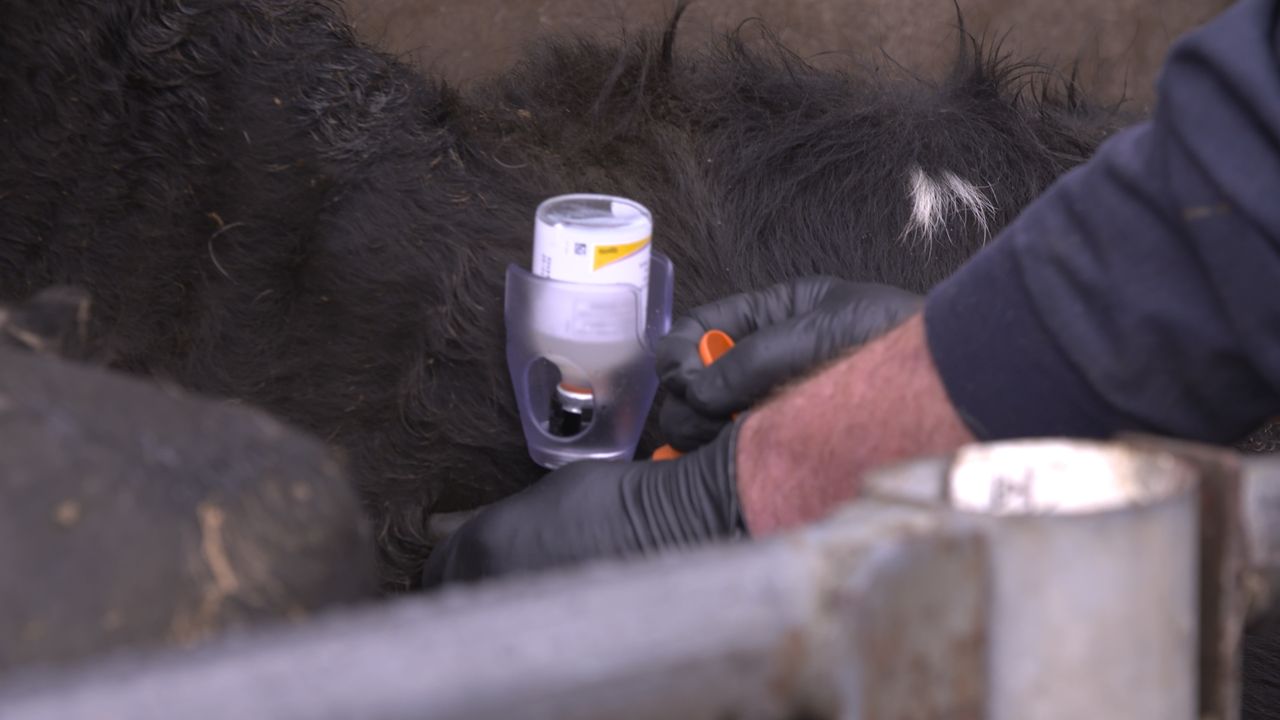
Are farmers making life more difficult for both man and beast by following the traditional vaccination windows?
Research suggests that implementing a vaccination programme during the dry period may be just as beneficial as the spring.
Whether your vaccination programme is targeting leptospirosis, infectious bovine rhinotracheitis (IBR), salmonellosis, bovine viral diarrhoea (BVD), clostridium, pneumonia, or something else, the timing can make all the difference.
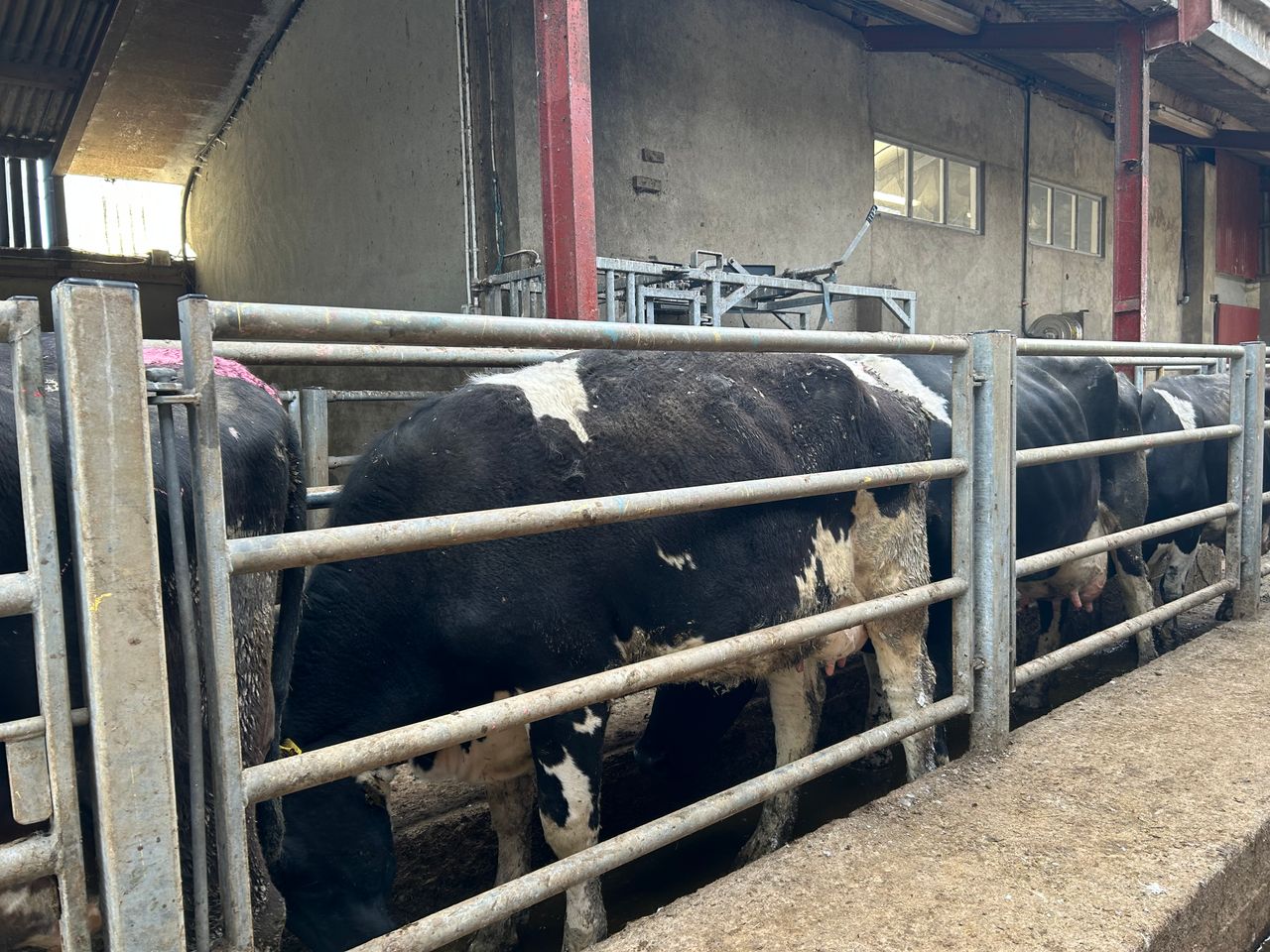
The most important thing is to stay away from vaccinating during the transition period, which is the three weeks before and the three weeks after calving.
Vaccinating can often be as good as useless during this time due to the hormonal and metabolic changes the cow is experiencing, as these changes can leave the animals immune cells with weak responses.
Because of this, the majority of farmers go in with vaccines a month or two post-calving, but is this efficient?
Vaccination times
March and April are still a hectic time of the year, as most farms will have calves to feed, the majority of the cows will be going through the parlour, and grassland management is full on, leaving time for vaccinating scare, and often put on the long finger.
As well as this, cows are heading into peak milk production and can have fluctuated diets, especially in poor years, leaving plenty cases of negative energy balance.
To top it off, there is often a proportion of the herd only recovering from issues which arise at calving, such as endometritis, mastitis, or other abomasal conditions.
New research which is being conducted shows that vaccinating two weeks before drying-off could be an efficient solution.
Similar to the transition period, farmers should avoid vaccinating during dry-off, as the cow will be going through changes.

But going in a fortnight before may provide adequate protection, with vaccines getting optimal conditions in a controlled diet situation.
It has being noted that milk yield will reduce by 5-10% by vaccinating during this time, but then again, it would mean milk yield is higher in peak production.
Vaccinating during the dry period also has the potential to boost the calves immune system, as antibody concentrations in the cows colostrum should theoretically be higher.
The researchers did note that there is not yet adequate data to prove winter vaccinations are in fact more effective, but it may be a consideration in the near future.