Five new calves born to one of UK’s rarest cattle breeds

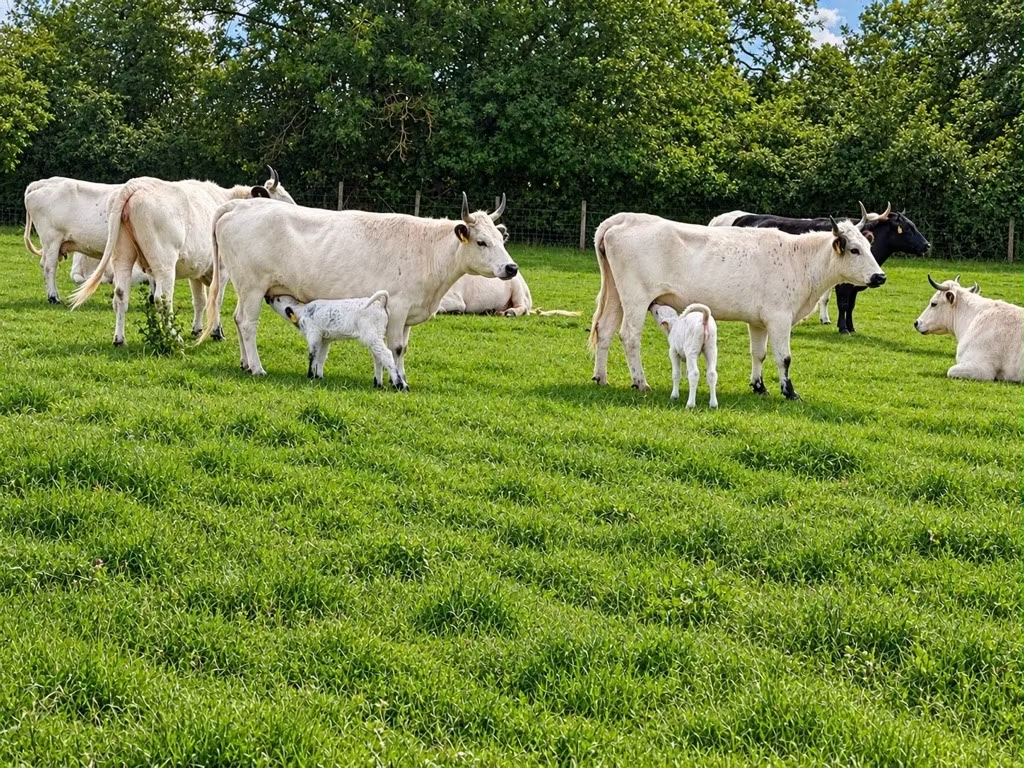
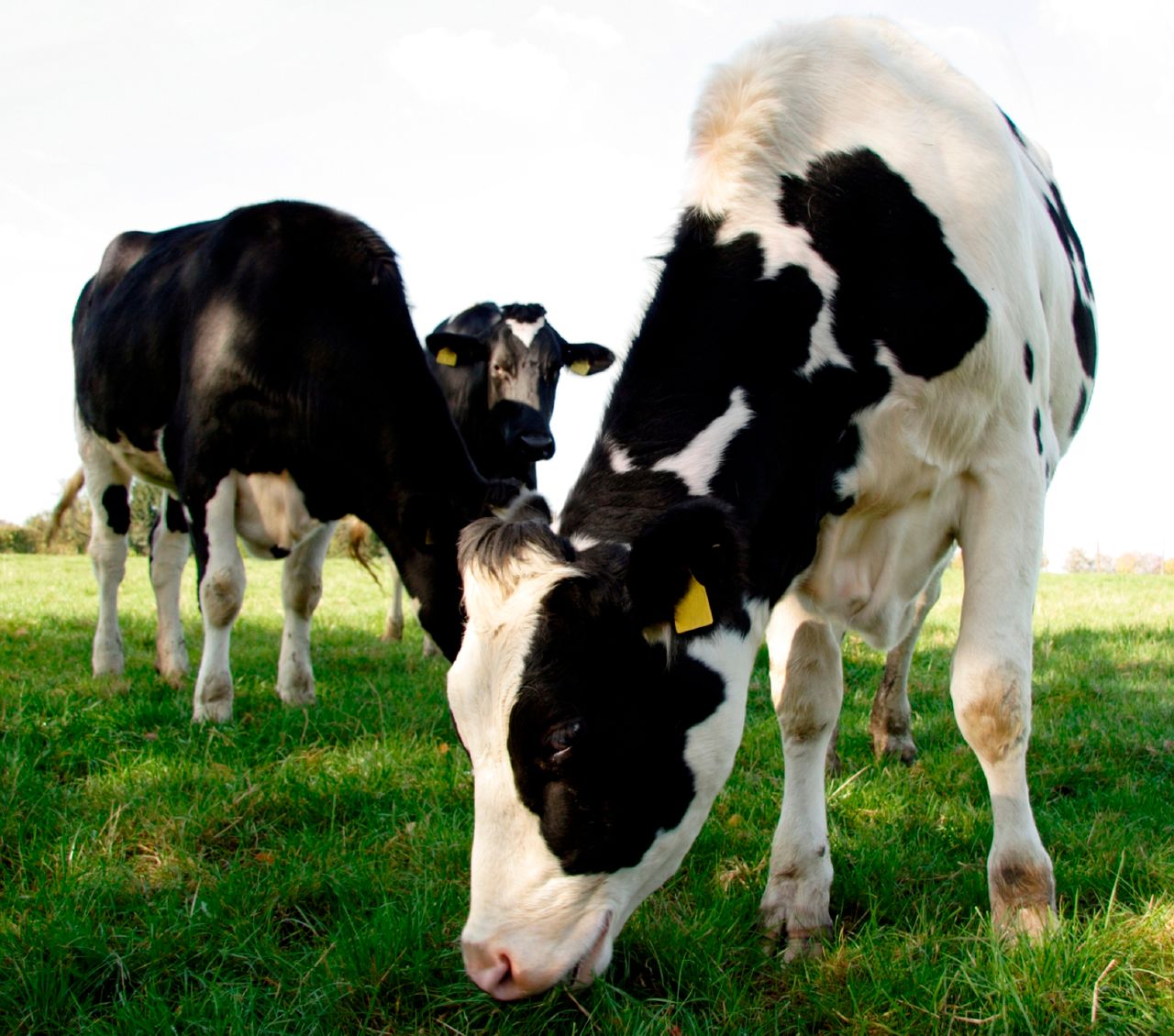
Five calves of the rare Vaynol cattle breed have been born on Temple Newsam's Home Farm near Leeds in the UK.
The new arrivals form part of only about 100 cattle of the breed in the UK, which trace their origin to the 19th Century.
The breed has been categorised as 'priority' by the Rare Breed Survival Trust (RBST) in that country.
There has reportedly been a herd of Vaynol Cows on Temple Newsam since the 1980s.
"The team here works hard to protect these rare breeds that the farm is home to, and it’s always wonderful when we can successfully grow the herd,” farm manager at Temple Newsam Richard Aldis, said in the report.
Rare breed
According to the RBST website, the Vaynol is one of the UK’s rarest native cattle breeds, with fewer than 100 registered breeding animals.
“Originating in 1872 at Vaynol Park near Bangor, North Wales, it was maintained with minimal human intervention, preserving its primitive characteristics.
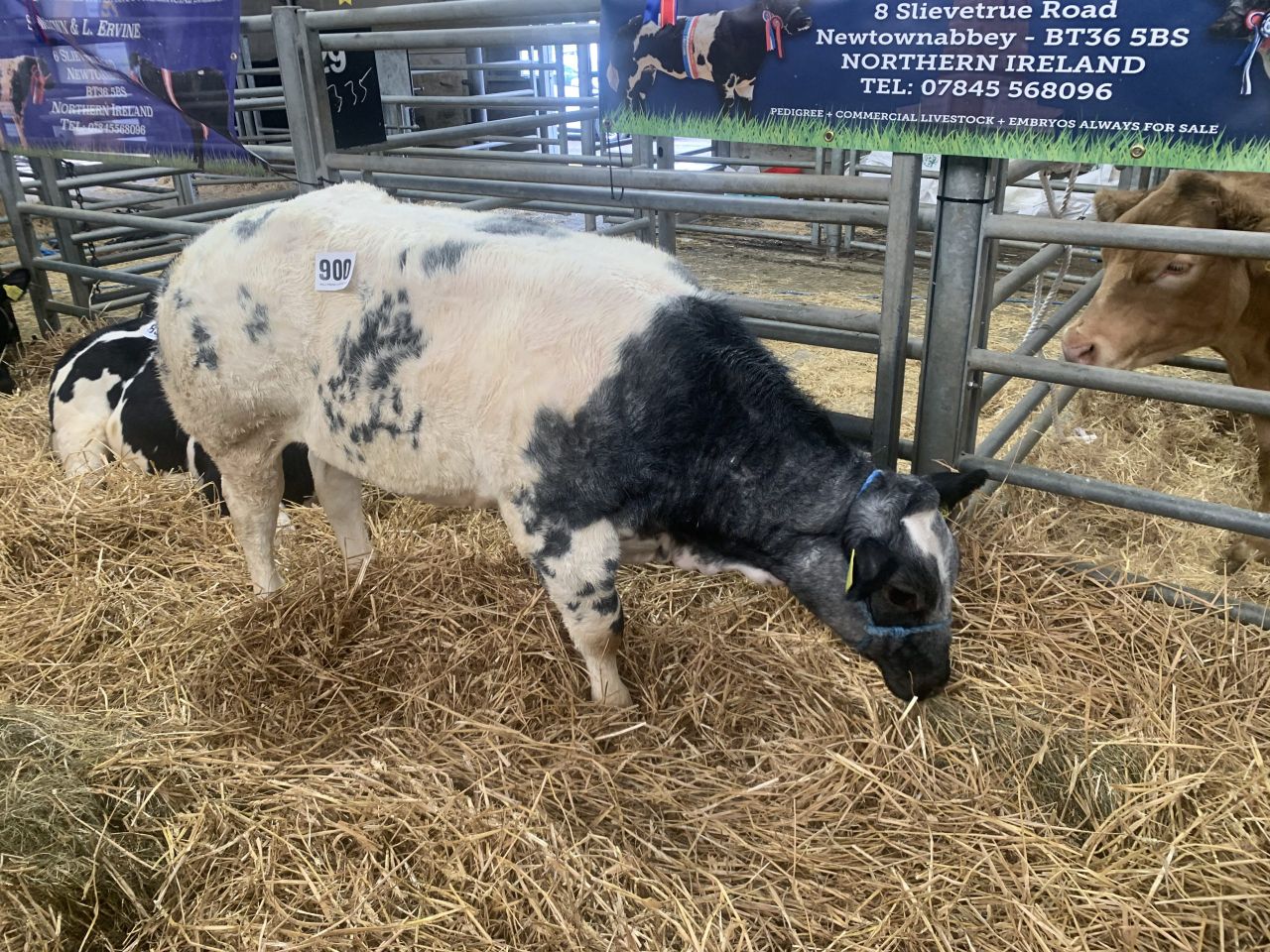
“It is a small to medium-sized breed, most commonly white with black points or spotting, and has a distinctive primitive type,” it said.
The breed is currently being conserved as part of a collaborative breeding programme operated by the Vaynol Cattle Breeders Association.
Semen stored in the RBST Gene Bank is used as part of the programme, which is further being facilitated by biotechnological advances such as embryo transfer, with the first successful transfer made in 2021, RBST website said.
Vaynol cattle can now be found at five locations across the UK, and Temple Newsam is home to one one bull, 14 breeding cows, five heifers, and the new calves, according to the report.
Temple Newsam is one of the largest rare breed farms in Europe, with every breed there native to the UK.
This includes white faced woodland sheep, middle white pigs, and Bagot goats, the report said.
Rare Breed Survival Trust
RBST aims to conserve and promote the UK's native livestock and equine breeds, including sheep, cattle, pigs or poultry.
The trust states on its website that these breeds "are sustainable alternatives to the intensively farmed breeds that have come to dominate our countryside in recent decades".
"Our original native breeds are now beginning to be recognised as extraordinary animals which bring incredible benefits to nature.
"Perfectly adapted to our landscapes, thriving in a variety of environments, they can help restore degraded soil, improve our biodiversity, provide public benefits and provide commercial opportunities including meat, eggs, wools and skins."