

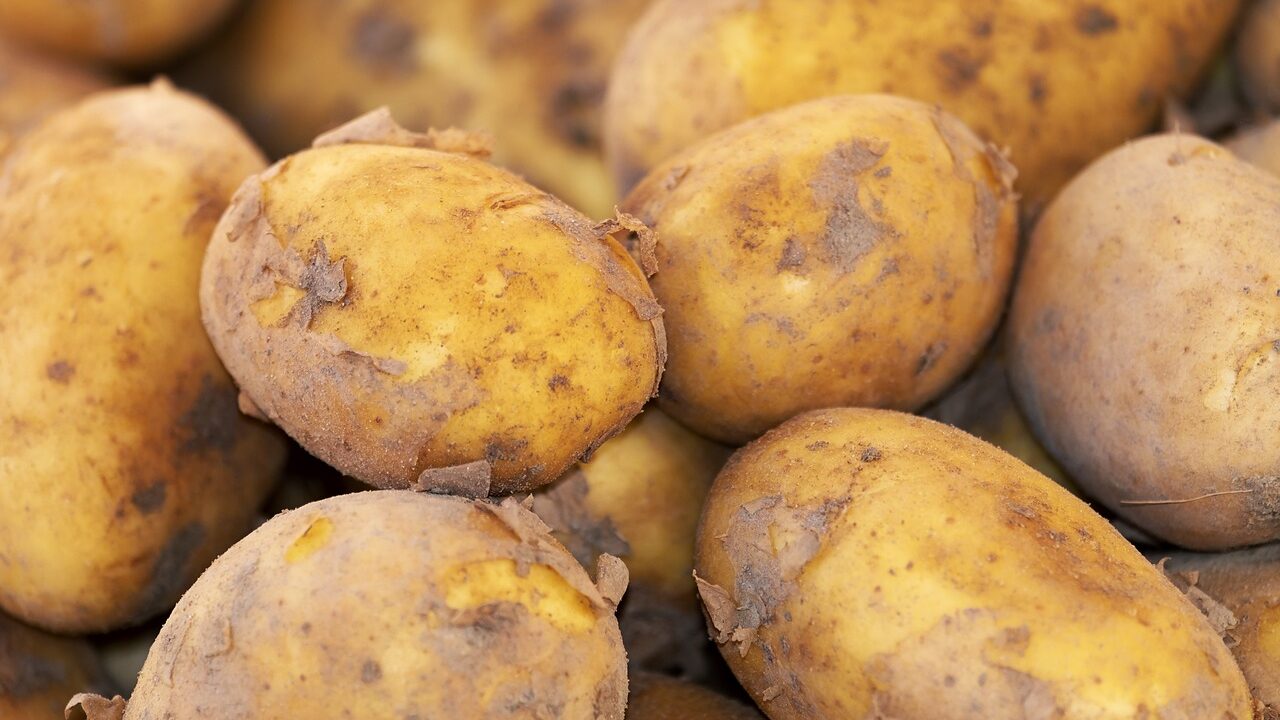
Northern Ireland’s maincrop potato harvest for 2025 is now 95% complete, according to Co. Down-based agronomist, Richard Owens.
He told Agriland that as ground conditions are now extremely poor, it will be January – or possibly February – of next year before the remainder of the crop is lifted.
He said: “The 2025 growing season has been one of significant contrast for potato growers.”
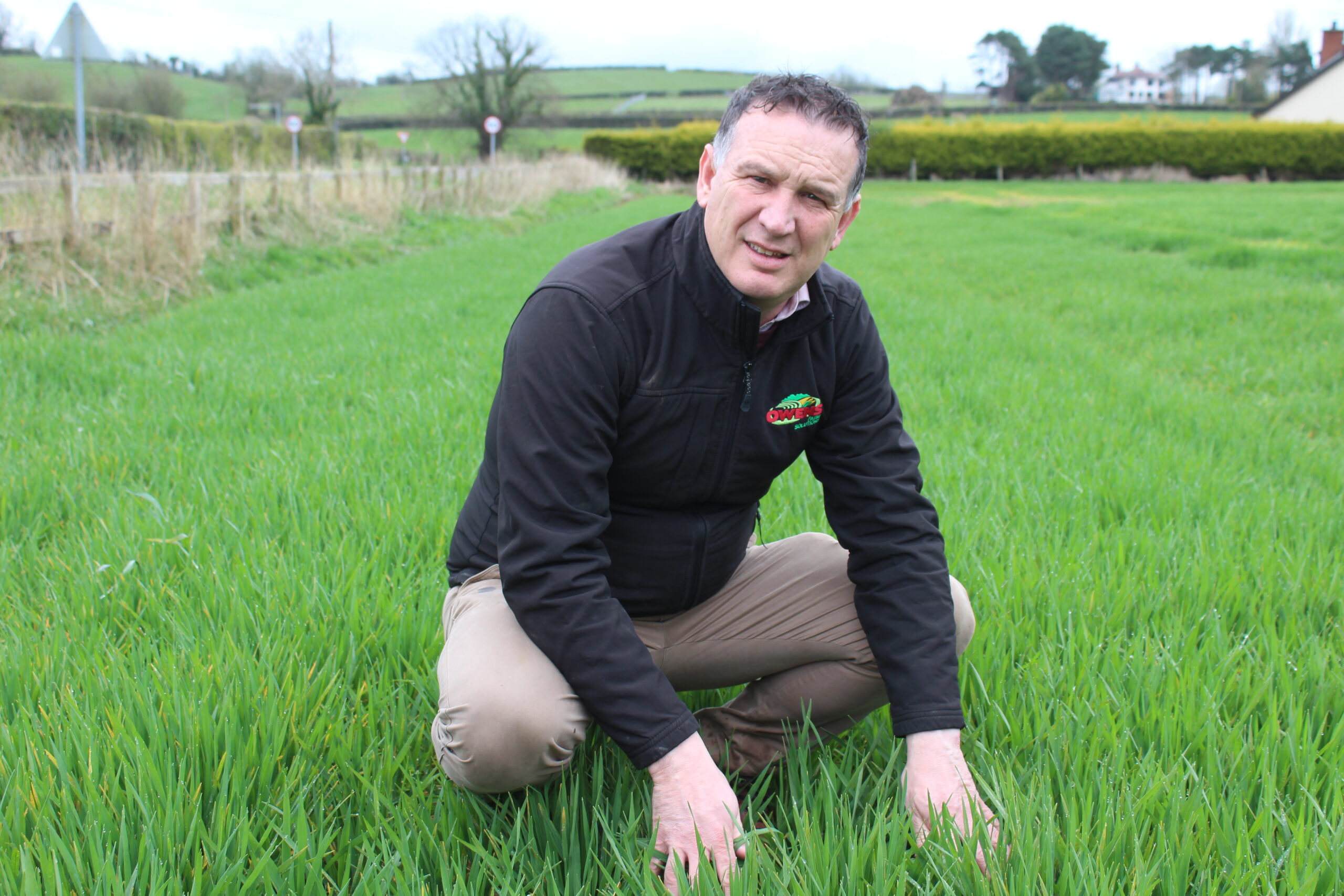
According to Owens, there have been significant variations in yield, with some quality issues also arising.
“Much of this can be accounted for by the pretty extreme weather conditions that crops have experienced from the time of planting onwards,” he said.
“Drought conditions impacted badly on crops during late April and again in late June.
“As a result, potatoes have been harvested with high dry matters – in excess of 23% in some cases.
“All of this is good from an eating quality perspective. However, high dry matters can lead to bruising issues, which have been apparent in some crops lifted this year.”
Looking ahead, the agronomist indicated that potato crops still in the ground will be worth harvesting in the New Year, provided heavy and consistent frosts do not become an issue.
Winter cereals
Turning to winter cereals, Owens confirmed that early sown crops continue to grow on well.
The agronomist added: “But winter cereals planted since the end of October have struggled in the waterlogged soils, a result of the almost incessant rain that has fallen over recent weeks.
“This is particularly so across headlands, which would have been heavily trafficked at time of planting.”
Meanwhile the jury remains out on the possible impact of Barley Yellow Dwarf Virus (BYDV) on 2025/2026 winter cereal crops.
“One can say with certainty that aphid activity has dropped to zero levels at the present time.
“But this may not have been the case earlier in the planting season,” Owens said.
The agronomist noted that many cereal growers will have added an insecticide in the tank mix used to manage weeds post-planting.
“But in a significant number of cases, the weather and ground conditions changed to prevent field work at a time when they would have wanted to go in with the sprayer,” Owens said.
“So we won’t know the impact of BYDV on winter cereal crops until the spring of next year when plant growth really starts to take off.
“In the meantime all field work has come to a halt. There seems to be no prospect of a consistently dry period of weather in the forecast.”
