How efficiency is separating farm finances worldwide

With continuously rising costs and ever squeezing margins, maximising farm efficiency has never been as important.
This is evident when looking to our pasture-based dairy counterparts over in New Zealand and the most recent economic survey published by DairyNZ.
The report highlights the vast difference between the highest and lowest performing dairy farms in terms of income, and how efficiency lies behind it all.
Economic survey
The new DairyNZ survey shows that average operating profits for owner-operator farms increased by 70% during the 2024/2025 season.
This left farms pulling in a profit of NZ$4,849/ha, a figure which DairyNZ stated was driven by an average milk price of NZ$10.02 per kilo of milk solids as well as increased production for the year.
However, when the figures are broken down to an individual farm level, the discrepancy between the top and bottom farms was evident.
According to the survey, farms within the top 25% in terms of profits earned approximately NZ$4,886/ha more than farms in the bottom 25%.
Considering the average size of New Zealand dairy farm is sitting at 165ha, that means a 165ha farm in the top percentile is making over NZ$800,000 more than a 165ha farm in the bottom percentile, a figure so large it is hard to comprehend.
This is because the top farms are producing more solids while managing to keep their costs lower.
In fact, the survey found farms in the top quartile produced 76% more milk solids/ha, or 29% more milk solids/cow than farms in the bottom quartile.
This was done while operating with expenditure 26% lower in terms of costs per kilo of milk solids.
Efficiency
Feed efficiency is one of the main areas setting the top performing farms apart from the bottom performing farms.
This continues to be critical considering the survey noted how feed costs alone are rising by 15% year-on-year.
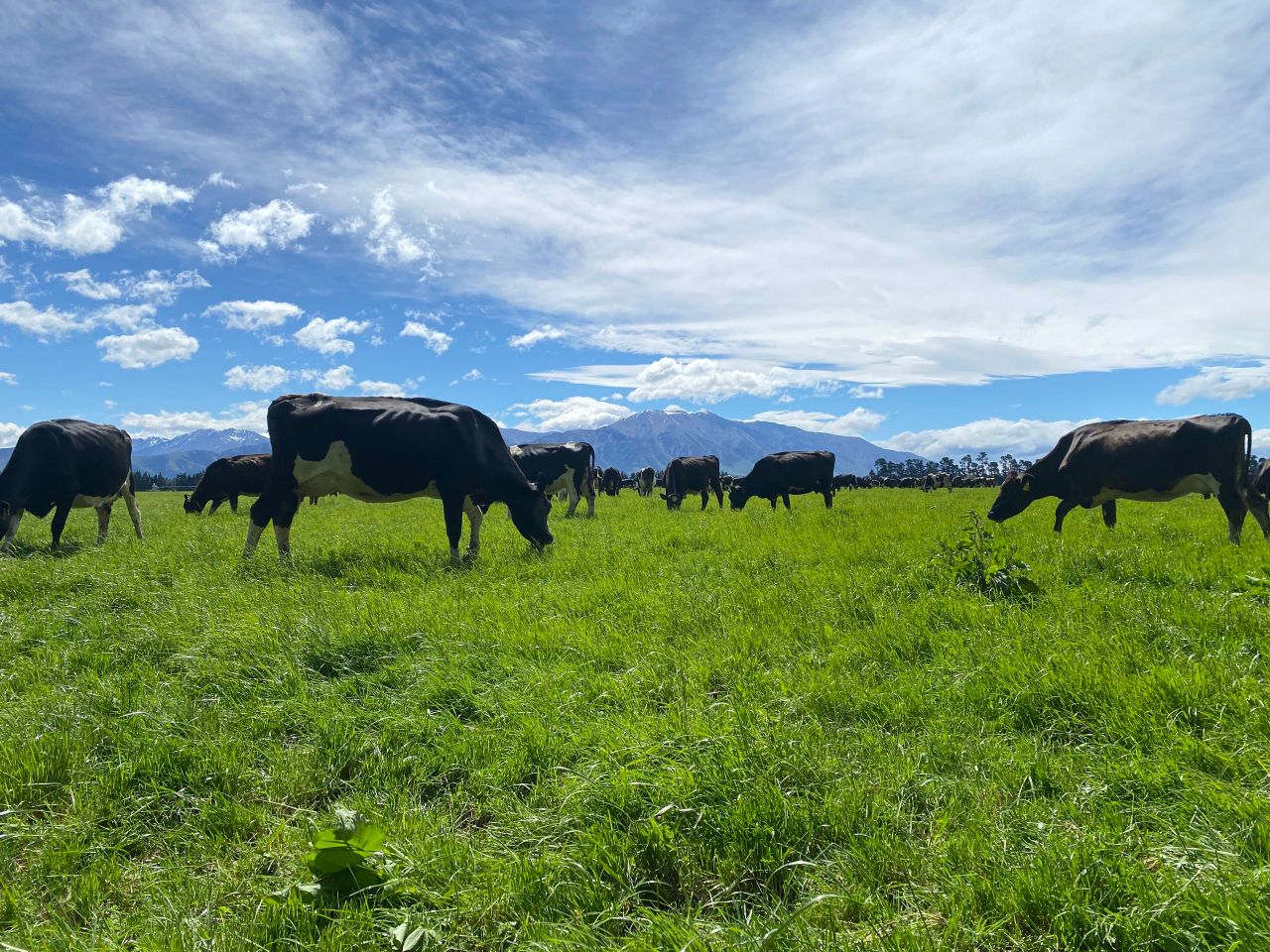
Keeping cows out on lush, high quality grass is the main driver of profitability.
Concentrates will always be needed, especially in the shoulders of the year, but that does not mean pick a rate and stick to it, the diet may have to be adjusted on a weekly basis in the shoulders or during droughts.
Something which can be quite useful here is tools such as feed to yield systems.
Another area of efficiency is the cow herself, which all falls back on genetics.
The benchmark in New Zealand, and what should be the benchmark here too, is 1kg of milk solids off of every kilo of liveweight.
You want a cow that can do that efficiently without needing high levels of feed.
At the end of the day, it boils down to optimising both the cow and the land.
This means regular grass walks, quick adaption to covers and soil fertility to optimise pasture, strategic feeding of concentrates, and a well put-together breeding programme.
Of course there are far more costs, many of which are out of a farmer's control, but getting the cow and the grass right will make the world of difference in farm profitability.