UK harvest 2027 forecast: Wheat area rises, spring barley down 11%

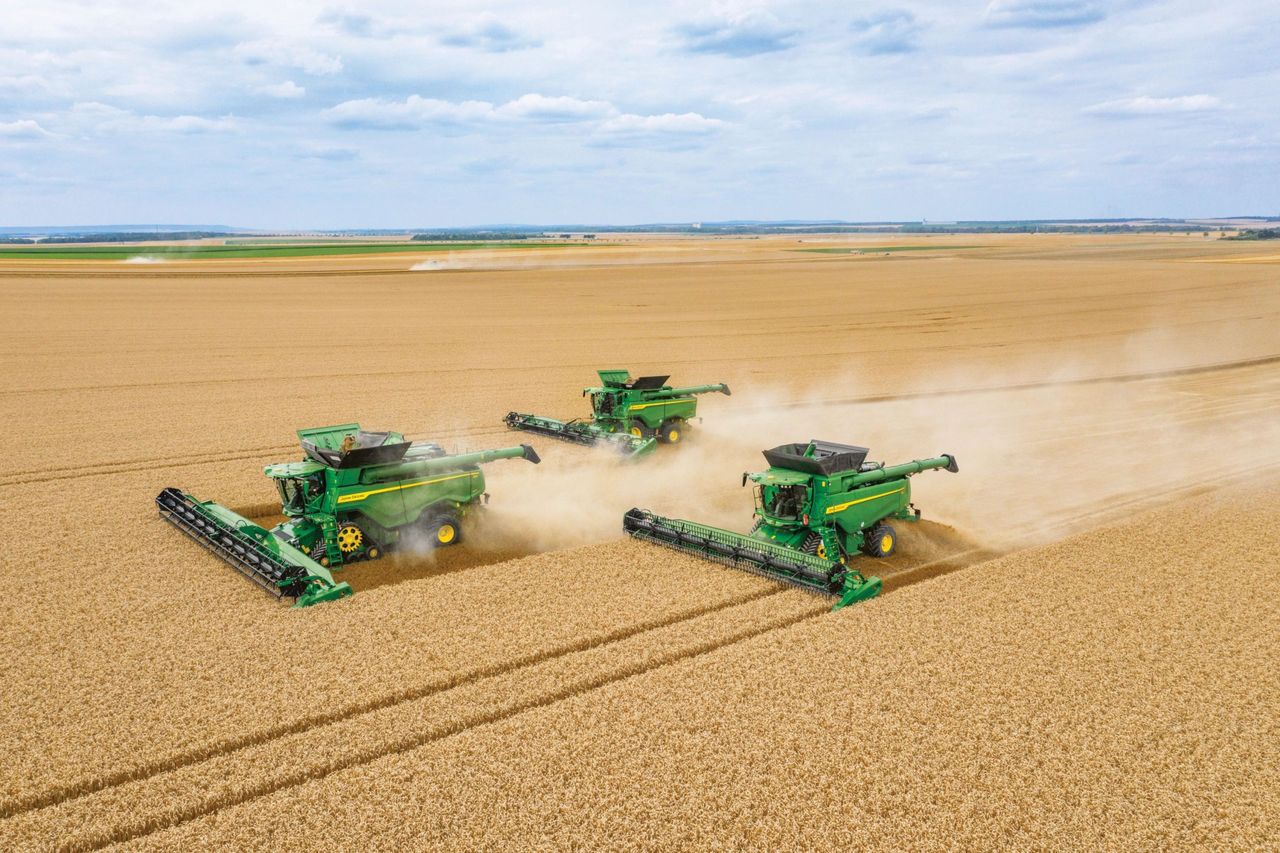
Harvest 2027 in the UK will see almost unchanged areas for winter cereals, a fall in spring barley and pulses and a rise in oilseed rape.
That's according to the Agricultural and Horticultural Development Board (AHDB) early bird planting survey for the UK 2026/2027 season.
Autumn drilling conditions in 2026 have generally been good, similar in fact to autumn 2025. This encouraged autumn cereal drilling in a similar manner to last year.
As a result, the AHDB projection of planting intentions shows a 1% rise in the UK wheat area, led by winter wheat, and only a slight decline in winter barley, down 1%.
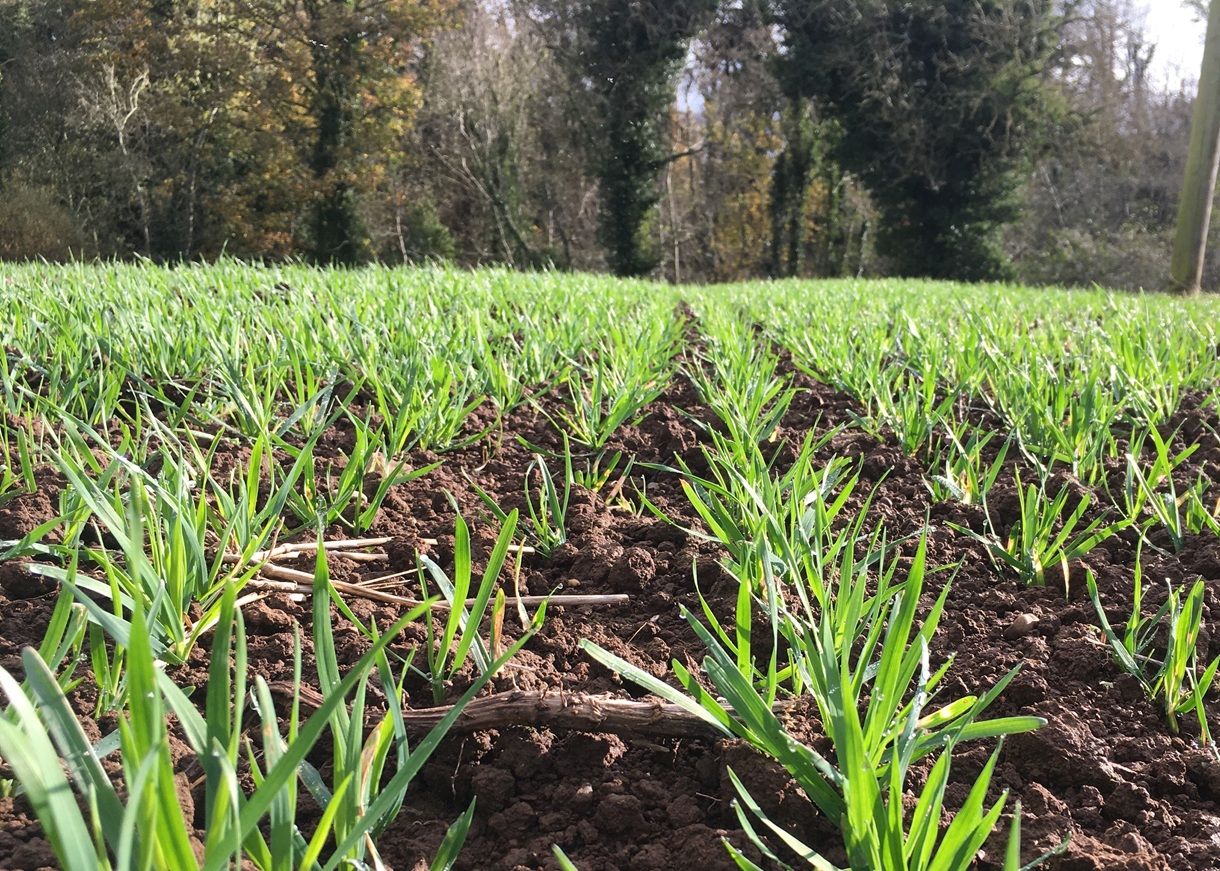
When applied to provisional 2026 area estimates, this suggests the 2027 wheat area at 1,664Kha, with winter barley at 366Kha.
In contrast, the UK's spring wheat and spring barley areas are expected to fall sharply.
Planting intentions for spring barley indicate a further 11% decline in 2027.
This follows two difficult years for spring crops in a row, while demand for barley from the malting, brewing and distilling sectors also remains pressured.
If plantings match these intentions, it suggests a national spring barley area of 531Kha, which would be the lowest since 2006's 494Kha.
The UK oat area is forecast down by 18% for harvest 2027, with spring oats accounting for around two-thirds of the national area.
The provisional forecast of 136Kha would be the lowest oat area since 2015.
Oilseed rape
Against this backdrop, oilseed rape appears to have benefited from a more favourable margin outlook compared to other crops, as well as the improved yields achieved in 2026.
The crop is estimated to see a further 28% increase in its area, to a provisional 415Kha, according to AHDB.
It was a good drilling season for winter oilseed rape, and some British growers are becoming more familiar with managing the damaging cabbage stem flea beetles.
This provisional area forecast for oilseed rape in the UK is the largest since 2019. Other oilseeds are also up from 2026, albeit by less.
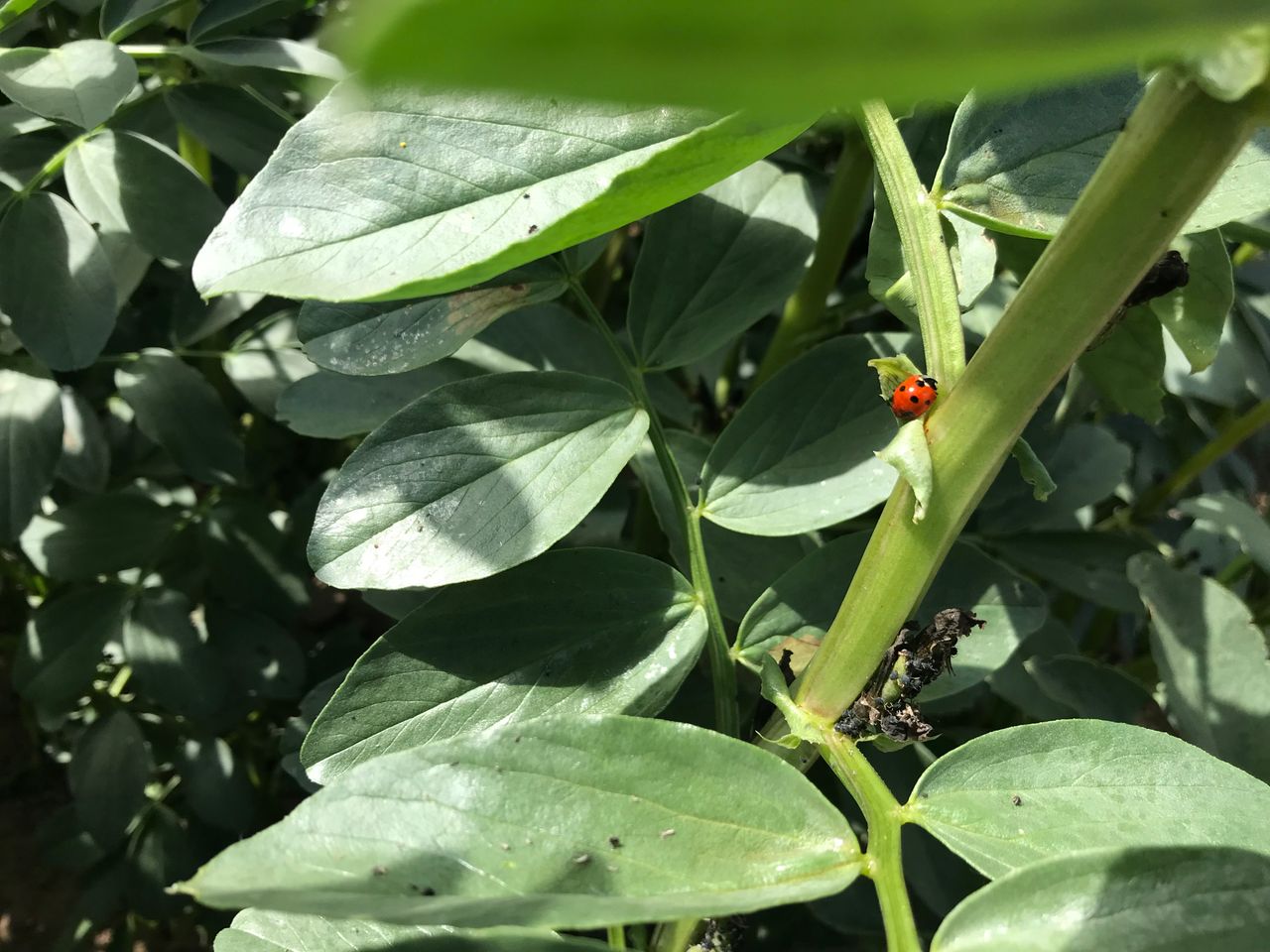
Meanwhile, it looks like pulses have lost out to oilseed rape again, with a 20% fall in area reported in the survey.
The gross margins compared to oilseeds and the yield variability for pulses seen in recent years likely contributed.
In addition, the survey points to a stable uncropped arable area in 2027. This is not unexpected as the UK's Sustainable Farming Incentive and other environmental schemes have not had extended budgets this year.
Projections for crop planting levels over recent weeks in Ireland are not yet available.
However, there is a working assumption that the areas dedicated to winter oilseed rape and hybrid rye continue to grow.