Is production a fair-trade off for a low-input system?

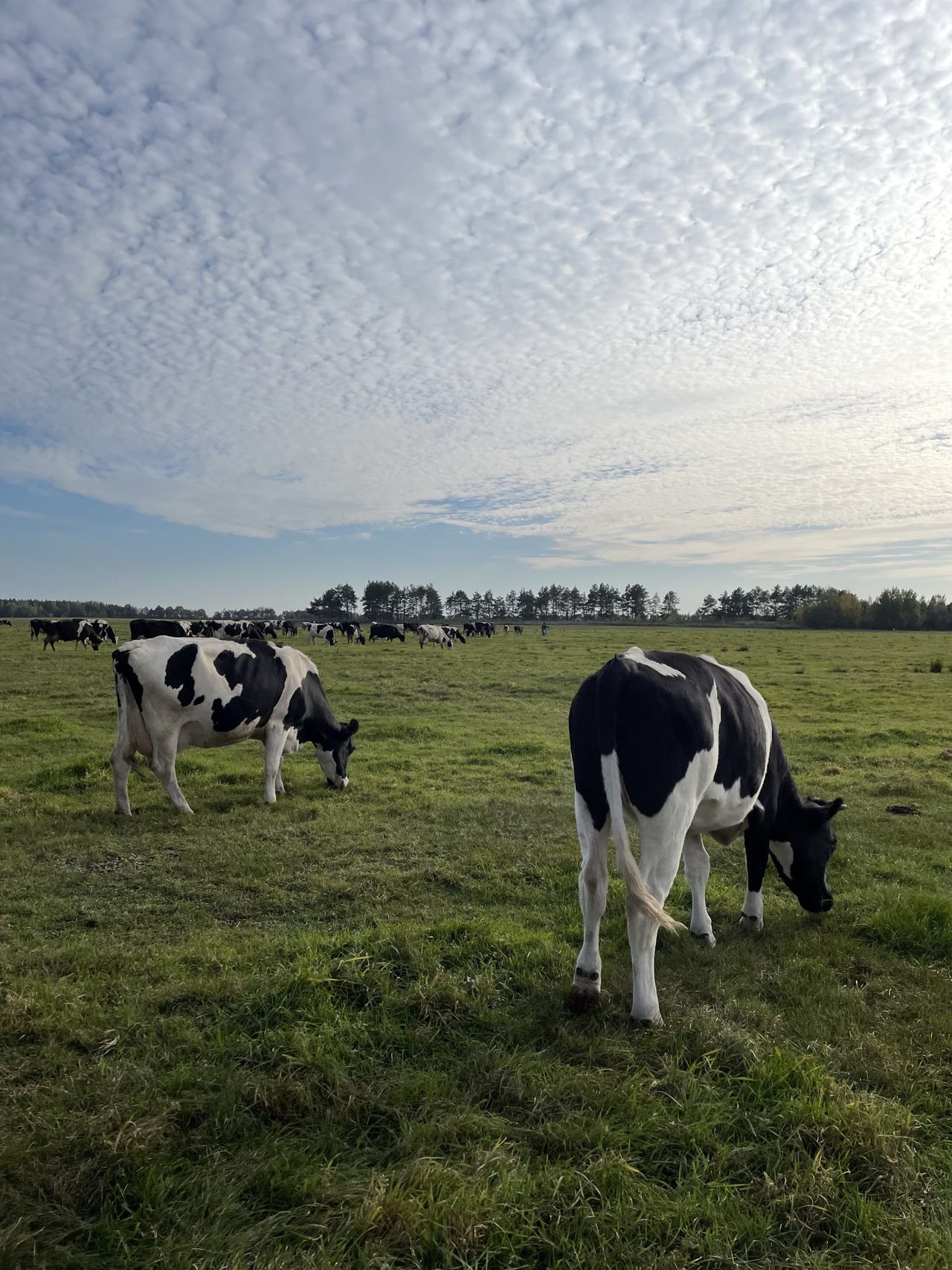
Farms are constantly evolving in an effort to be as efficient and as profitable as possible, while complying with advancing rules and regulations.
When EU milk quotas were abolished in 2015, herd numbers started to rise significantly which meant farmers had to become more efficient at grass production.
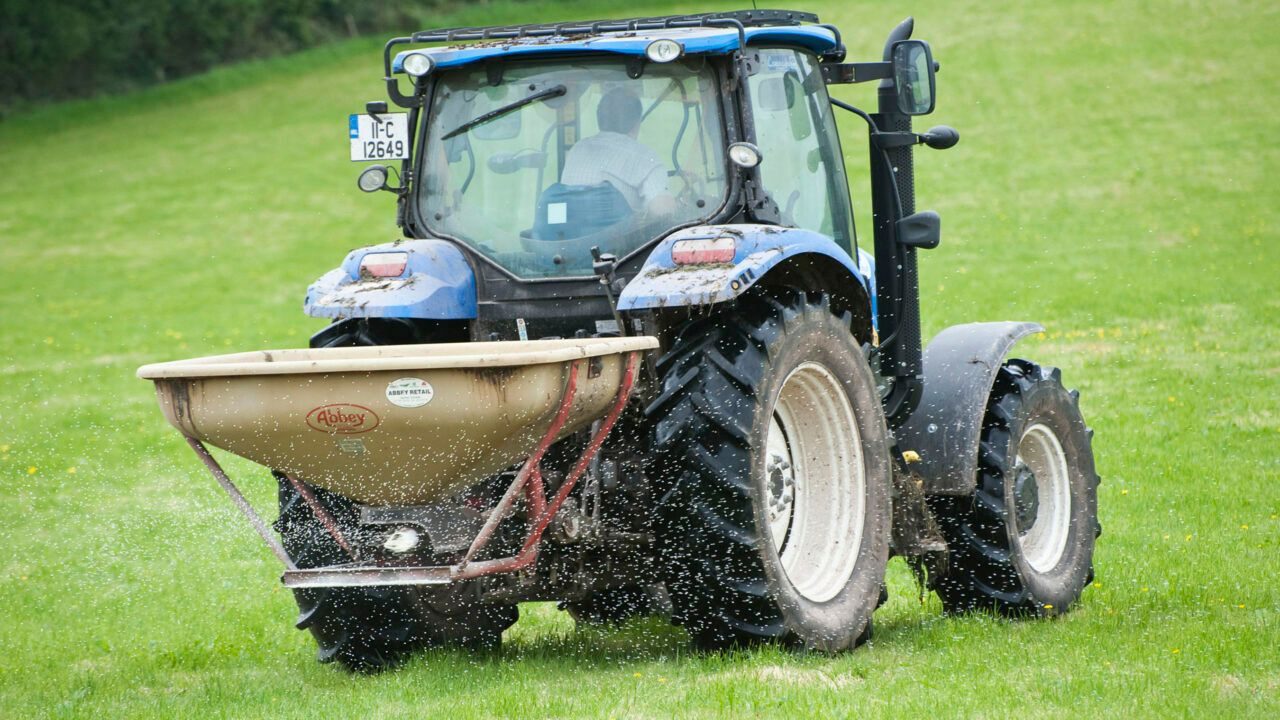
This led to an increasing amount of chemical nitrogen (N) being imported into the country, and spread on the land.
Just over a decade later, regulations have restricted N usage, while soaring prices over the past number of years have affected the desirability of chemical N.
Meanwhile, these factors are making low-input systems more desirable, but are these systems coming at the cost of production?
Low-input
Ongoing studies have been taking place to examine the effectiveness of low-input systems of farm profitability as well as emission levels.
One such study running on the Northland Agricultural Research Farm (NARF) in New Zealand is looking to understand how production and emissions are affected by low-input systems.
Three farm systems were set up for the study;
The first was a standard farm system stocked at three livestock units (LU)/ha on Kikuyu and ryegrass pastures with 190kg of N/ha applied annually.
The second system was an alternative pasture system, with cows once again stocked at 3 LU/ha, but this time on chicory, cocksfoot, and tall fescue pastures. This farm system also received 190kg of N/ha.
The third and final farm system was a low-input/low-emissions farm, with a stocking rate of 2.1-2.3 LU/ha and no N applications.
Results
According to the researchers, clover levels on the low-input system rapidly increased rapidly once nitrogen applications came to a halt.
However, removing nitrogen did result in reduced grass growth during the winter and spring months.
This farm system actually recorded an average of 2.9t of dry matter (DM)/ha/year less in grass yield.
On the flip side, the low input farm reduced methane by close to 25% and nitrous oxide by close to 50%, according to the researchers who used the Overseer model.
Finances
The standard farm system recorded the highest milk production in three of the last five years, while the alternative pasture system recorded the highest during the two wetter years.
According to the researchers, milk production on the low-input farm with zero nitrogen usage was between 20-39% lower than that of the standard farm system, with varying clover content having an impact on milk production.
This led to a profit difference of NZ$700 (€357), as the standard farm system brought in an average of NZ$3,300/ha, while the low input system made approximately NZ$2,675/ha with the average milk price paid over the five years sitting at NZ$9.04/kg/milk solids (MS).
The researchers said that milk price would essentially need to drop below $7/kg/MS (€3.58) for the low input system to be as profitable as the standard farm system.
However, they did note that, considering the low-input system's ability to reduce emissions, if alterations can be made that allow for reduced emissions while maintaining production, the system could be a viable option.